

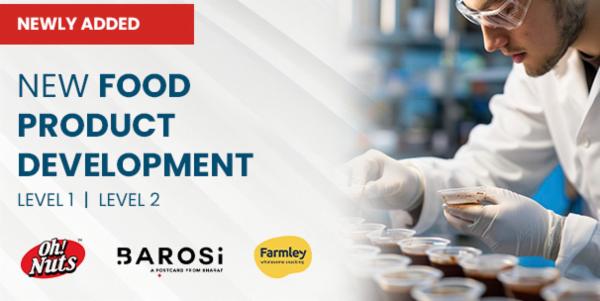
Food businesses change fast. New flavors, packaging innovations, and safe processing methods shape the market each year. This new food product development course introduces the basic path used in food companies to create new products. Learners study planning, testing, compliance, and market readiness through structured training and guided practice.
Introduction to New Food Product Development Course
Food companies work in a space where taste, safety, cost, and shelf life must come together. A structured learning path helps professionals understand how ideas move from concept to market shelves. This program explains the stages used in new product development in the food industry and prepares learners for practical work.
Key areas covered in the course include:
- Understanding how ideas for a new food product begin. Learners study consumer demand, ingredient possibilities, and product positioning. This stage often begins with a simple concept but moves through careful evaluation before testing begins.
- Each food formula needs balance. The course explains how ingredients affect taste, nutrition, texture, and shelf life. Students learn how small formulation changes affect product stability and quality.
- Product samples are developed during this stage. Learners observe how prototypes are prepared, evaluated, and improved through sensory trials and internal testing.
- Food products must follow regulatory norms and safety checks. The course explains documentation, labelling basics, and hygiene standards used in product development environments.
A learner also studies the new food product development process in a structured sequence. This includes idea screening, development trials, testing, packaging review, and market readiness. The learning environment supported by the Food Industry Capacity and Skill Initiative (FICSI) connects industry practices with training standards. By the end, learners understand how product development teams operate and how decisions are made during development stages.
Why Join Our New Food Product Development Course?
Food companies often look for people who understand how a product moves from concept to shelf. This structured program from FICSI explains practical steps used in the industry. The training environment focuses on applied learning and industry-aligned standards.
- This food product development course follows training standards used in the food processing sector. The curriculum connects practical work and theory. Learners observe how ideas are tested and refined before entering market conditions.
- Participants completing the program receive a food product development certification through recognised standards. This certification supports career movement in food processing companies, research units, and quality teams working with product design and evaluation.
- The course structure follows clear modules. Learners build knowledge step by step across product design, ingredient selection, testing stages, and documentation used in industry settings.
- Some learners wish to start their own food venture. The course introduces early steps of planning, testing, and improving products before entering the market.
Types of Courses Offered
Food product innovation requires training in different formats. Learners may choose programs based on experience level, career goals, or time availability. FICSI training programs address these varied needs within the food processing sector.
- Flexible food product development courses online allow learners to study from any location. Course modules include recorded lessons, structured material, and assignments that explain product development practices in a simple and gradual way.
- Some training programs focus on real production environments. Learners study case examples related to testing, pilot batches, and processing units to understand how development teams operate in the industry.
- Vocational training courses support students entering the food processing sector. These explain basic tasks related to testing, documentation, and handling processes used during product development stages.
- Certain programs introduce early business thinking. Learners study how to plan, test, and prepare food products before entering local or small-scale markets.
Course Curriculum / What You Will Learn
The curriculum follows the sequence used by many food product teams during development work. Each module explains a specific stage of product creation and evaluation.
- Learners study how product ideas are collected and reviewed before development begins. Teams consider demand, ingredient sourcing, and feasibility before selecting ideas for further testing and product trials.
- This section explains formulation basics, including ingredient interaction, texture balance, flavour stability, and nutritional aspects. Learners understand how small changes in ingredients affect the final product outcome.
- Students observe how early product samples are prepared. Prototype development includes repeated trials where products are adjusted and tested until they meet expected taste and quality levels.
- The course also explains quality checks and compliance basics. Learners understand labelling requirements, hygiene standards, and documentation followed by food companies during product development.
Course Highlights
FICSI training programs operate through a network of training partners and industry professionals. The course environment combines a structured curriculum, practical exposure, and recognised assessment systems.
- The curriculum follows national occupational standards developed for the food processing industry. These standards guide the training structure and ensure that learners study relevant topics used in real work environments.
- The course includes practical assignments and structured exercises. These activities help learners understand how product development stages function in actual production and testing conditions.
- The training ecosystem includes a network of centres and colleges. These provide industry-relevant training through experienced trainers and assessors connected with the food processing sector.
- The course also introduces career pathways and basic entrepreneurship understanding. Learners explore roles in product development teams and small-scale food business opportunities within the industry.
Who Can Enroll
People from different backgrounds can join this learning path. Anyone curious about how a new food product moves from kitchen idea to market shelf may take part. The course welcomes fresh learners and also working staff from food units today.
- Many college students studying science, nutrition, agriculture, or hospitality often feel curious about product creation. This module explains the stages of new product development in the food industry, helping learners connect theory with small practical kitchen trials.
- Small food business owners often carry recipe ideas but lack structured planning. The food product development course helps them understand costing, shelf life checks, packaging basics, and small market trials before large-scale production.
- Employees in bakeries, dairy units, snack factories, or catering kitchens handle production work daily. A food innovation course gives them a broader understanding of recipe trials, texture balance, and consumer testing methods used by development teams.
- Teachers and trainers from vocational institutes also join this program. It helps them understand structured documentation, testing methods, and evaluation systems. Many later guide learners toward food product development certification aligned with industry standards.
Course Duration & Eligibility
This learning program runs for a short, structured period designed for working learners and students. The modules are delivered through guided lessons and practice tasks. Many learners choose food product development courses online because they can study while managing work.
- The course usually runs for a few weeks with guided sessions and assignments. Each topic moves step by step, allowing learners to practice in kitchens or labs while understanding product development stages without feeling rushed.
- Applicants usually need a basic school education from any stream. The program uses simple explanations, so advanced technical knowledge is not required. Interest in food science and patience during trials matter more than academic background.
- Learners practice stages of the new food product development process, such as idea screening, small batch trials, ingredient adjustment, and shelf testing. This practical approach helps connect theory with real work situations.
- Assignments, small tests, and product trials are part of the evaluation. Trainers review learner progress through submitted work. After completing all modules, participants move toward the final assessment and course completion stage.
Qualification Required
To join the new food product development course, applicants usually need a basic school education and an interest in food processing. Technical degrees are helpful but not mandatory. The program values curiosity, patience during experiments, and willingness to follow hygiene rules.
- Students who completed higher secondary education from recognised boards can apply. Subjects like biology or home science help understanding, but they are not compulsory for joining this training program.
- Graduates from science or commerce backgrounds also find this course useful. It combines simple theory, practical work, and testing methods, helping learners connect academic knowledge with real food manufacturing practices.
- Family business members involved in food production often join to improve their process. They learn documentation, batch testing, and packaging basics before expanding product lines into new markets.
- Learners with an interest in experimenting with ingredients and recipes also benefit. With guidance, they can turn small kitchen ideas into structured product concepts ready for testing and small-scale production stages.
Advantages of New Food Product Development Course
This program introduces systematic thinking for product creation inside food businesses. Learners study planning, testing, packaging, and market checks. The course structure connects kitchen practice with industry expectations, making the learning path practical and realistic for young professionals and students.
- The curriculum follows industry skill standards. It explains raw material selection, quality checks, and shelf stability basics. Learners understand how products are developed in real manufacturing environments rather than only theoretical discussions.
- Learners perform recipe trials during training. Small batches are prepared, tested, and improved based on feedback. This helps build confidence in balancing taste, texture, and cost during product development work.
- Food safety is part of daily learning. Participants follow hygiene practices, safe handling methods, and contamination checks while preparing samples in training kitchens and lab environments.
- Completing assessments prepares learners for certification. This recognition supports job applications and also helps individuals who want to start small food businesses with better planning and structured product testing methods.
Certification & Career Opportunities
After finishing the training and assessments, participants receive certification issued through the FICSI skill framework, recognised by the national vocational system. The certificate reflects practical knowledge of product planning, safety discipline, and small batch trials. For many learners, it becomes a formal step toward stable work in the food processing field or toward building a personal food venture in future markets and organised companies as development assistants or kitchen supervisors.
Possible Career Paths:
- Product development assistant in food manufacturing units
- Quality testing or sensory evaluation support staff
- Recipe development associate in a bakery or snack company
- Pilot kitchen technician in research teams
- Small-scale food entrepreneur or packaged food seller
With industry-connected training centres and experienced trainers, the program prepares learners for real production environments. Many graduates move into entry-level development roles, while some start experimenting with their own packaged food ideas in local markets. The certification also supports career growth within the organised food processing sector.
Frequently Answer Question (FAQ's)
Can I learn new food product development online?
Yes, you can surely learn this through our digital platforms. FICSI offers various modules that you can access from your home. These programs focus on the practical side of the industry. You will study how to create a new food product development strategy that works in the real market. Our online resources include videos and reading materials prepared by industry experts. It is a flexible way to gain skills while you manage your daily personal work or other studies.
Do I need prior food science knowledge to join?
You do not strictly need a deep background in science to start. We design our courses to help everyone understand the basics first. Of course, having some interest in how food is made helps a lot. We teach the fundamental rules of safety and processing from the ground up. This way, any student can slowly build their confidence. Our goal is to make sure you understand the core concepts without feeling overwhelmed by hard technical terms at the start.
Will I receive a certificate after completing the course?
Every student who finishes the training and passes the assessment gets a certificate. Since FICSI is a recognized awarding body under the government, this paper has real value. It proves you have the skills required by modern factories. You can show this to employers to prove your training in making a new food product for the public. Having a formal document from a national council helps you stand out when you apply for jobs in the big food sector.
Will this course help in starting a food business?
Starting a business requires a mix of technical skill and planning. Our curriculum covers the essential steps of manufacturing and quality control. You will learn about the standards that a small or medium-sized unit must follow. This knowledge is very helpful for entrepreneurs who want to launch their own brand. We focus on teaching you how to maintain quality so your business can grow. It gives you a solid foundation to handle the challenges of the food processing industry.
Is this course suitable for working professionals?
Working people find our programs quite helpful for their career growth. The lessons are structured to fit into busy schedules. If you are already in a factory, these modules help you learn newer methods and better standards. It is a good way to update your knowledge without leaving your current job. Many professionals use these certifications to move into higher roles. The training stays relevant to what is actually happening in the food industry today across the whole country.
Can beginners join the new food product development course?
Beginners are very welcome to join our skill programs. We believe that everyone should have a chance to enter this growing field. The lessons start with simple ideas and slowly move to more complex topics. You will learn about hygiene, packaging, and how to follow industry rules. It is a great starting point for young students or people looking to change their career path. We provide all the basic support you need to feel comfortable during your learning journey.
Our Courses
 Price: ₹299
Craft Baker (FIC/Q5002) NSQF Level 4
Enroll Now Price: ₹299
Jam, Jelly and Ketchup Processing Technician
Enroll Now Price: ₹299
Food Safety Supervisor - Retail and Distribution Advanced Level II
Enroll Now Price: ₹299
Pickle Making Technician
Enroll Now Price: ₹299
Cold Storage Technician
Enroll Now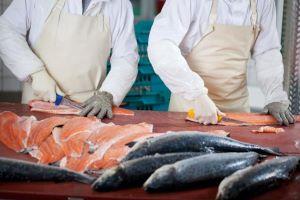 Price: ₹299
Fish and Sea Food Processing
Enroll Now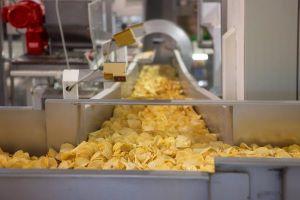 Price: ₹299
Traditional Snack and Savoury
Enroll Now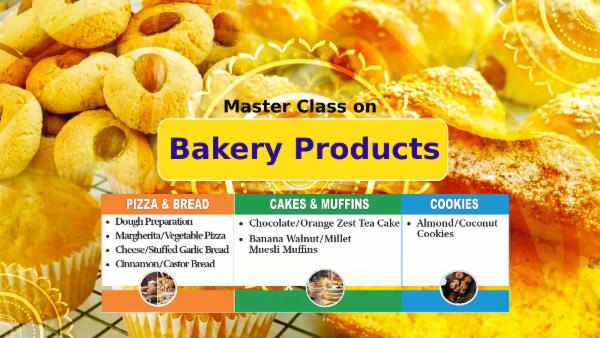 Price: ₹299
Master Class on Bakery Products
Enroll Now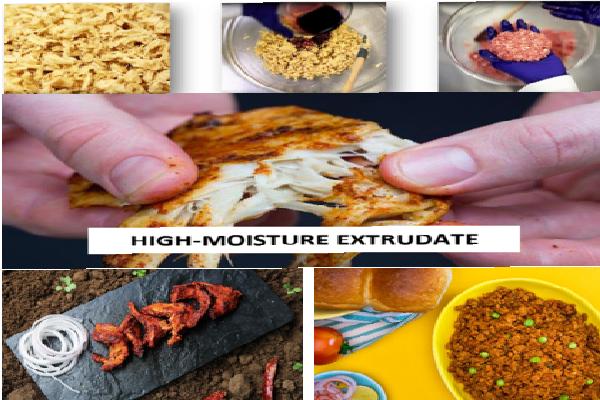 Price: ₹200
Rice Fortification
Enroll Now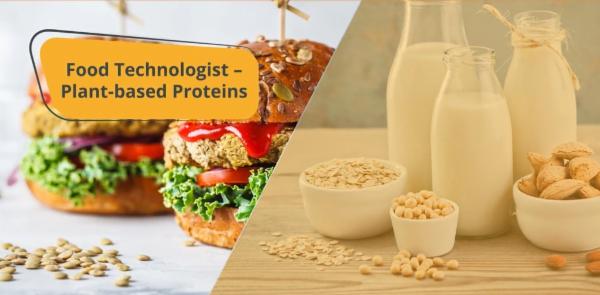 Price: ₹200
Plant Based Proteins
Enroll Now Price: ₹100
FoSTaC - Advance Manufacturing
Enroll Now Price: ₹100
FoSTaC - Advance Manufacturing Bakery Level 2
Enroll Now Price: ₹100
FoSTaC - Basic Manufacturing
Enroll Now Price: ₹299
FoSTaC - Basic Retail and Distribution Level I
Enroll Now
Price: ₹299
Craft Baker (FIC/Q5002) NSQF Level 4
Enroll Now
Price: ₹299
Jam, Jelly and Ketchup Processing Technician
Enroll Now
Price: ₹299
Food Safety Supervisor - Retail and Distribution Advanced Level II
Enroll Now
Price: ₹299
Pickle Making Technician
Enroll Now
Price: ₹299
Cold Storage Technician
Enroll Now
Price: ₹299
Fish and Sea Food Processing
Enroll Now
Price: ₹299
Traditional Snack and Savoury
Enroll Now
Price: ₹299
Master Class on Bakery Products
Enroll Now
Price: ₹200
Rice Fortification
Enroll Now
Price: ₹200
Plant Based Proteins
Enroll Now
Price: ₹100
FoSTaC - Advance Manufacturing
Enroll Now
Price: ₹100
FoSTaC - Advance Manufacturing Bakery Level 2
Enroll Now
Price: ₹100
FoSTaC - Basic Manufacturing
Enroll Now
Price: ₹299
FoSTaC - Basic Retail and Distribution Level I
Enroll NowRelated Topics


- +91-9711260240
- helpdesk@flcsi.in
- Shriram Bharatiya Kala Kendra, 3rd floor, 1, Copernicus Marg, Mandi House, New Delhi, 110001