


Last Updated on November 11, 2025 by Admin
Table of Content
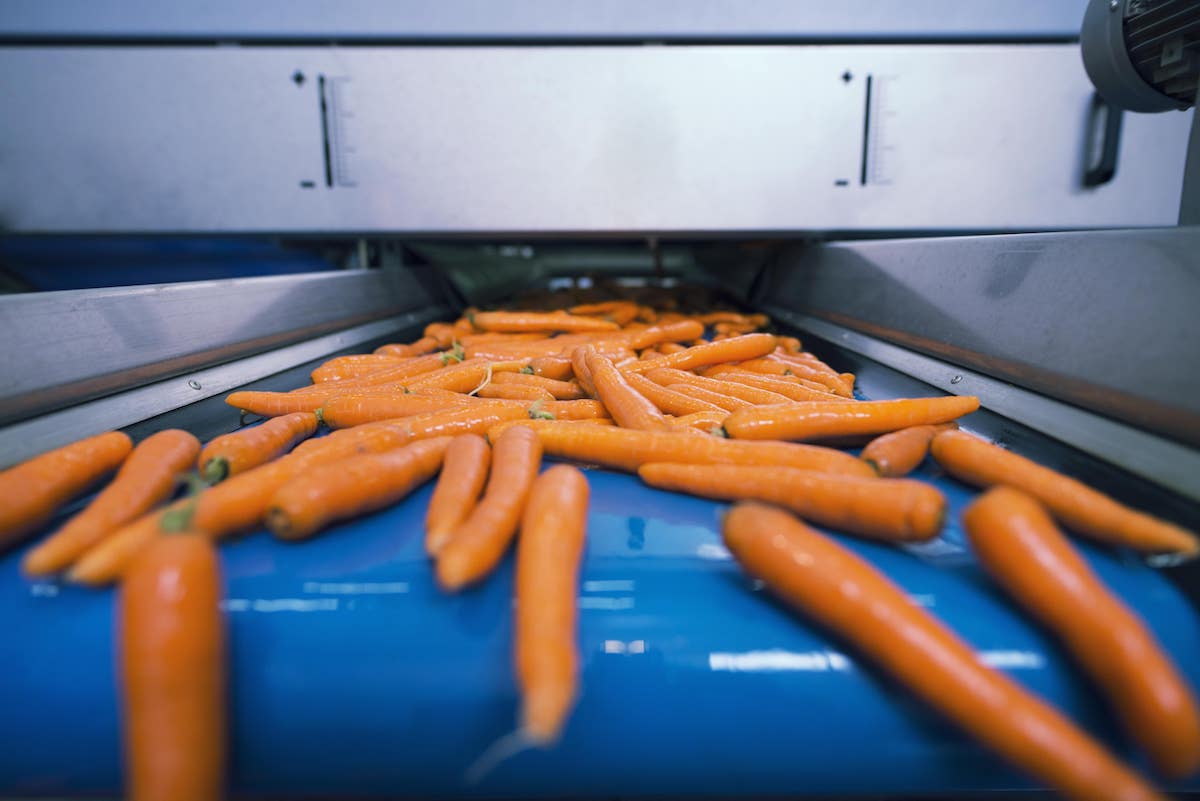
Most of the time, when people think about processed food, they think about unhealthy food – like ice cream or candy bars. But sometimes we forget that other kinds of foods are processed too. Food processing training is the set of methods and techniques used to transform raw ingredients into food or to transform food into other forms for consumption by humans or animals, either in the home or by the industry.
The process typically takes clean, harvested crops or butchered animal products and uses these to produce attractive, marketable, and often long shelf-life food products. Food processing training can be used for a number of reasons, including making it more edible and safer to eat, as well as preserving it so that it can be eaten even beyond the harvest season. By processing food, people are given a greater variety of things to choose from, so they don’t have to eat the same thing every day.
Useful Resources: Assessors Training Courses | Rpl Certification | Online Allergen Training
An Overview of The Global Food Processing Industry
The global food processing market is expected to grow in the coming years, driven by innovation and technology in food processing machinery and an upsurge in demand for processed food. The growing adoption of automation technologies in this segment and rising R&D activities in food processing machinery are also expected to boost the market in the coming years.
Additionally, increasing health consciousness and dietary shifts in developed regions are anticipated to drive the market during the forecasted period. That being said, learning this skill through a reputed food processing training center can open the doors for a lot of career opportunities for you. Here’s what’s in this training for you:
1. Plethora of Content
The course library has a variety of content to help energy workers develop their skills. Energy workers can find short, SME-vetted courses on topics such as maintenance, automation, electrical, pneumatics, hydraulics, and many other technical categories.
2. Compliance Management
Compliance management helps you manage your compliance training requirements so that they align with OSHA, ISO, and other regulatory mandates.
3. Easy To Understand
We’ve worked hard to minimize the amount of technical vocabulary, and we’ve designed the system so that you don’t have to worry about “figuring it out” or wrestling with an obtuse user interface. We want you to feel at home when you’re learning new skills through our Training System, and we’ll do everything we can to make sure that happens.
4. Progress Tracking
Access built-in reports seeing which employees have completed training, how well they performed, and what training courses they’re currently working on.
List of food safety courses for FICSI for industry to be incorporated
- FoSTaC Basic
- FoSTaC Advanced
- HACCP
- TACCP/VACCP
- Allergen Management
- Industry Induction Program
Final Words
Our MSME food processing training is specifically designed to meet the needs of people who don’t have an agricultural background and who want to learn about food processing process. If you’re looking for a career in the food industry, this may be one way to get your foot in the door.
Read Also – The Art of Food Processing and Preservation
Related Blogs

What Are Nutraceuticals Types, Applications, and Industry Growth in India
Last Updated on August 6, 2026 by Admin Table of...
Natural and Artificial Preservatives in Food: A Complete Guide
Last Updated on August 31, 2026 by Admin Table of...

Different Types of Sugar in Food and Their Effects on Health
Last Updated on August 6, 2026 by Admin Table of...

Food Colours Explained: Types, Uses, Natural vs Artificial & FSSAI Guidelines
Last Updated on July 7, 2026 by Admin Summary Food...

What Is Added Sugar in Food? Types, Examples & Recommended Limits
Last Updated on August 26, 2026 by Admin Summary Added...
What Is Freeze-drying? Process, Benefits, Applications & Food Industry Uses
Last Updated on July 7, 2026 by Admin Summary Freeze-drying...

Functional Meals: Definition, Professionals, and you may Spends
Last Updated on July 6, 2026 by Admin Articles The...
Why Prebiotic Foods Matter for Gut Health and Digestion
Last Updated on August 5, 2026 by Admin Table of...
Ready-to-Eat and Instant Foods Transforming Modern Food Consumption
Last Updated on August 26, 2026 by Admin Table of...
What Are Emulsifiers in Food? Types, Uses & Natural Examples
Last Updated on June 1, 2026 by Admin Table of...