


Last Updated on September 21, 2026 by Admin
Table of Contents
- What is Food Processing?
- Why is Food Processing Important?
- Food Processing Examples
- Types of Food Processing
- How Food Processing Works
- Common Food Processing Methods
- Food Safety Standards in Food Processing
- Modern Food Processing Technologies
- Challenges in Food Processing Industry
- Career Opportunities in Food Processing
- Conclusion
- Frequently Asked Questions
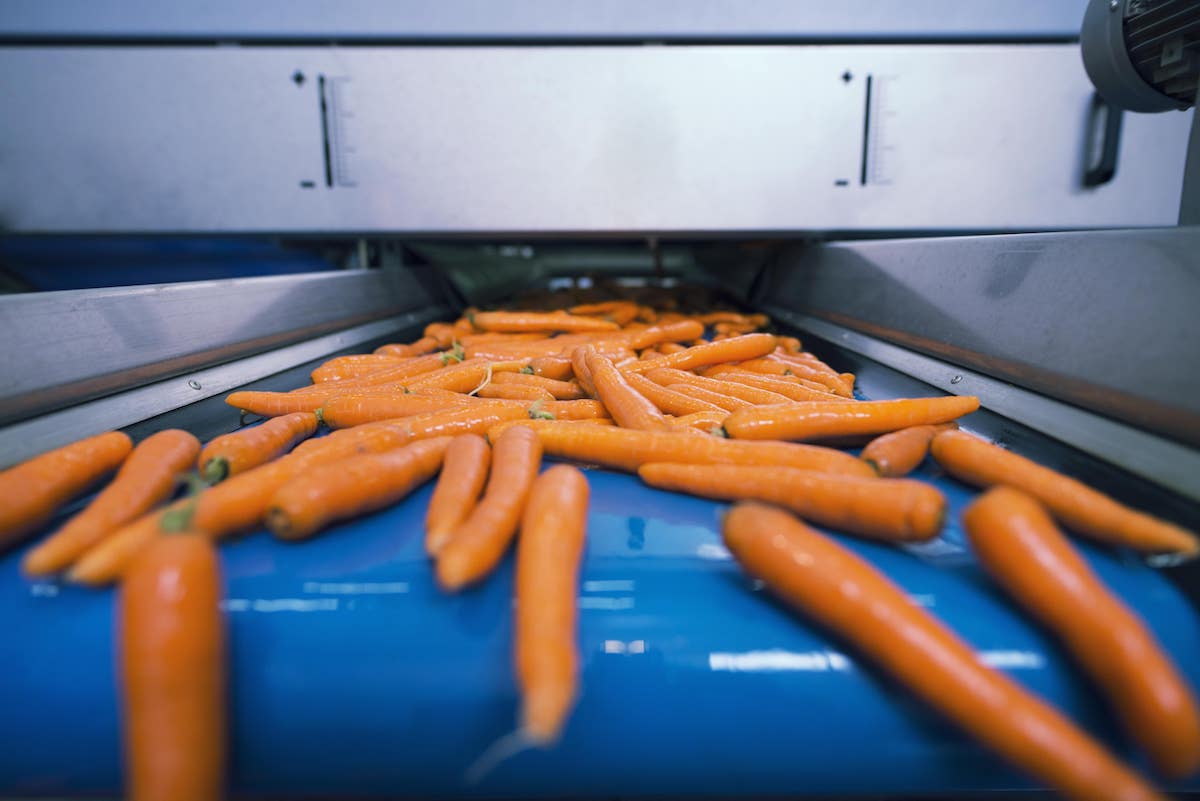
Food processing turns raw ingredients into safe, usable, and longer-lasting products through controlled steps. The food processing industry uses food processing methods and food processing techniques such as drying, freezing, milling, canning, and pasteurization. Modern food processing technology supports automation, safety, quality, and efficient production. Understanding the types of food processing helps learners and workers build relevant skills. For people planning careers in food processing, knowledge of safety, preservation, and production practices is essential for working safely in the sector.
Useful Resources: Assessors Training Courses | Rpl Certification | Online Allergen Training
What is Food Processing?
Food processing is the controlled treatment of raw agricultural or animal-based ingredients to make them safe, suitable, convenient, and suitable for storage or consumption. It may include cleaning, cutting, heating, cooling, drying, fermenting, milling, or packaging. The food processing industry applies these steps at different scales, from basic preparation to large-scale manufacturing. Proper processing can improve food quality, reduce contamination risks, extend shelf life, and make products easier to transport and use while helping producers maintain consistent standards efficiently.
Why is Food Processing Important?
Food processing plays an important role in turning raw ingredients into safe, stable, and convenient food products. It supports food availability by reducing spoilage and extending storage periods. Good processing practices also help maintain product consistency, protect quality, and support efficient distribution. In this sector, trained workers follow controlled procedures for hygiene, temperature, packaging, and storage. Understanding these areas is useful for learners preparing for work across food production, safety, quality, operations, and related roles.
- Food safety: Controlled processing reduces contamination risks and supports hygienic handling throughout production and storage.
- Shelf life: Preservation methods slow spoilage and help foods remain suitable for consumption for longer periods.
- Nutrition: Suitable processing can preserve important nutrients while improving the safety and usability of foods.
- Quality: Standardized processing helps maintain consistent taste, texture, appearance, and product quality.
- Convenience: Processed foods can be easier to store, transport, prepare, and use in daily life.
Food Processing Examples
Food processing can be seen in everyday products, from dairy and grains to fruits and meat. Simple operations can change raw materials into safer, more useful, and longer-lasting foods. These examples show how different food processing techniques are selected according to the ingredient, desired product, storage needs, and safety requirements. Understanding these examples also helps learners see how raw materials move through practical production steps before becoming products ready for storage, distribution, cooking, or consumption.
- Milk → Pasteurization: Milk is heated to a controlled temperature and then cooled quickly to reduce harmful microorganisms while maintaining its quality.
- Fruits → Canning: Fruits are prepared, packed in suitable containers, and heat-processed to reduce spoilage and support longer storage.
- Wheat → Flour: Wheat grains are cleaned and milled into flour, which can then be used to prepare bread, bakery products, and other foods.
- Rice → Milling: Rice grains are cleaned, husked, and milled to remove outer layers and produce edible rice suitable for cooking and consumption.
- Meat → Freezing: Meat is cooled to low temperatures to slow microbial growth and preserve quality during storage and distribution.
Types of Food Processing
The types of food processing vary according to the ingredient, purpose, and level of treatment. Common food processing methods range from basic handling to preservation and manufacturing. Selecting suitable food processing techniques helps control safety, quality, storage, and product characteristics while supporting consistent production.
- Primary Processing: This includes cleaning, sorting, grading, peeling, milling, and similar steps that prepare raw materials for further processing or direct use.
- Secondary Processing: This changes prepared ingredients into food products through cooking, mixing, baking, fermentation, or other controlled production steps.
- Tertiary Processing: This focuses on ready-to-use or ready-to-eat products and may involve advanced preparation, packaging, preservation, and convenience-focused operations.
How Food Processing Works
Food processing follows a planned sequence designed to turn raw materials into safe and suitable food products. The exact steps depend on the ingredient, product, equipment, and required storage life. Common stages include:
- Receiving and inspection: Raw materials are received and checked for quality, freshness, damage, and basic safety requirements.
- Cleaning and preparation: Ingredients are cleaned, sorted, trimmed, peeled, cut, or prepared according to the product.
- Processing: Suitable heating, cooling, drying, milling, fermentation, or other treatments are applied to achieve the required characteristics.
- Quality and safety checks: Temperature, hygiene, composition, packaging, and other important controls are monitored during production.
- Preservation: The product may be frozen, dried, canned, pasteurized, or treated using another suitable preservation method.
- Packaging: Processed food is packed in suitable materials to protect it from contamination, moisture, air, and physical damage.
- Storage and distribution: Finished products are stored under suitable conditions and transported to maintain their safety and quality.
Common Food Processing Methods
Food processing methods are selected based on the type of food, desired shelf life, safety needs, and final product. Common processes include heat treatment, moisture removal, cooling, fermentation, packaging, and other controlled operations. The right method can reduce spoilage, control microorganisms, maintain quality, and make food easier to store and distribute. Food processing technology continues to improve these methods through better equipment, monitoring, and process control.
- Drying: Removes moisture from food, limiting microbial growth and helping products remain stable for longer storage.
- Freezing: Lowers food temperature to slow microbial activity and preserve quality, texture, and freshness.
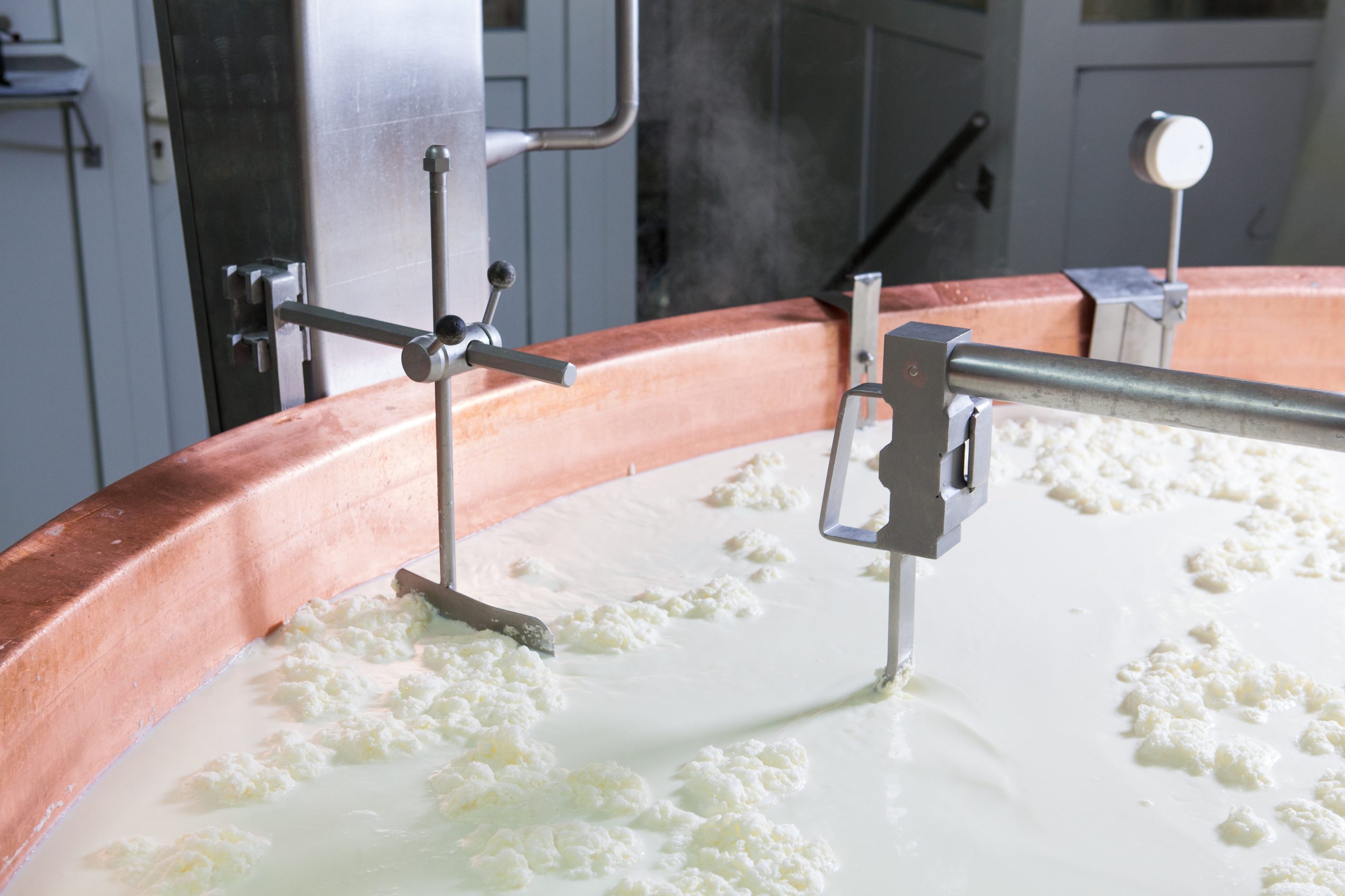
- Pasteurization: Uses controlled heat to reduce harmful microorganisms while maintaining important food qualities.
- Fermentation: Uses beneficial microorganisms to change food properties, improve preservation, and develop distinctive flavors.
- Canning: Seals food in suitable containers and applies heat to reduce microorganisms and support longer storage.
- Irradiation: Uses controlled ionizing radiation to reduce microorganisms, insects, and spoilage without making food radioactive.
Food Safety Standards in Food Processing
Compliance management helps you manage your compliance training requirements so that they align with OSHA, ISO, and other regulatory mandates
Effective compliance management in food production requires clear procedures, trained workers, monitoring, documentation, and regular checks. Food businesses can use HACCP principles to identify and control food safety hazards, while GMP supports hygienic production practices. FSSAI requirements provide an important regulatory framework for food businesses in India.
ISO 22000 offers a structured food safety management approach that can support consistent controls across operations. Together, these practices help organizations strengthen hygiene, manage risks, maintain records, and build safer processing systems. Training aligned with recognized food safety requirements also helps workers understand their responsibilities.
Modern Food Processing Technologies
Modern food processing technology is making production more efficient, controlled, and data-driven. Automation can handle repetitive tasks and improve process consistency, while AI can support monitoring, prediction, and quality decisions. IoT systems can connect equipment and collect production data in real time. Robotics can assist with handling, sorting, packing, and other repetitive operations. Smart manufacturing brings these tools together with connected systems, sensors, and process controls. For workers and learners, understanding these technologies is increasingly important as processing facilities adopt more digital systems. Practical training can help build the skills needed to work safely and effectively with modern equipment.
Challenges in Food Processing Industry
The food sector must manage several operational and workforce challenges while maintaining safety, quality, productivity, and compliance. The Challenges in the food processing industry can vary by product, facility, workforce, equipment, and supply conditions. Key areas include:
- Food safety and hygiene: Maintaining strict controls is essential to prevent contamination and protect consumers.
- Quality consistency: Differences in raw materials, processing conditions, and handling can affect product quality.
- Workforce skills: Employees need practical knowledge of hygiene, equipment, safety procedures, and processing practices.
- Technology adoption: New equipment and digital systems require suitable training, maintenance, and process understanding.
- Supply and storage: Temperature, transportation, raw material availability, and storage conditions can affect production.
- Compliance: Businesses need clear procedures, records, audits, and trained staff to meet applicable food safety requirements.
Relevant FICSI food safety training can include:
- FoSTaC Basic
- FoSTaC Advanced
- HACCP
- TACCP/VACCP
- Allergen Management
- Industry Induction Program
Career Opportunities in Food Processing
A career in the food industry can offer opportunities across production, quality, safety, operations, maintenance, and supervision. FICSI supports skill development through relevant training and certification pathways for people entering or progressing in the sector. Building knowledge of food safety systems, workplace practices, and processing operations can help learners prepare for different roles. These courses can also support professionals who want to strengthen their existing skills and take on greater responsibilities in food businesses.
- FoSTaC Basic: Builds foundational food safety knowledge for workers who are beginning their roles in food handling and production.
- FoSTaC Advanced: Supports deeper understanding of food safety responsibilities, controls, and workplace practices for experienced personnel.
- HACCP: Develops knowledge of identifying food safety hazards and applying preventive controls across processing operations.
- TACCP/VACCP: Helps learners understand food defense, food fraud risks, preventive measures, and related control practices.
- Allergen Management: Covers practical approaches for identifying, controlling, labeling, and preventing allergen-related risks in food operations.
- Industry Induction Program: Introduces new workers to workplace practices, food safety expectations, hygiene, and basic industry requirements.
Also read: How to Start a Food Processing Business in India
Conclusion
Food processing connects raw materials with safe, convenient, and market-ready food products through controlled production and preservation steps. From basic preparation to advanced manufacturing, suitable processing practices can support safety, quality, shelf life, and efficient distribution.
As technology develops, the sector also needs workers with updated technical and food safety skills. FICSI supports this need through industry-relevant skilling, certification, capacity building, placement, and entrepreneurship initiatives. Learning the fundamentals of processing can help students, workers, and professionals prepare for opportunities across the food sector.
Frequently Asked Questions
Related Blogs

Food Microbiology: Types, Importance and Applications in Food Safety
Last Updated on October 14, 2026 by Admin Table of...
Pasteurisation Explained: Process, Types, Temperature, Benefits & Applications
Last Updated on October 14, 2026 by Admin Table of...

Shelf Life Meaning: What It Is, Why It Matters & How It Differs from Expiry Date
Last Updated on October 14, 2026 by Admin Table of...
What Is Condensed Milk? Ingredients, Types, Uses & Benefits
Last Updated on September 28, 2026 by Admin Table of...

What Is Maltodextrin? Uses, Benefits, Side Effects & More
Last Updated on September 25, 2026 by Admin Table of...

What Is Food Chemistry? Meaning, Principles, Basics & Importance
Last Updated on September 25, 2026 by Admin Table of...

What Are Nutraceuticals Types, Applications, and Industry Growth in India
Last Updated on September 21, 2026 by Admin Table of...
Natural and Artificial Preservatives in Food: A Complete Guide
Last Updated on August 31, 2026 by Admin Table of...

Different Types of Sugar in Food and Their Effects on Health
Last Updated on August 6, 2026 by Admin Table of...

Food Colours Explained: Types, Uses, Natural vs Artificial & FSSAI Guidelines
Last Updated on July 7, 2026 by Admin Summary Food...