


Last Updated on September 25, 2026 by Admin
Table of Contents
- Overview Summary
- Key Takeaways
- Introduction
- What Is Maltodextrin?
- How Maltodextrin Is Made
- Different Types of Maltodextrin
- Different Grades Based on Processing
- Maltodextrin Uses in Food Processing
- Maltodextrin in Spray Drying
- Maltodextrin Benefits
- Maltodextrin: Is It Good for Health?
- Maltodextrin: Is It Safe?
- Maltodextrin Side Effects
- Food With Maltodextrin
- Why Do Food Manufacturers Use Maltodextrin?
- Maltodextrin and Food Quality Management
- Role of FICSI in Developing Food Industry Skills
- Maltodextrin in Food Product Development
- Maltodextrin vs Other Carbohydrate Ingredients
- Factors to Consider Before Consuming Maltodextrin-Containing Foods
- Conclusion
- FAQs
Overview Summary
Maltodextrin is a carbohydrate-based ingredient made by partially breaking down starch from sources such as corn, rice, wheat, or potatoes. It is widely used in food processing for its solubility, neutral taste, bulking, texture, stabilising, and powder-forming properties. While generally safe when used appropriately, its rapid digestion can affect blood glucose levels, making portion size and individual dietary needs important considerations.
Key Takeaways
- Maltodextrin is produced by breaking starch into shorter glucose chains.
- It is commonly made from corn, rice, wheat, or potato starch.
- Maltodextrin uses include bulking, texture improvement, ingredient carrying, stabilisation, and powdered food production.
- Maltodextrin in spray drying helps convert liquid ingredients into stable, easy-to-handle powders.
- There are different types of maltodextrin, depending on the starch source and degree of hydrolysis.
- Maltodextrin benefits are primarily related to food formulation and processing rather than nutritional value.
- For most people, maltodextrin is generally considered safe when consumed as part of appropriately formulated foods.
- Possible maltodextrin side effects may include digestive discomfort or rapid blood glucose increases, particularly with higher intake.
- Food with maltodextrin includes snacks, powdered beverages, sauces, desserts, sports nutrition products, and instant food preparations.
- Proper food quality management ensures ingredient quality, processing control, safety, consistency, and traceability.
Introduction
Maltodextrin is a carbohydrate-based food ingredient commonly used to improve texture, consistency, stability, and processing characteristics. It is found in a wide range of packaged foods, beverages, sauces, desserts, sports nutrition products, and processed food formulations. Although it may appear unfamiliar on an ingredient label, maltodextrin has been used in food manufacturing for many years.
Understanding what is maltodextrin, how it is produced, and why manufacturers use it can help consumers make better-informed food choices. Its effects also depend on the quantity consumed, the overall nutritional profile of the food, and an individual’s dietary needs. This article explores maltodextrin uses, benefits, possible side effects, safety considerations, different types, and its role in food processing.
What Is Maltodextrin?
Maltodextrin is a carbohydrate produced by breaking down starch into shorter chains of glucose molecules. It is usually manufactured from starch-rich sources such as corn, rice, wheat, or potatoes. The starch undergoes controlled processing, often involving enzymes or acids, which break larger starch molecules into smaller carbohydrate chains.
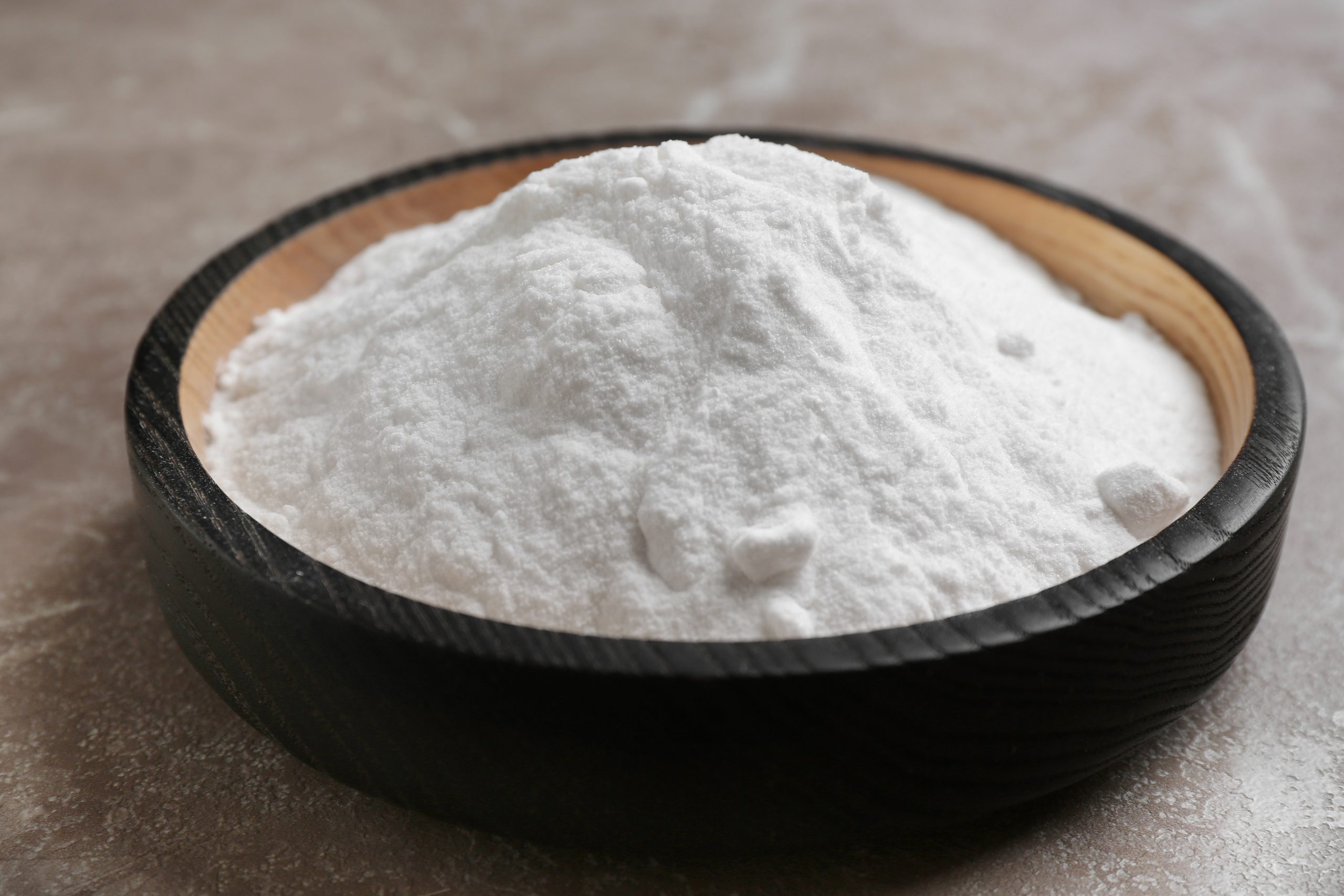
The resulting ingredient is generally a white or off-white powder with a relatively neutral flavour. It dissolves easily in water, making it useful in many food and beverage applications.
Maltodextrin has a high glycaemic response because the body can break its carbohydrate chains down relatively quickly into glucose. However, its nutritional and physiological effects should be considered in the context of the quantity consumed and the complete food product in which it is used.
How Maltodextrin Is Made
Understanding how maltodextrin is made begins with starch. Manufacturers generally follow several controlled stages:
1. Selection of the Starch Source
Starch may be obtained from corn, rice, potatoes, wheat, or other suitable agricultural sources. The choice depends on availability, desired product characteristics, processing requirements, and regional manufacturing practices.
2. Starch Preparation
The starch is separated and prepared for hydrolysis. This creates suitable conditions for breaking down the long starch molecules into shorter carbohydrate chains.
3. Hydrolysis
During hydrolysis, enzymes or acids break the starch into smaller molecules. The degree of hydrolysis influences the final properties of maltodextrin, including sweetness, solubility, and functionality.
4. Purification and Concentration
The resulting carbohydrate solution may be filtered and purified to remove unwanted materials. It is then concentrated under controlled processing conditions.
5. Drying
The concentrated solution is dried, often through spray drying, to produce the familiar powdered form of maltodextrin.
The manufacturing process is carefully controlled because the final ingredient needs to meet specifications for moisture, carbohydrate composition, solubility, colour, and other quality characteristics.
Different Types of Maltodextrin
There are different types of maltodextrin, and they can vary according to their source, degree of hydrolysis, and functional characteristics.
- Corn-Based Maltodextrin: Corn is one of the common sources of starch used for producing maltodextrin. Corn-derived maltodextrin is widely used in food and beverage formulations because of its neutral taste and easy dispersibility.
- Rice-Based Maltodextrin: Rice starch can also be processed into maltodextrin. It may be selected for particular formulation requirements or based on the manufacturer’s preferred raw material.
- Potato-Based Maltodextrin: Potato starch provides another possible source. Its functional characteristics can make it suitable for selected food-processing applications.
- Wheat-Based Maltodextrin: Wheat can also serve as a starch source. Individuals with specific allergies or dietary restrictions should check the product label and manufacturer’s information when the source matters.
Different Grades Based on Processing
Maltodextrin can also differ according to its degree of hydrolysis, commonly represented by dextrose equivalent (DE). Products with different DE values can have different levels of sweetness, solubility, hygroscopicity, and functionality. Manufacturers select the appropriate grade according to the intended application.
Maltodextrin Uses in Food Processing
There are numerous uses of maltodextrin because the ingredient can perform several technological functions.
- Texture Improvement: Maltodextrin can contribute to the desired texture and body of foods. It may help create a smoother or fuller mouthfeel in certain formulations.
- Bulking Agent: Because maltodextrin adds carbohydrate solids without contributing a strong flavour, it can act as a bulking ingredient. This is useful when manufacturers need to increase the volume or solid content of a formulation.
- Carrier for Flavours and Other Ingredients: Maltodextrin can help carry and distribute certain ingredients, including flavours, colours, and other powdered components. This makes it useful in dry food formulations.
- Stabilisation: It can contribute to the physical stability of some formulations by helping distribute ingredients more evenly.
- Instant Food Products: Maltodextrin is used in certain instant mixes and powdered products because of its ability to dissolve readily and contribute to desirable processing characteristics.
- Sports and Energy Products: Because maltodextrin provides readily available carbohydrate, it may be included in sports drinks, energy powders, and carbohydrate-focused nutrition products.
- Processed Foods: It can also occur in products such as snack foods, sauces, soups, desserts, confectionery, powdered beverages, and seasoning blends.
Maltodextrin in Spray Drying
One important industrial application is maltodextrin in spray drying. Spray drying converts a liquid or semi-liquid formulation into a dry powder by spraying it into a stream of heated air.
Maltodextrin can function as a carrier or encapsulating material in this process. It is particularly useful when manufacturers need to convert flavour compounds, fruit extracts, beverages, or other sensitive ingredients into stable powders.
The process generally involves:
1. Preparing the liquid formulation.
2. Mixing maltodextrin with the desired ingredient.
3. Feeding the mixture into a spray dryer.
4. Atomising the liquid into small droplets.
5. Removing moisture through controlled hot-air drying.
6. Collecting the resulting powder.
Maltodextrin can help improve powder formation, handling, dispersibility, and stability. In some applications, it can also help protect sensitive compounds from environmental factors.
The specific maltodextrin grade and concentration are selected according to the material being dried and the required characteristics of the final powder.
Maltodextrin Benefits
The maltodextrin benefits are mainly related to its functional properties in food formulation and processing rather than being associated with it as a standalone health food.
- Provides Carbohydrates: Maltodextrin is a source of carbohydrate and can provide readily available energy. This characteristic explains its use in certain sports and energy products.
- Improves Food Texture: It can contribute to body, mouthfeel, and consistency in appropriately formulated products.
- Supports Powder Production: Maltodextrin’s solubility and processing characteristics make it useful when liquid ingredients need to be converted into powders.
- Helps Carry Ingredients: It can act as a carrier for flavours and other food components, helping manufacturers incorporate them into powdered formulations.
- Neutral Flavour: Maltodextrin generally has a mild or neutral taste, allowing it to perform technological functions without strongly changing the flavour profile of a food.
- Useful in Food Formulation: Its versatility allows food technologists to use it in different types of formulations where controlled texture, solids, stability, or powder characteristics are required.
Maltodextrin: Is It Good for Health?
The question maltodextrin is good for health does not have a simple yes-or-no answer. Maltodextrin is primarily a functional carbohydrate ingredient rather than a nutrient-rich food.
In small quantities as part of a balanced diet, maltodextrin is generally not considered inherently harmful for most healthy individuals. However, it provides carbohydrates and can raise blood glucose relatively quickly. Therefore, the overall amount consumed and the nutritional quality of the food containing it are important.
For example, a food containing maltodextrin may also contain protein, fibre, vitamins, minerals, or other beneficial ingredients. Conversely, frequent consumption of highly processed foods containing added carbohydrates may contribute to an overall dietary pattern that is less nutritious.
People managing blood glucose or following specific dietary plans may need to pay closer attention to maltodextrin and other rapidly digestible carbohydrates.
Therefore, rather than considering maltodextrin as either a health-promoting or harmful ingredient, it is more appropriate to evaluate it based on the food, portion size, frequency of consumption, and individual dietary requirements.
Maltodextrin: Is It Safe?
The question maltodextrin is it safe is important because consumers may encounter the ingredient in many packaged products.
Maltodextrin is widely used as a food ingredient and is generally considered safe when used appropriately in food manufacturing. Regulatory authorities establish requirements for food ingredients and their permitted applications.
However, safety and suitability can differ between individuals. Someone with a specific food allergy, intolerance, metabolic condition, or medically prescribed diet may need to examine ingredient labels more carefully.
Another consideration is the source of the starch. For example, people who need to avoid specific grains may want to verify the raw material and manufacturing information provided by the product manufacturer.
As with any ingredient, consuming large amounts through frequent intake of highly processed foods may not be desirable simply because those foods may contribute substantial refined carbohydrates, sodium, sugar, or fat depending on the formulation.
Maltodextrin Side Effects
The maltodextrin side effects reported or discussed in relation to consumption can vary according to the amount consumed and individual sensitivity.
- Blood Glucose Changes: Because maltodextrin is rapidly digestible, it can cause a relatively quick rise in blood glucose. Individuals who need to manage blood sugar may therefore need to monitor their intake.
- Digestive Discomfort: Large quantities may cause digestive discomfort in some individuals. Symptoms can vary and may include bloating, gas, or changes in bowel habits.
- Dietary Quality Concerns: Maltodextrin itself is not necessarily the main concern when it occurs in a small amount. However, regularly consuming many highly processed foods containing maltodextrin may indicate a diet that relies heavily on refined ingredients.
- Individual Sensitivity: Some people may report sensitivity or digestive reactions to particular products containing maltodextrin. In such cases, it is important to consider the entire ingredient list rather than automatically attributing a reaction to maltodextrin.
Anyone experiencing persistent or severe symptoms after eating a particular food should discuss them with an appropriately qualified healthcare professional.
Food With Maltodextrin
There are many types of food with maltodextrin, particularly processed and powdered products. It is important to remember that the ingredient is not limited to one food category.
Common examples may include:
- Packaged snacks and savoury snack products
- Powdered beverages
- Sports and energy drinks
- Instant soups and sauces
- Seasoning and flavouring mixes
- Desserts and confectionery
- Some bakery products
- Processed dairy products
- Meal replacement and nutrition powders
- Certain processed meat products
- Instant food preparations
The actual presence and amount of maltodextrin depend on the product formulation. Checking the ingredient label is therefore the most reliable way to determine whether a packaged food contains it.
Why Do Food Manufacturers Use Maltodextrin?
Food manufacturers select ingredients based on functionality, processing performance, stability, cost, sensory characteristics, and consumer requirements.
Maltodextrin can provide several advantages from a formulation perspective. It is relatively easy to handle, dissolves readily, has a mild taste, and can contribute solids without introducing intense sweetness.
It can also help food technologists develop powdered products and improve the handling characteristics of certain formulations. In spray drying, for instance, its carrier properties can support the conversion of liquid ingredients into powders.
Therefore, the presence of maltodextrin on an ingredient label does not automatically indicate that the product is unhealthy or unsafe. Its purpose should be considered alongside the complete nutritional profile and intended function.
Maltodextrin and Food Quality Management
Effective food quality management is essential when ingredients such as maltodextrin are used in commercial food production. Manufacturers need to verify raw material quality, establish appropriate specifications, monitor processing conditions, control moisture, prevent contamination, and ensure that finished products meet defined quality and safety requirements. Proper documentation, sampling, testing, sanitation, storage, and traceability further support consistent production. Food professionals also need practical knowledge of ingredient functionality and processing controls to make informed decisions throughout the manufacturing process.
Role of FICSI in Developing Food Industry Skills
The Food Industry Capacity & Skill Initiative (FICSI) supports skill development for professionals and learners seeking careers in the food industry. Training in food processing, food safety, quality control, and related areas can help learners understand how ingredients are handled and how processing conditions influence food quality. For those interested in food manufacturing, developing practical knowledge alongside theoretical understanding can provide a stronger foundation for working with modern food-processing systems and quality requirements.
Maltodextrin in Food Product Development
Food product development involves much more than selecting ingredients based on taste. Food technologists need to consider how ingredients behave during mixing, heating, drying, storage, transportation, and consumption.
Maltodextrin can be useful in this process because its functional characteristics can be adapted to different formulations. For example, a powdered beverage may require an ingredient that supports powder formation and rapid dissolution, while a spray-dried flavour may require a suitable carrier material.
Product developers must also consider the ingredient’s impact on nutritional composition, labelling, sensory properties, stability, and consumer expectations.
This makes ingredient knowledge an important part of modern food science. Understanding why an ingredient is used allows manufacturers to select it appropriately rather than simply adding it to a formulation without considering its technological purpose.
Maltodextrin vs Other Carbohydrate Ingredients
Maltodextrin should not be confused with table sugar or starch, even though all are carbohydrate-related ingredients.
Starch consists mainly of long chains of glucose units. Maltodextrin is produced by partially breaking down starch into shorter chains. Table sugar, or sucrose, has a different chemical structure and provides a noticeably sweet taste.
Maltodextrin is generally used more for its functional properties, such as bulking, carrying, texture modification, and powder production, rather than primarily for sweetness.
The choice between different carbohydrate ingredients depends on the desired properties of the final product.
Factors to Consider Before Consuming Maltodextrin-Containing Foods
Consumers do not necessarily need to avoid every food containing maltodextrin. Instead, it is useful to consider several factors:
- Check the Overall Ingredient List: Look at the complete formulation rather than focusing on one ingredient. A food’s nutritional quality depends on all its components.
- Consider Portion Size: The amount consumed can influence the nutritional impact of any carbohydrate-containing ingredient.
- Look at Added Sugar and Fibre: Foods with high added sugar and low fibre may have a different nutritional profile from foods containing maltodextrin alongside protein, fibre, or nutrient-dense ingredients.
- Consider Individual Dietary Needs: People managing blood glucose or following medically recommended diets may need personalised guidance regarding rapidly digestible carbohydrates.
- Prefer a Balanced Dietary Pattern: A varied diet containing vegetables, fruits, whole grains, protein sources, and other nutrient-rich foods is generally more important than avoiding one individual food ingredient.
Read Also: Top 10 High Fibre Foods: Benefits, Sources & Daily Fibre Intake Guide
Conclusion
Maltodextrin is a versatile carbohydrate ingredient produced by partially breaking down starch from sources such as corn, rice, wheat, or potatoes. It is widely used because of its neutral taste, solubility, bulking ability, and useful processing characteristics.
Understanding maltodextrin uses, maltodextrin benefits, and potential maltodextrin side effects helps put the ingredient into perspective. It can support food formulation, powdered products, sports nutrition, and spray-drying applications, while its rapid digestibility means that people with specific dietary requirements may need to consider their intake.
Ultimately, whether a food containing maltodextrin is a suitable choice depends on the complete product, portion size, frequency of consumption, and individual nutritional needs. Knowledge of food ingredients and processing also helps food professionals make better decisions related to safety, quality, formulation, and product development.
FAQs
Related Blogs
What Is Condensed Milk? Ingredients, Types, Uses & Benefits
Last Updated on September 28, 2026 by Admin Table of...
What Is Maltodextrin? Uses, Benefits, Side Effects & More
Last Updated on September 25, 2026 by Admin Table of...

What Is Food Chemistry? Meaning, Principles, Basics & Importance
Last Updated on September 25, 2026 by Admin Table of...

What Are Nutraceuticals Types, Applications, and Industry Growth in India
Last Updated on September 21, 2026 by Admin Table of...
Natural and Artificial Preservatives in Food: A Complete Guide
Last Updated on August 31, 2026 by Admin Table of...

Different Types of Sugar in Food and Their Effects on Health
Last Updated on August 6, 2026 by Admin Table of...

Food Colours Explained: Types, Uses, Natural vs Artificial & FSSAI Guidelines
Last Updated on July 7, 2026 by Admin Summary Food...