


Last Updated on October 6, 2025 by Admin
Table of Content
India’s food processing industry is poised for excellent growth, and its contribution to the world food trade is steadily growing every year. The country’s food industry is expanding at a CAGR of 11%, and it is believed that the food processing industry will be worth over half a trillion dollars by 2025. The Government is taking all necessary steps to boost investments in this sector. This includes favourable economic policies and attractive fiscal incentives.
As the uninterrupted growth happens, it brings immense possibilities of far-reaching positive outcomes. One of them is employment opportunities. It is expected that the industry will generate a whopping 9 million jobs by 2024. There are several duties available to perform across many different roles. Most importantly, the Government is actively taking several initiatives and conducting effective programs to address the skill gap in the food processing sector. Read on as we talk more about the food processing industry and skill development.
Useful Resources: Taccp Vaccp | Courses In Food Processing | Haccp Implementation
Food processing and its promising industry
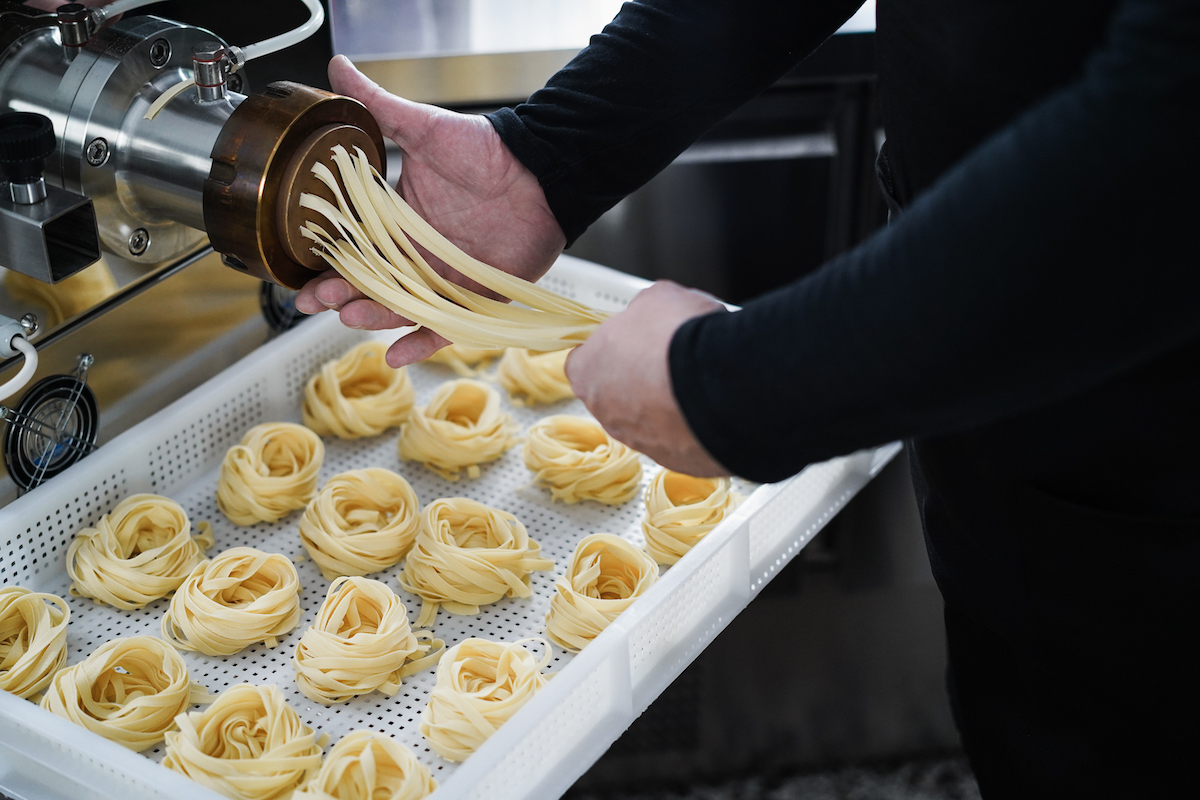
Generally speaking, food processing is the act of converting and transforming foods from one form to another, making them marketable and edible. Nearly all the food we eat goes through one or a few processing stages. Well-processed foods look attractive, fetch the better market value, and feature several benefits that may be unavailable in unprocessed foods. Food processing methods can vary depending on the need for processing, the type of foods, etc. Processed food can be canned, fermented, frozen, smoked, pickled, pasteurised, to name a few.
One of the core benefits of processed foods is that consumers can access various food products, reducing their dependence on in-season products. Processing ensures harvested foods are suitable for consumption; it also enhances the nutritional value of foods and helps retain nutrients. Ready to eat foods and drinks address the diverse edible requirements of today’s busy, on-the-go consumers .
The awareness around safe, diverse and nutritious foods is constantly growing. Consumers increasingly want to know the origin of their foods, the method of processing and storage and shelf life. They want to diversify their food choices geared to their needs. The growing awareness for processed foods, driven by the country’s immense capabilities in creating a safe ecosystem for processing food products, and the introduction of favourable schemes and initiatives are helping the industry grow. There are vast possibilities of skill development in this sector, and since the future of this sector looks promising, it should continue to generate noticeable employment opportunities.
Skill development and employment opportunities
The top sectors of the food processing industryfood processing industry in the country are grains, sugar, edible oils, beverages, and dairy products. Since the food processing industry encompasses several aspects and activities, there are many areas requiring specific skills and knowledge. Gathering and transportation of foods in their raw form, processing, packaging, refrigeration, canning, transportation, and more require adequate knowledge to handle the jobs efficiently. Food manufacturing companies, packaging companies, food instrument and machinery entities, wholesalers, research laboratories, etc., need an expert workforce and adequately trained and skilled individuals.
Skill development initiatives introduced by the Government aim to provide sector-specific skilled workforce in the industrial food processing. The schemes are thoughtfully-designed to address the skill gap in the food processing sector. Given the immense opportunities this industry holds, getting skilled in different areas is beneficial in many respects.
To learn more about skill development in food processing in India, short term courses in food processing, skill development program etc., please feel free to browse through the website.
References –
Related Blogs
Food Science and Technology: Concepts, Applications, and Industry Relevance
Last Updated on March 24, 2026 by Admin Scientific breakthroughs,...
What are Protective Foods? Definition, Examples & Protective Food Chart
Last Updated on February 20, 2026 by Admin Good health...

What are Fermented Foods? Types, Benefits & Examples Explained
Last Updated on February 27, 2026 by Admin Over the...

Food Fraud vs Food Defence: What’s the Difference?
Last Updated on March 2, 2026 by Admin Table of...

Functions of Food & Functional Foods: Definition, Examples and Benefits
Last Updated on February 10, 2026 by Admin Table of...

What Is Fortified Milk? Meaning, Benefits & Examples
Last Updated on February 20, 2026 by Admin Table of...

Salting Food Preservation: Role of Salt as a Natural Preservative
Last Updated on March 18, 2026 by Admin Table of...
Food Technology Course: Details, Fees & Career Options
Last Updated on March 24, 2026 by Admin Table of...

Allergen Management Guidelines for Food Manufacturers
Last Updated on March 24, 2026 by Admin Table of...