


Last Updated on September 25, 2026 by Admin
Table of Contents
We all tend to make mistakes in the kitchen regarding food safety ending up paying heavy medical bills. There are innumerable factors contributing to food poisoning and additional problems, some of which are categorised under safety.
Most of the dangerous food safety mistakes are unintentional because we do not have a clear idea of the food safety errors that are consequentially made. For example, you might not know, but there are dire consequences of mishandling microwaves and can also lead to food poisoning.
What precautions do your parents take to keep food stuff safe? Or do you know how to prepare food that can prevent food-related diseases? If you do not, this article is for you!
What Are Food Safety Mistakes?
Food Safety Mistakes happen when food is not handled, cooked, or stored correctly, allowing harmful bacteria to grow and spread quickly. These are some of the most common food safety mistakes made in kitchens every day, often without anyone realising the risk involved. Leaving cooked food out for hours, reusing the same board for raw and cooked meat, or skipping hand washing are simple examples that can cause illness.
Many people believe food safety only matters in restaurants or large commercial kitchens, but everyday home cooking carries the very same risks. Recognising these errors early helps protect your family from foodborne diseases and keeps every meal safe, tasty, and healthy for everyone at home.
Why Food Safety Is Important in Everyday Cooking
Practising good food hygiene practices every day protects your family from illnesses caused by contaminated or improperly cooked food. Cooking safely also brings several food safety benefits that go beyond simply avoiding sickness.
- Prevents foodborne illnesses like food poisoning and stomach infections
- Keeps nutrients intact by preparing and cooking food correctly
- Builds healthy, long-lasting habits in the kitchen routine
- Saves money by reducing food spoilage and unnecessary waste
- Gives peace of mind while feeding your family and loved ones
Simple daily habits make everyday cooking safer and healthier for everyone at home.
Unsafe Food Handling Practices That Can Make You Sick
Unsafe food handling practices are a leading cause of stomach infections and food poisoning at home. Using the same knife for raw meat and vegetables, leaving food uncovered, or storing items at the wrong temperature all threaten kitchen food safety. Practising safe food handling means washing hands often, separating raw and cooked food, and cooking every item thoroughly and fully before eating it. These small precautions reduce illness risk considerably and keep your kitchen a genuinely healthy, hygienic space for everyone.
Avoid Eating Raw Dough or Batter
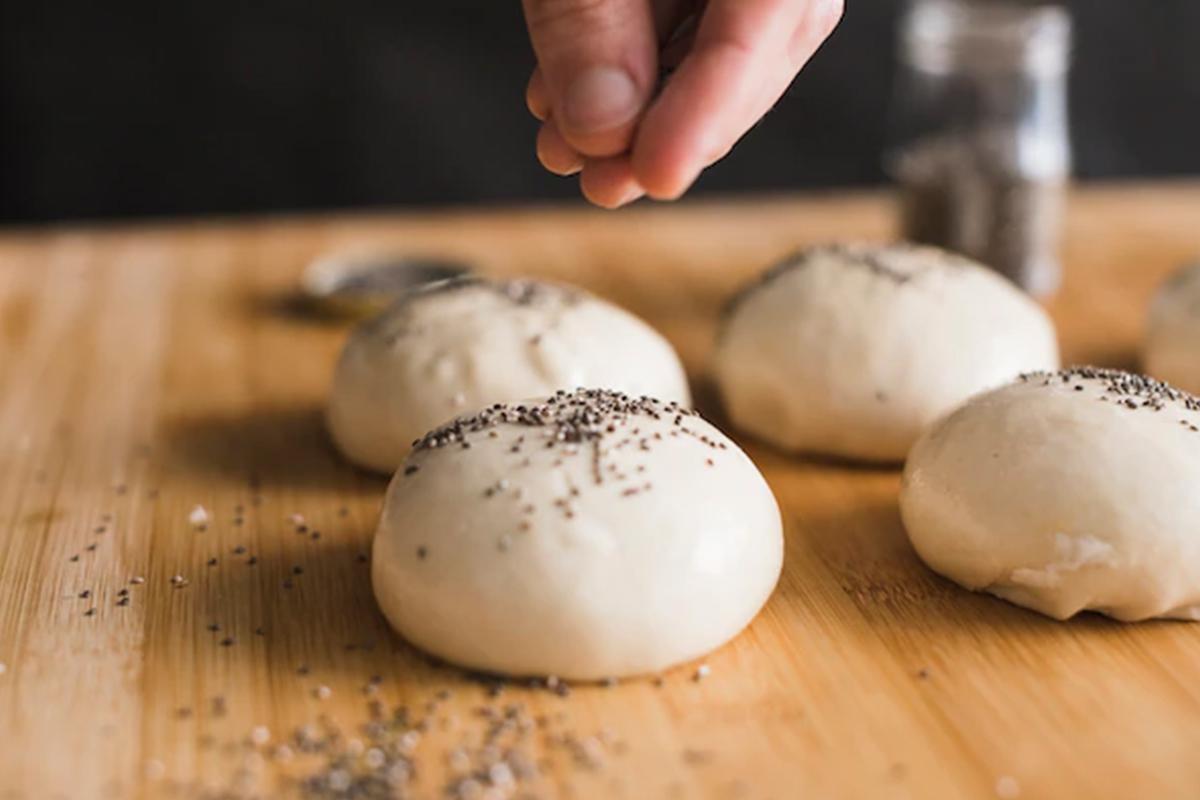
While preparing cookie or cake dough, we often add raw eggs and flour and taste it to check the salt and sugar. This is a mistake to avoid, as uncooked eggs and flour may carry harmful bacteria like Salmonella and E. coli. Always bake or cook eggs and flour thoroughly before tasting, and avoid foods with raw eggs, such as homemade mayonnaise, runny eggs, or eggnog. Children often enjoy playing with raw dough, so keep an eye on them. Wash your hands, utensils, and work surfaces thoroughly after handling raw eggs, flour, or dough to prevent germs from spreading further.
Cook Meat, Seafood, and Eggs Properly
Undercooking meat, seafood, eggs, and chicken is a common mistake that can leave harmful germs behind, leading to serious food poisoning and stomach infections. Avoid tasting these dishes until they are completely cooked through, no matter how tempting it feels. While preparing these items, use a food thermometer to check that they reach a safe internal temperature, since this varies for each food type. Following proper safe food handling steps while cooking protects your family from illness and ensures every meal is both delicious and genuinely safe to eat, every single time you cook.
Wash Fruits and Vegetables Before Cutting
Raw fruits and vegetables often carry germs, dirt, or traces of pesticides on their skin. Cutting or peeling them without washing first can easily push these agents inside the food. Always wash fruits and vegetables thoroughly under clean running water before peeling or cutting them. For firmer produce like cucumbers, melons, and avocados, scrub the surface gently with a clean vegetable brush. Avoid using bleach, detergents, soaps, or commercial produce washes, as these chemicals can seep into the food and cause other health issues. This simple step is essential for safe food preparation and healthy eating every single day.
Importance of Proper Hand Washing in Food Safety
Not washing hands properly before cooking, serving, or eating is one of the most overlooked errors in the kitchen. Germs on hands transfer easily to food, making it unsafe to eat. Many people do not know the correct method: use soap and rub hands for at least 20 seconds before rinsing under running water. Wash your hands before, during, and after preparing food, before serving meals, and after using the toilet. This is one of the simplest food hygiene practices you can follow. Regular and proper handwashing keeps disease-causing germs away and protects everyone who eats your cooking.
Do Not Thaw or Marinate Food at Room Temperature
Many people take out frozen meat, fish, or other items and leave them at room temperature to thaw or marinate on the kitchen counter. Since room temperature encourages rapid germ growth, this is a genuinely risky habit to follow. The safest way to thaw or marinate food is inside the refrigerator, where the food stays safe and slowly absorbs marinade flavours properly. You can also thaw food safely in cold water or a microwave oven if needed. Following this simple rule supports better food storage safety and keeps your ingredients free from harmful bacteria before cooking begins at home.
Never Taste Spoiled Food to Check Freshness
Many people taste or smell food to check if it is still good, but even a small bite of spoiled food can cause serious illness, including food poisoning. You cannot always identify harmful bacteria simply by taste or smell, which makes this a genuinely risky habit. The safer approach is to track the date and time until which food can be safely used. Once that period passes, discard the food immediately, as the chances of bacterial growth rise sharply. This is one of the simplest common food safety mistakes to correct through better planning and clear labelling in your kitchen.
Store Food at Safe Temperatures
Storing food at the wrong temperature allows bacteria to multiply quickly, increasing the risk of illness. Keep your refrigerator at or below 4°C and your freezer at -18°C to slow bacterial growth effectively and safely. Cooked food should be refrigerated within two hours of preparation, and leftovers should be used within a few days. Store raw meat, poultry, and seafood separately from ready-to-eat food to avoid cross-contamination. Label containers clearly with dates so nothing is forgotten. Good food storage safety habits keep your kitchen organised, reduce waste, and ensure every meal you serve remains fresh and safe to eat.
Best Food Safety Tips for Every Kitchen
Following simple food safety tips daily can protect your entire household from illness and infections. These easy practices support strong kitchen food safety and help build habits that last a lifetime.
- Wash hands, utensils, and surfaces thoroughly before and after cooking
- Separate raw and cooked food items to avoid cross-contamination
- Cook food to the correct internal temperature every single time
- Refrigerate leftovers promptly and use them within a few days
- Check expiry dates carefully before using any packaged ingredients
- Avoid tasting raw batter, dough, or undercooked meat and eggs
- Clean your refrigerator and kitchen counters regularly with mild cleaners
Small, consistent food safety tips create a genuinely safer kitchen.
Also read: Ensuring Food Safety and Inspection in India
Conclusion
Safe food preparation is not complicated, but it does require consistent attention every single day in the kitchen. From washing hands and produce to cooking food thoroughly and storing it correctly, each small habit reduces the risk of illness for you and your family. Avoiding Food Safety Mistakes like tasting raw dough or thawing food at room temperature can make a real, lasting difference to everyone’s health and well-being. Building these habits into your daily routine brings genuine food safety benefits and keeps your kitchen safe and your meals enjoyable for everyone who cooks and eats there every day.
Frequently Asked Questions
Related Blogs
Food Microbiology: Types, Importance and Applications in Food Safety
Last Updated on October 19, 2026 by Admin Table of...
Pasteurisation Explained: Process, Types, Temperature, Benefits & Applications
Last Updated on October 14, 2026 by Admin Table of...
Shelf Life Meaning: What It Is, Why It Matters & How It Differs from Expiry Date
Last Updated on October 19, 2026 by Admin Table of...
What Is Condensed Milk? Ingredients, Types, Uses & Benefits
Last Updated on October 19, 2026 by Admin Table of...
What Is Maltodextrin? Uses, Benefits, Side Effects & More
Last Updated on October 19, 2026 by Admin Table of...
What Is Food Chemistry? Meaning, Principles, Basics & Importance
Last Updated on October 19, 2026 by Admin Table of...
What Are Nutraceuticals Types, Applications, and Industry Growth in India
Last Updated on September 21, 2026 by Admin Table of...
Natural and Artificial Preservatives in Food: A Complete Guide
Last Updated on August 31, 2026 by Admin Table of...
Different Types of Sugar in Food and Their Effects on Health
Last Updated on August 6, 2026 by Admin Table of...
Food Colours Explained: Types, Uses, Natural vs Artificial & FSSAI Guidelines
Last Updated on July 7, 2026 by Admin Summary Food...