


Last Updated on September 21, 2026 by Admin
Table of Contents
- What is Quality Assurance in the Food Industry?
- Importance of Quality Assurance in Food Industry
- Quality Assurance vs Quality Control in Food Industry
- Benefits of Quality Assurance in Food Industry
- Why Hygiene is Critical in Quality Assurance for Food Safety
- How to Implement Quality Assurance in Food Industry
- Best way to reduce waste through quality assurance
- Food Safety Compliance in Quality Assurance (HACCP, GMP & Standards)
- Conclusion
- Frequently Asked Questions
All the consumers out there are looking for ways to receive quality while making a purchase. But, when it is about the food you intake, this statement will take on to a completely new level. During this period of the COVID-19 pandemic, consumers are becoming more concerned about what they are planning to put inside their bodies. Food processors who have failed to deliver quality will run the risk of customer dissatisfaction. It results in reduced demand, which in turn, leads to the potential closure of a food brand!
What is Quality Assurance in the Food Industry?
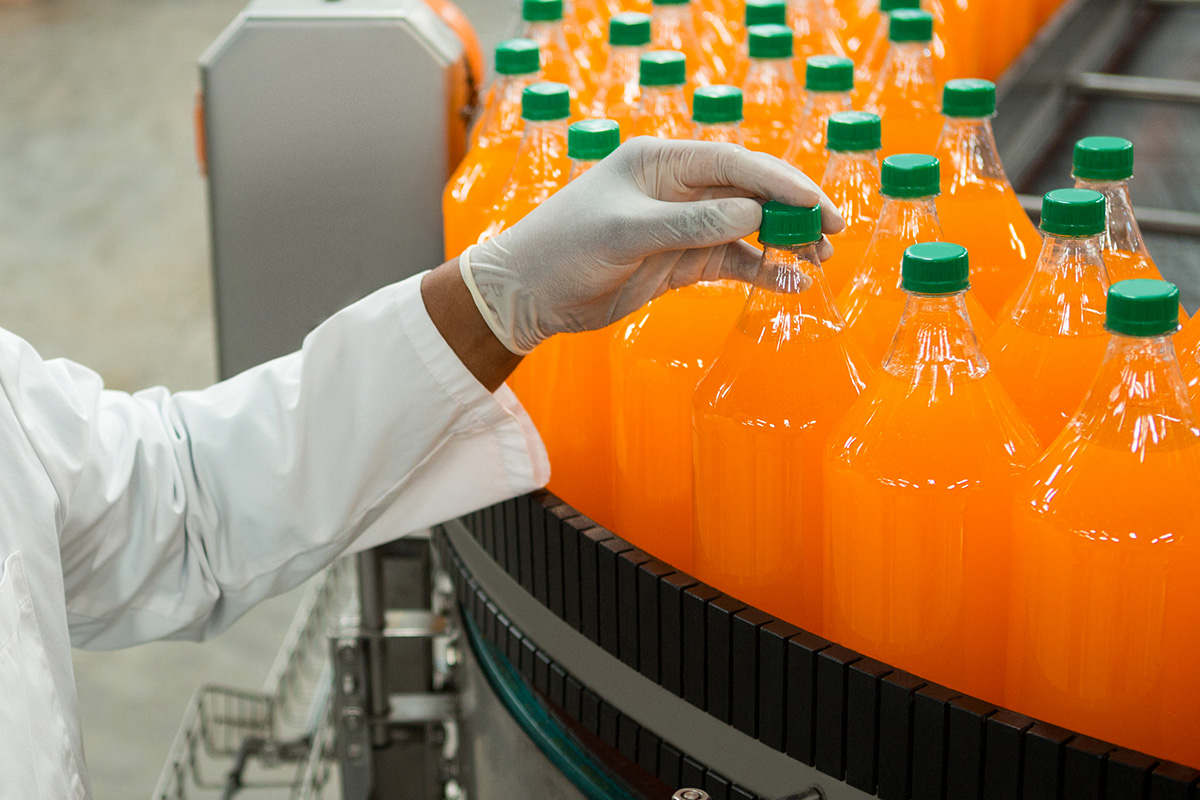
Quality assurance in the food industry is an approach used to make sure food is safe, consistent, and suitable for consumers. It focuses on preventing problems during sourcing, processing, packaging, storage, and distribution. Food quality assurance uses clear procedures, trained workers, documented checks, and regular reviews. These systems help businesses follow food safety standards and maintain consistent product quality.
Hazard-based planning supports this approach by identifying hazards and controlling them at important stages. GMP guidelines help establish clean processes, proper handling, and suitable working conditions. A strong assurance system also supports food processing quality control by setting clear responsibilities and checks. It helps workers follow the same standards every day and encourages timely action when risks or process gaps are identified.
Importance of Quality Assurance in Food Industry
Quality assurance is important because safe food depends on prevention, consistency, and proper control at every production stage. A strong system supports safe products while helping workers follow clear procedures. Key reasons include:
- Protecting consumers: An assurance system helps reduce contamination and other food safety risks.
- Meeting requirements: Following food safety standards supports compliance and builds confidence in product quality.
- Preventing errors: HACCP in the food industry helps identify hazards before they affect finished products.
- Supporting consistency: Standard procedures encourage controlled processes, hygiene, and responsible handling.
- Improving operations: Clear procedures strengthen production checks and reduce avoidable issues, and support timely corrective action when gaps are found. Records help teams review performance and improve procedures over time.
Quality Assurance vs Quality Control in Food Industry
Quality assurance and quality control have different roles. Quality assurance focuses on preventing problems by improving processes, while quality control checks products to identify problems before release. Together, they strengthen food production controls.
- Prevention: Quality assurance sets procedures, training, hygiene measures, and checks to prevent failures.
- Detection: Quality control tests or inspects ingredients, processes, and finished products for defects.
- Process focus: Assurance covers the complete system, while control focuses on product results.
- Consumer focus: Good assurance improves overall confidence by reducing safety and quality problems.
- Improvement: Review findings help teams update procedures and strengthen production practices.
Benefits of Quality Assurance in Food Industry
A structured assurance system can improve both food safety and daily production. When procedures are clear and consistently followed, food businesses can manage risks and maintain reliable safety and quality standards.
- Safer products: Preventive checks help reduce contamination and other food safety risks.
- Consistent quality: Standard procedures support uniform products across production batches.
- Better efficiency: Early risk identification can reduce rework, waste, delays, and avoidable errors.
- Stronger trust: Consistent safety practices can increase confidence among consumers, workers, and business partners.
- Regulatory readiness: Documented processes make it easier to demonstrate that required controls are being followed.
Why Hygiene is Critical in Quality Assurance for Food Safety
Food hygiene practices are a core part of quality assurance because poor hygiene can introduce harmful microorganisms, allergens, chemicals, or physical contaminants into food. Clean facilities and safe working methods help reduce these risks effectively from receiving ingredients through processing, packaging, storage, and distribution.
Good hygiene practices include regular cleaning and sanitation, proper handwashing by staff, protective clothing, safe waste handling, pest control, and temperature management. Workers should also understand personal hygiene requirements and report conditions that could affect food safety.
Strong hygiene controls support safety requirements and help prevent contamination before products reach consumers. Regular inspections and documented cleaning schedules make it easier to identify gaps, take corrective action, and verify results. When hygiene is treated as a daily responsibility, it supports safer production, protects workers and consumers, and strengthens overall assurance across the operation. Supervisors should verify cleaning records, monitor hygiene checks, and correct unsafe practices without delay.
Also read: The importance behind quality assurance in food industry
How to Implement Quality Assurance in Food Industry
Implementing a quality assurance system requires clear procedures, trained workers, regular checks, proper records, and regular reviews. Food businesses can build the system around the risks and processes specific to their daily operations.
- Set standards: Define quality, safety, hygiene, storage, and handling requirements for each production stage.
- Identify hazards: Assess biological, chemical, and physical hazards and set controls.
- Train employees: Teach workers safe handling, cleaning, hygiene, and reporting.
- Monitor processes: Conduct regular food processing quality control inspections to identify gaps early.
- Review and improve: Use findings, complaints, and corrective actions to update procedures and strengthen controls.
Best way to reduce waste through quality assurance:
Another benefit of quality assurance over quality control is that once you reach the quality control stage, it gets too late quite often. Any item that has been subject to contamination will already get affected. It will leave the food processors with no other option but to remove the compromised batches and then start all over again!
- With quality assurance, you can get your focus on preventing these issues from taking place right from the get-go.
- So, it is a proven way to help reduce waste by ensuring contaminant-free items all the time.
- Waste at higher levels is always the main problem. It mainly translates to increase cost and lots of time.
- Moreover, throwing away materials that you could have sold otherwise will lower your profit margins big time.
- Cutting down the waste level can always have a substantial impact on your costs big time.
Food Safety Compliance in Quality Assurance (HACCP, GMP & Standards)
Quality assurance indeed means having the right practices in place when it is about safety and hygiene. So, it is not a surprise that quality assurance will go hand in hand with compliance.
Food production in India should match up with a host of regulatory needs, as imposed by the food standard agencies.
- There might be some local requirements and laws, which are relevant to the chosen sector that you operate within like HACCP, GMP, and more. With us at FICSI, you will learn about these points through our courses.
It is mandatory for the processors to match with the rigid rules regarding ways they should produce and handle their products. It mainly involves working on the hygiene levels and getting used to some procedures that safeguard consumers from any harm, as resulted from consumption.
Join us at FICSI, where we will talk about quality assurance and quality control, along with the benefits they follow. Visit our official website to learn more about the courses we have in store for you.
Conclusion
Quality assurance is an essential part of safe food production. It focuses on preventing problems through planned processes, trained employees, hygiene controls, hazard management, and improvement. When businesses combine effective procedures with regular checks, they can maintain consistent quality and reduce food safety risks.
For students, workers, trainers, and food processing professionals, understanding quality assurance can support better workplace practices and stronger career readiness too. FICSI supports relevant skilling, certification, capacity building, and entrepreneurship for the food processing sector. Building practical knowledge of safety, hygiene, and quality control in the food industry can help create skilled workers and support responsible food production.
Frequently Asked Questions
Related Blogs
What Is Condensed Milk? Ingredients, Types, Uses & Benefits
Last Updated on September 28, 2026 by Admin Table of...
What Is Maltodextrin? Uses, Benefits, Side Effects & More
Last Updated on September 25, 2026 by Admin Table of...

What Is Food Chemistry? Meaning, Principles, Basics & Importance
Last Updated on September 25, 2026 by Admin Table of...

What Are Nutraceuticals Types, Applications, and Industry Growth in India
Last Updated on September 21, 2026 by Admin Table of...
Natural and Artificial Preservatives in Food: A Complete Guide
Last Updated on August 31, 2026 by Admin Table of...
Different Types of Sugar in Food and Their Effects on Health
Last Updated on August 6, 2026 by Admin Table of...

Food Colours Explained: Types, Uses, Natural vs Artificial & FSSAI Guidelines
Last Updated on July 7, 2026 by Admin Summary Food...