


Last Updated on May 27, 2026 by Admin
Table of Contents
- Overview Summary
- Introduction
- Understanding The Concept Behind Making Ketchup
- Popular Types of Ketchup
- Ketchup Manufacturing Process
- Tomato Ketchup Process Flow Chart
- Ketchup Making at Home
- Tomato Ketchup Manufacturing Industry Insights
- Importance of Hygiene in Ketchup Processing
- Ketchup Making Course
- Advantages of Modern Tomato Ketchup Processing
- Challenges in Ketchup Manufacturing
- Conclusion
- Frequently Asked Questions
Overview Summary
This blog explains the complete ketchup manufacturing process, detailing ketchup processing steps from raw tomato selection to packaging. It covers essential ketchup ingredients, types of ketchup, and a clear tomato ketchup process flow chart. The blog also explores how ketchup is made, industry trends, hygiene practices, and opportunities like a ketchup-making course for aspiring food entrepreneurs.
Introduction
It’s no surprise that ketchup is one of the most popular condiments in the world and, as such, is featured on almost all types of food. Despite its simplicity in taste, ketchup production is both highly structured and scientific in order to maintain consistency, safety, and taste. The process of ketchup production involves many stages, as with any other product, and the steps of the ketchup production process include the harvest of the tomatoes and the final assembly of the product. The processed tomato market is consistently on the rise due to convenience and ready-to-eat products.
The most integral ingredients in ketchup production are tomato, sugar, vinegar, and spices. The evolution of food technology has made the production of ketchup both more efficient and more sanitary.
Understanding The Concept Behind Making Ketchup
Understanding the concept behind making ketchup begins with recognising it as a thick, smooth sauce widely used across cuisines. The primary ingredient is tomatoes, which provide the base flavour, colour, and texture. As a versatile condiment, ketchup complements a variety of foods, from snacks to main dishes. Its distinctive taste comes from a balanced combination of ingredients like sugar, vinegar, salt, and spices, creating a unique blend of sweetness, tanginess, and mild spice that appeals to diverse taste preferences.
Ketchup Ingredients
- Types of ketchup can differ greatly; however, some common ones may include tomatoes, vinegar, and sweeteners
- Ingredients may include stabilisers and onion/garlic
- Not only does vinegar help to preserve the sauce, but it can also help to preserve and enhance the flavour of the sauce
- Sugar can help strengthen the sweetness and help to keep a certain consistency of the ketchup
Popular Types of Ketchup
There are many types of popular ketchup:
1. Tomato Ketchup
By far the most popular ketchup. It is primarily made out of ripe tomatoes, sugar, vinegar, and spices, which gives it a distinctive sweetness and sourness. This ketchup is almost universal and is consumed as a condiment on fries, burgers, and in club sandwiches.
2. Organic Ketchup
This ketchup is made from tomatoes that are grown organically and uses all-natural ingredients. As such, this ketchup has no artificial, synthetic, or preservative additives and is a healthier choice when compared to standard ketchup.
3. Spicy Ketchup
Those looking to spice things up with the addition of chilli or other hot spices to the mix will love this ketchup. It absolutely has a more acidic and intense taste when compared to the other varieties of ketchup.
4. Low-Sugar or Diet Ketchup
Those looking to reduce sugar in their diet will love this ketchup. Despite the significantly lower sugar in this ketchup, the flavour and consistency have only been minimally altered.
5. Flavoured Ketchup
Beyond the staple varieties of ketchup, there are also condiment options that have been supplemented or flavoured with different spices and ingredients. There is garlic ketchup, onion ketchup, smoked flavoured ketchup, and so many more.
Ketchup Manufacturing Process
The manufacture of ketchup is a multi-step system that ensures consistency, quality, and safety.
Selection of Tomatoes
- Only the best tomatoes are picked.
- Bad or underripe tomatoes are discarded.
- Bad tomatoes contribute to poor taste in finished products
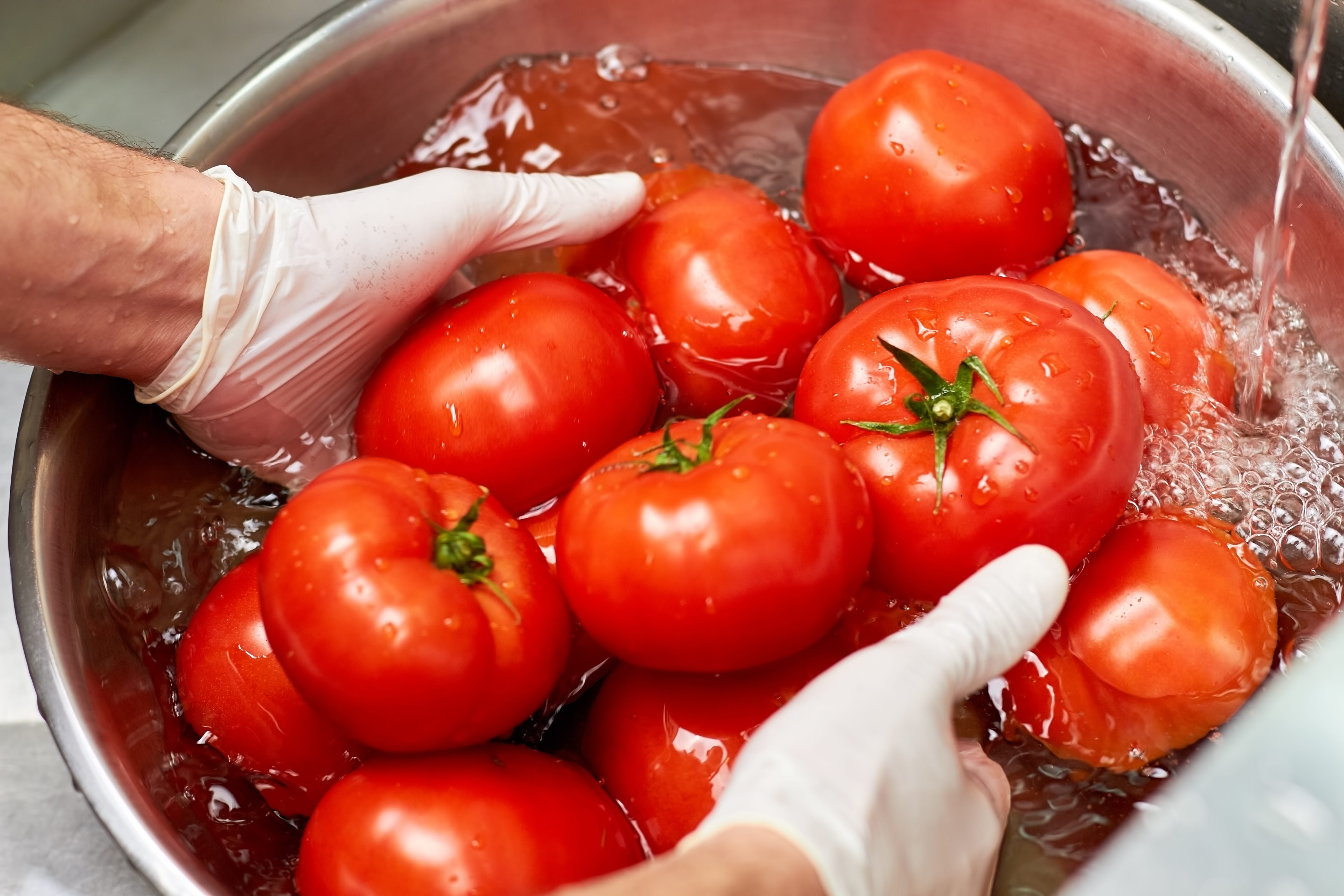
Washing and Sorting
- After picking, tomatoes go through a wash to remove dirt.
- Only the best wash through.
- Safety and sanitation are improved standards.
Crushing and Pulping
- Tomatoes are crushed to a pulp.
- The seed and skin were removed.
- Smooth tomato base is the result
Preheating and Cooking
- This pulp helps in the activation and deactivation of processing enzymes.
- Even better pulp is the result.
Concentration (Evaporation)
- This not only helps in removing excess water but also thins the tomato paste.
Addition of Ingredients
- Here is where the magic of Ketchup begins.
- This is the start of ketchup manufacturing.
Cooking and Mixing
- This is where the Ketchup is cooked to the correct taste and temperature.
- This ensures that the Ketchup has the correct taste.
Sterilisation and Pasteurisation
- The mixture is heated to kill bacteria.
- Ketchup also has a longer shelf life through pasteurisation.
Cooling
- The cooling not only helps in preventing the Ketchup from being overcooked but also helps it maintain its taste and texture.
Filling and Packaging
- Bottling is typically done in pouches or bottles
- To prevent contamination during transport, containers are sealed.
- Automated systems guarantee accuracy during the bottling phase.
Quality Control
- Testing is done for taste, consistency, and colour.
- Quality compliance is ensured for safety standards.
- Inspections are done before shipment.
Tomato Ketchup Process Flow Chart
The tomato ketchup flowchart consists of a systematic process of:
- Selection of Tomatoes → Washing → Crushing → Pulping → Heating → Concentration → Mixing Other Ingredients → Cooking → Pasteurising → Filling and Sealing → Packaging → Distribution.
This Tomato Ketchup Process Flow Chart ensures manufacturers keep up the efficiency and control of the process.
Ketchup Making at Home
- Tomatoes are nicely blended with sugar, vinegar and some spices.
- The tomato mixture is cooked until the desired consistency is achieved (thick).
- Tomato sauce is cooled and sealed in containers to keep the freshness intact.
This is how to make ketchup, a simplified version of the process done on a smaller scale.
Tomato Ketchup Manufacturing Industry Insights
- Demand for processed foods is increasing
- More food processing automation
- Clean-label and organic product focus
- Small-scale manufacturing unit expansion
Importance of Hygiene in Ketchup Processing
- Clean water and equipment
- Proper raw material handling
- Controlled environment for processing
- Consistent quality checks
Ketchup Making Course
Learning Opportunities
- Enrol in FICSI’s ketchup-making course to understand production
- Study processing, packaging, and quality
- Launch food business with structured guidance
- Gain experience in an industrial setting
Advantages of Modern Tomato Ketchup Processing
- More efficiency and scalability: Modern processes enable faster production and easy expansion to meet growing demand without compromising quality.
- Consistent products: Standardised methods ensure uniform taste, texture, and quality across every batch of production.
- Improved food safety: Advanced hygiene practices and controlled processing reduce contamination risks and ensure safe consumption.
- Less waste and costs: Optimised operations minimise raw material wastage and lower overall production and operational expenses.
Challenges in Ketchup Manufacturing
- Problems with steady taste and quality
- Issues with raw material maintenance
- Compliance with regulations
- Balance production and costs
Also read : Various Kinds of Food Processing Technology Course from The House Of FICSI
Conclusion
In conclusion, ketchup manufacturing taps into the right mix of science, tech, and cooking to form a system when producing a favourite condiment for most, if not all, of the world. It revolves around the quality of raw materials, careful following of tomato ketchup processing instructions, process safety, and product consistency. How ketchup is made provides essential insight into food processing and how industries can be made more efficient, an area actively supported by organisations like FICSI in strengthening industry skills and standards.
Improvements in tech and process management have made efficiency and productivity within the tomato ketchup manufacturing process a lot better and more sustainable. The knowledge of the ketchup-making process thrives further rooms of invention and business at domestic and industrial kitchen levels (Small Scale Industries). So long as ketchup production is a central lynchpin in the global food processing industry due to its increasing demand and unceasing modification.
Frequently Asked Questions
Related Blogs
What Is Condensed Milk? Ingredients, Types, Uses & Benefits
Last Updated on September 28, 2026 by Admin Table of...
What Is Maltodextrin? Uses, Benefits, Side Effects & More
Last Updated on September 25, 2026 by Admin Table of...

What Is Food Chemistry? Meaning, Principles, Basics & Importance
Last Updated on September 25, 2026 by Admin Table of...

What Are Nutraceuticals Types, Applications, and Industry Growth in India
Last Updated on September 21, 2026 by Admin Table of...

Natural and Artificial Preservatives in Food: A Complete Guide
Last Updated on August 31, 2026 by Admin Table of...

Different Types of Sugar in Food and Their Effects on Health
Last Updated on August 6, 2026 by Admin Table of...

Food Colours Explained: Types, Uses, Natural vs Artificial & FSSAI Guidelines
Last Updated on July 7, 2026 by Admin Summary Food...