

Last Updated on April 24, 2026 by Admin
Table of Contents
- What Are Probiotic Foods?
- The benefits of food containing probiotics:
- Probiotic Foods List
- Natural Probiotic Foods
- Foods With the Highest Probiotics
- Probiotic Fruits and Vegetables
- Probiotic Foods for Gut Health
- Role of Food Processing and Preservation
- With modern techniques, processing can provide:
- How to Include Probiotic Foods in Your Diet
- Precautions and Considerations
- Conclusion
- Frequently Asked Questions
Gut health has become a prominent focus in recent studies, with a high emphasis on its importance for overall health. Consuming probiotic foods daily is one of the best ways to integrate into one’s diet an effective means of aiding digestive health. With the knowledge of what probiotic foods are, one can make nutritional decisions that help the individual live a healthy life. Probiotic foods are rich in live beneficial microorganisms that help sustain a healthy gut microbiome, which is crucial in improving one’s digestion, immunity, and even mental health. This article discusses the probiotic foods’ benefits, their probiotic foods list, and the natural probiotic foods that are best to include in one’s diet daily.
What Are Probiotic Foods?
Probiotic foods can be considered as foods that contain live beneficial bacterial and yeast microorganisms, to help sustain one’s digestive health as well as sustain the natural balance of one’s gut microbiome.
Probiotic food examples include:
- calcium fortified yoghurt
- kefir
- food products containing lactic acid
The impact of food products containing probiotics on one’s health cannot be underestimated and should be a part of one’s daily food intake.
The benefits of food containing probiotics:
1. Better digestible on the food consumed: Probiotics help regulate bowel movements and reduce issues like bloating and constipation.
2. Strengthens one’s immunity: Regular intake of probiotic-rich foods strengthens the body’s natural defence system.
3. Better one’s ability to absorb vitamins and minerals: Probiotics assist in breaking down food, improving the absorption of vitamins and minerals.
4. Mental Well-Being: Gut health and mental wellness are correlated, and probiotics have been shown to improve mood and stress.
5. Aid in Weight Management: Some probiotics have been shown to control appetite and increase metabolism.
Probiotic Foods List
A balanced probiotic foods list contains multiple options from the list below.
Dairy-Based Probiotic Foods
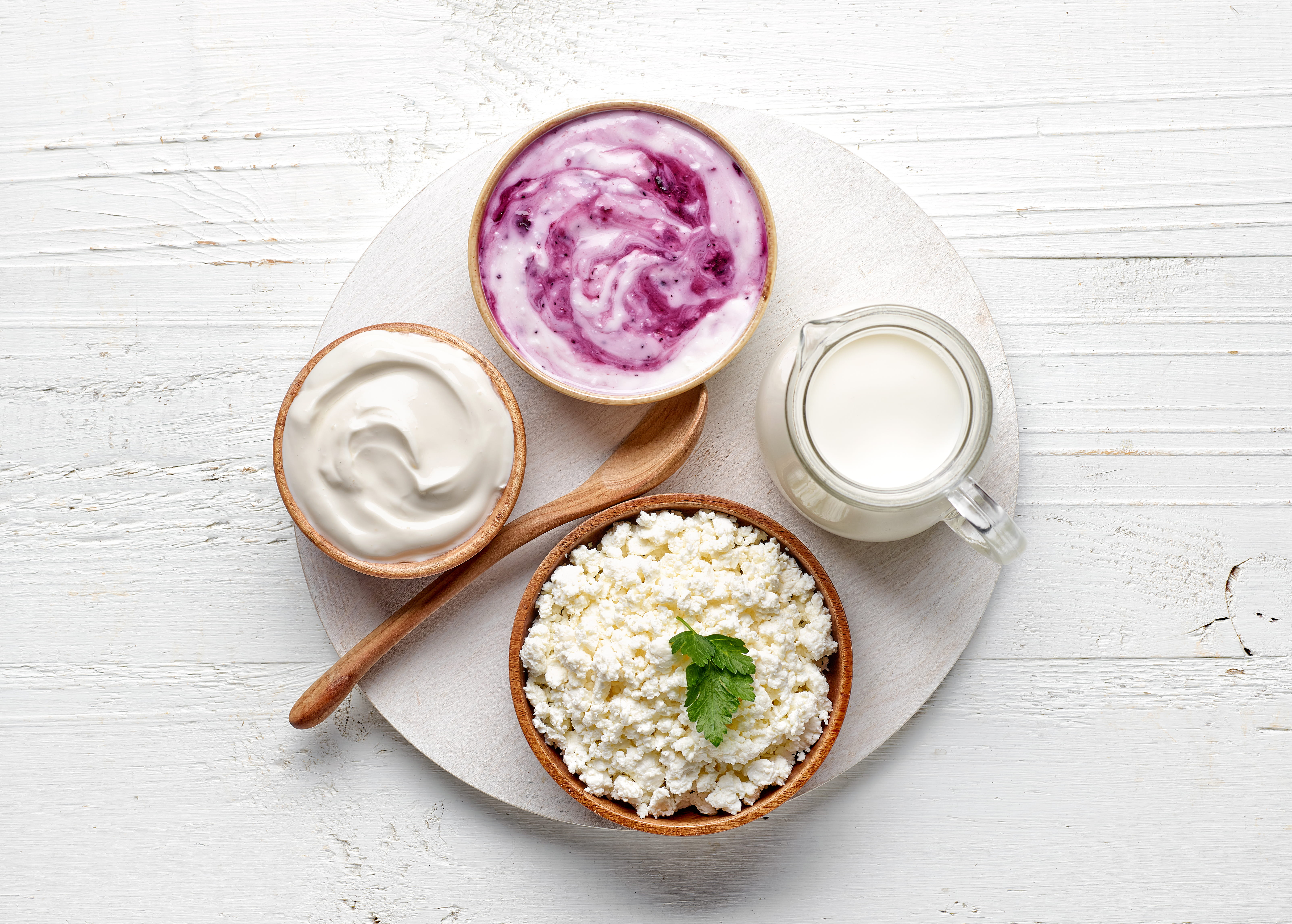
- Yogurt
- Kefir
- Buttermilk
Fermented Vegetables
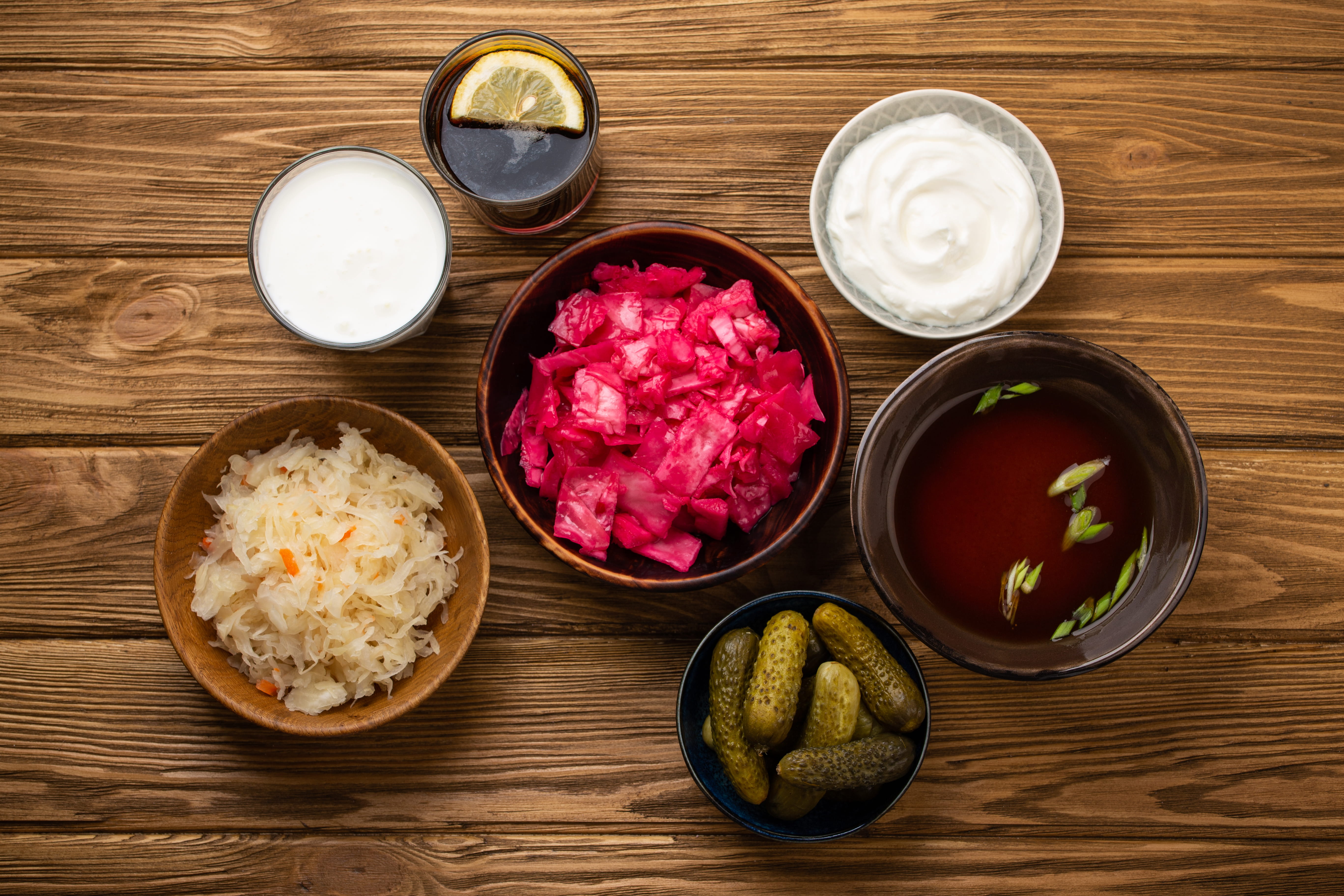
- Sauerkraut
- Kimchi
- Pickled Vegetables
Fermented Soy Products
- Tempeh
- Miso
Beverages
- Kombucha
- Fermented Herbal Drinks
These examples of probiotic foods are easy to use in daily meals.
Natural Probiotic Foods
Natural probiotic foods are products that have live cultures and do not contain artificial additives. Traditionally fermented foods fall into this category.
Examples include:
- Homemade yoghurt
- Some pickles
- Some rice dishes
If included, foods of this kind will ensure better nutritional quality and authenticity.
Foods With the Highest Probiotics
Foods especially high in beneficial bacteria include:
- Kefir (has several strains of bacteria)
- Kimchi (has plenty of vitamins and probiotics)
- Sauerkraut (loaded with fibre and beneficial bacteria)
- Yoghurt (easy to get and healthy)
If you want to get better gut health, you will want to eat more of these probiotic-rich foods.
Probiotic Fruits and Vegetables
Most of the time, the foods that have probiotics come from ferments; however, some probiotic fruits and vegetables are also good for your gut health.
Some of these will be:
- Bananas (aiding the healthy bacteria to grow)
- Apples (have prebiotics)
- Garlic and onions (feed the good bacteria)
Probiotic foods will usually not have live probiotics, but help the healthy gut bacteria grow when combined with them.
Probiotic Foods for Gut Health
To help your gut health, you will want to eat more probiotic foods for gut health, as these will help your gut bacteria grow.
Tips to Improve Gut Health
- Eat a mix of fermented foods
- Eat fibre-rich foods
- Eat less processed foods
- Drink more water
These tips will help your gut health and will help probiotic foods work better.
Role of Food Processing and Preservation
The key role of food processing and preservation is ensuring the high-quality and potency of probiotics. Besides preservation, traditional fermentation techniques also improve the nutrition of foods.
With modern techniques, processing can provide:
- Shelf-life extension
- Beneficial bacteria retention
- Safety of consumption
The storage and handling of probiotic foods must be done following proper food hygiene so that the live probiotics are kept intact.
How to Include Probiotic Foods in Your Diet
Adding probiotic foods to the diet can be easy:
- Have a yoghurt breakfast
- Use fermented veggies in dishes
- Have a probiotic drink
- Use fermented foods in dishes
To feel the benefits of probiotic foods, repeat the activities.
Precautions and Considerations
Probiotic foods are safe, but initial mild gastrointestinal upset can occur. Do the following:
- Use in small amounts
- Use premium quality
- Get professional advice
The positive side of probiotics can be enjoyed through moderate use.
Conclusion
The above information shows the importance of understanding what probiotic foods are and having a probiotic foods list in your day-to-day to help support the digestive system, improve the immune system, and help the body absorb nutrients. The benefits of probiotic foods are numerous and are important in many areas of our society.
The value of probiotic-rich foods and the potential positive contribution to our longevity are directly related to the value of natural probiotic foods and the quality of that food in conjunction with proper food processing and preservation.
Frequently Asked Questions
Related Blogs
Why Prebiotic Foods Matter for Gut Health and Digestion
Last Updated on May 29, 2026 by Admin Table of...
Ready-to-Eat and Instant Foods Transforming Modern Food Consumption
Last Updated on June 1, 2026 by Admin Table of...
What Are Emulsifiers in Food? Types, Uses & Natural Examples
Last Updated on June 1, 2026 by Admin Table of...
Spray Drying in Food Processing: Process, Principle, Equipment & Applications
Last Updated on June 1, 2026 by Admin Table of...
Ketchup Manufacturing Process Explained: Step-by-Step Guide
Last Updated on May 27, 2026 by Admin Table of...
Supply Chain Management in the Food Industry: Explained with Process, Distribution & Issues
Last Updated on May 27, 2026 by Admin Table of...
Understanding Food Spoilage: Types, Causes and How to Prevent It
Last Updated on May 27, 2026 by Admin Table of...
Prebiotic vs Probiotic: Key Differences, Benefits & Food Sources Explained
Last Updated on May 27, 2026 by Admin Table of...
What Are Probiotic Foods? Benefits, Examples & Food List
Last Updated on April 24, 2026 by Admin Table of...