


Last Updated on April 21, 2026 by Admin
Table of Contents
- Understanding the Farm-to-Fork Approach in Food Safety
- Good Hygiene Practices in the Food Industry
- Why Health and Hygiene in the Food Sector Are Non-Negotiable?
- Training and Awareness Programs for Food Safety Professionals
- Ensuring Food Safety at the Final Stage: Consumer and Home Handling
- How do Food Safety and Food Hygiene Differ Yet Complement Each Other?
- A Commitment to Safe Food from Farm to Fork
- Frequently Asked Questions
Food isn’t just about tantalising taste buds; it’s about ensuring what goes into our bodies is safe and healthful. With a rise in global food trade and varied culinary techniques, understanding food safety and hygiene nuances becomes paramount. Food safety signifies a critical aspect of public health, aimed at safeguarding consumers from foodborne illnesses and keeping the wholesomeness of the food supply chain. It encompasses a variety of measures and practices to prevent contamination and ensure that food remains safe for consumption from the point of production to the final consumer, often summarised by the “farm to fork” concept. It includes hygiene practices at every stage of the food supply chain, rigorous standards for food processing, storage, and handling, as well as comprehensive regulations and policies that guide food producers, processors, and retailers. This article looks deep into food safety, hygiene and their indispensable role in the food industry.
Understanding the Farm-to-Fork Approach in Food Safety
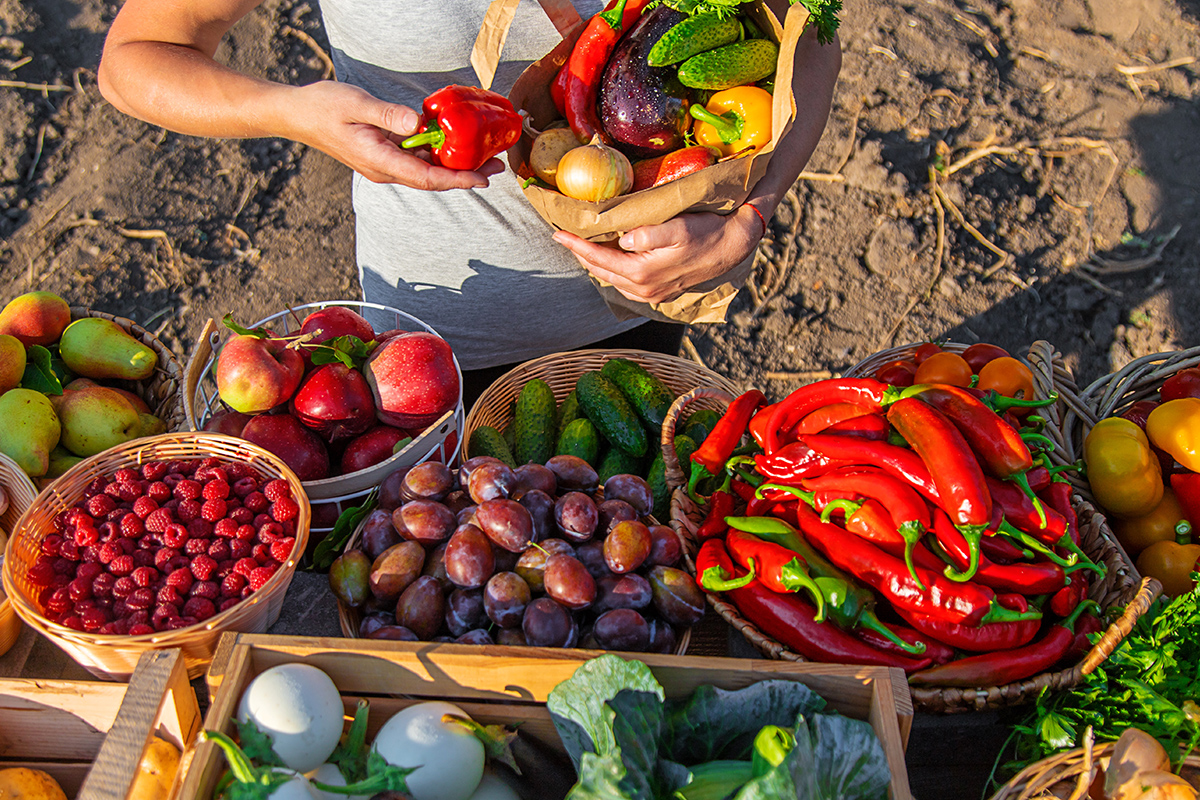
The path from field to plate involves many steps. Each stage requires careful monitoring to prevent germs. Farm to fork food safety ensures that every person in the supply chain does their job right. Farmers grow crops while truckers move them to the market. Checking every point in the cycle reduces risks. We must watch how items travel to prevent spoilage. This method builds a strong wall against diseases that enter our home through poor handling or storage.
Good Hygiene Practices in the Food Industry
Before diving into the nitty-gritty of good hygiene practices in the food industry, it’s crucial to understand its essence. Good hygiene practices encompass measures and guidelines ensuring food is safe for consumption and free from contaminants.
1. Regular Cleaning and Sanitization: Ensuring equipment, utensils, and food preparation areas are cleaned and sanitised reduces the risk of foodborne pathogens.
2. Proper Storage: Raw and cooked foods should be stored separately to prevent cross-contamination. Furthermore, each food type has specific temperature requirements to retain freshness and safety.
3. Personal Hygiene of Food Handlers: This includes regular handwashing, using protective clothing, and ensuring that any sickness or injury is adequately addressed.
4. Continuous Training and Education: Making sure that every team member is well-versed with the most recent protocols and adheres to the best industry practices is vital. Continual training sessions keep everyone abreast of the evolving food safety landscape and instil a culture of excellence.
5. Waste Management Protocols: Efficient waste management prevents pests, which are carriers of numerous diseases. It ensures that contaminants do not re-enter the food processing areas.
Why Health and Hygiene in the Food Sector Are Non-Negotiable?
Clean habits in every home kitchen and food business go beyond rules – they are ethical responsibilities, ensuring food safety and hygiene for everyone who prepares, handles, or consumes food.
1. Protection against Foodborne Illnesses
The importance of food hygiene becomes clear when we stop bacteria. This prevents the spread of diseases that hurt people.
2. Upholding Brand Reputation
Building trust and ensuring high standards make customers feel safe, and they will return.
3. Economic Implications
Adhering to rules stops the cost of bad batches. This keeps the business running without loss.
4. Food Source Verification
Managers use food traceability to find where items came from. This helps remove bad stock fast before anyone gets sick. Speed saves lives when problems occur.
5. Temperature Control
Using correct food storage safety stops germs from growing on milk or meat. Keeping fridges at the right level is a vital task for every kitchen worker.
6. Consumer Protection
Following food safety practices creates a shield for the public. It ensures every meal served meets a high standard. This focus makes the entire food system much stronger.
Training and Awareness Programs for Food Safety Professionals
Education forms the backbone of any kitchen. Workers need to realize the importance of food safety to protect their guests. Regular workshops help staff recognize risks before they become real problems. Creating high food hygiene awareness leads to a cleaner environment for everyone involved.
Professionals who study these methods understand the complex farm to fork journey. This knowledge empowers them to maintain quality during every shift. Teaching people how to handle ingredients correctly remains a vital and smart investment.
Ensuring Food Safety at the Final Stage: Consumer and Home Handling
Every home kitchen is a culinary laboratory, and ensuring food safety and hygiene in the kitchen isn’t just for professional chefs – it’s for anyone who prepares or handles food. Understanding the importance of food hygiene is essential to maintain a safe cooking environment.
1. Safe Cooking Temperatures: Proper cooking eliminates harmful bacteria. Using a thermometer ensures food reaches a safe temperature.
2. Avoiding Cross-contamination: Using different cutting boards for raw meats and vegetables, for instance, reduces the risk of bacterial transfer.
3. Safe Storage Practices: Refrigerating perishables within two hours and checking expiry dates ensures food safety. Maintaining proper food storage safety practices helps prevent the growth of harmful microorganisms.
4. Mindful Ingredient Sourcing: It’s crucial to purchase ingredients from reputable sources. Ensuring the authenticity and quality of raw materials can drastically reduce the food’s contamination risk.
5. Regular Hand Hygiene: Frequent and proper handwashing, especially before handling food, can prevent many potential contaminations.
6. Routine Equipment Maintenance: Damaged or malfunctioning equipment can introduce unforeseen risks, from metal shards to uneven cooking. Regular checks and maintenance can help mitigate these risks.
Read Also – The Importance of Food Hygiene at Home and Outside
How do Food Safety and Food Hygiene Differ Yet Complement Each Other?
People use two words for the same thing, but they mean different ideas. Knowing what makes them unique is key to your health. A focus on food safety and hygiene protects every diner.
Food Safety
This means the steps used to stop bad things from getting into your food. It covers the path from the farm to the table.
Food Hygiene
This focuses on the ways you handle food so germs do not grow. It looks at how you store, cook, and eat your meals.
Complementing Practices
These ideas work as a team. Good habits stop germs, which leads to a safe meal for everyone. They fit like a lock and a key. One needs the other to protect the kitchen. You cannot have a safe dish without clean hands. Use proper food safety practices to build a shield for your home. This bond ensures the food you eat stays healthy and strong for you and your family.
Read Also – Food Safety and Different Types of Food Contaminations
A Commitment to Safe Food from Farm to Fork
Food health is a task that does not end in our daily lives. It is a list of rules and a promise to ensure the health and safety of everyone. The path from farm to fork needs care at every stage. We must learn to use farm to fork food safety and food safety and hygiene practices to stop risks. New tools like food traceability help us see where items come from, strengthening the importance of food safety across the supply chain.
High standards of hygiene in the food industry keep our meals clean and protect public health. Growing our food hygiene awareness helps individuals and businesses make safer choices. This journey is continuous and requires dedication, training, and responsibility. Every bite should be safe and of high quality. We must work consistently to uphold food safety and hygiene standards and protect consumers for the years to come- it is our shared commitment. This commitment to food safety and hygiene is ever-evolving, requiring continuous training, education, and a strong sense of responsibility to maintain high standards, ensure consistency, and prevent foodborne illnesses.
Frequently Asked Questions
Related Blogs
What Is Condensed Milk? Ingredients, Types, Uses & Benefits
Last Updated on September 28, 2026 by Admin Table of...

What Is Maltodextrin? Uses, Benefits, Side Effects & More
Last Updated on September 25, 2026 by Admin Table of...

What Is Food Chemistry? Meaning, Principles, Basics & Importance
Last Updated on September 25, 2026 by Admin Table of...

What Are Nutraceuticals Types, Applications, and Industry Growth in India
Last Updated on September 21, 2026 by Admin Table of...
Natural and Artificial Preservatives in Food: A Complete Guide
Last Updated on August 31, 2026 by Admin Table of...

Different Types of Sugar in Food and Their Effects on Health
Last Updated on August 6, 2026 by Admin Table of...

Food Colours Explained: Types, Uses, Natural vs Artificial & FSSAI Guidelines
Last Updated on July 7, 2026 by Admin Summary Food...