


Last Updated on May 27, 2026 by Admin
Table of Contents
- Summary
- Introduction
- What is the Food Supply Chain?
- Food Supply Chain Explained
- Food Supply Chain Stages
- Food Supply Chain Process
- Supply Chain Management in the Food Industry
- The Functionality Of Food Service Supply Chain Management
- Traceability in the Food Supply Chain
- Food Supply Chain Issues
- Role Of Food Supply Chain in India
- Importance of Efficient Supply Chain Management
- Future Trends in Food Supply Chain
- Conclusion
- Frequently Asked Questions
Summary
This blog explains supply chain management in the food industry, covering the food supply chain process, key stages, and real-world examples. It highlights the importance of food supply chain management, traceability, and efficiency. The blog also discusses major food supply chain issues and challenges in the food supply chain in India, along with future trends and improvements.
Introduction
Today’s food systems rely on supply chain management to get food to customers quickly, safely, and efficiently. In the realm of food production and processing, supply chain management in the food industry connects the processing of food from farmers to distributors and to food retailers. Each phase of the food chain illustrates what the food supply chain is and defines how food is distributed. With global food markets worth trillions, food supply chain management has been crucial in battling food insecurity and controlling the supply chain.
Millions depend on agricultural production in India, resulting in a sprawling food supply chain in India. It has many issues and challenges. This blog will cover the food supply chain process, examples, and major problems in the system.
What is the Food Supply Chain?
The food supply chain defines the entire system of production and delivery of food to consumers. Components of the system include farmers, processors, logistics systems, distributors, and consumers, all working together to ensure food safety and quality.
Food Supply Chain Explained
The food supply chain is explained as a series of interconnected activities
- Begins with raw material production
- Includes transportation, storage and packaging
- Ensures food availability and quality
Food Supply Chain Stages
To understand how food is produced and where it is distributed, it is important to analyse the food supply chain stages.
Production Stage
- This stage is concerned with farming, fishing, and livestock raising
- The raw materials in this tier are cultivated or harvested
- Quality and yield are reliant on climate and available resources
Processing Stage
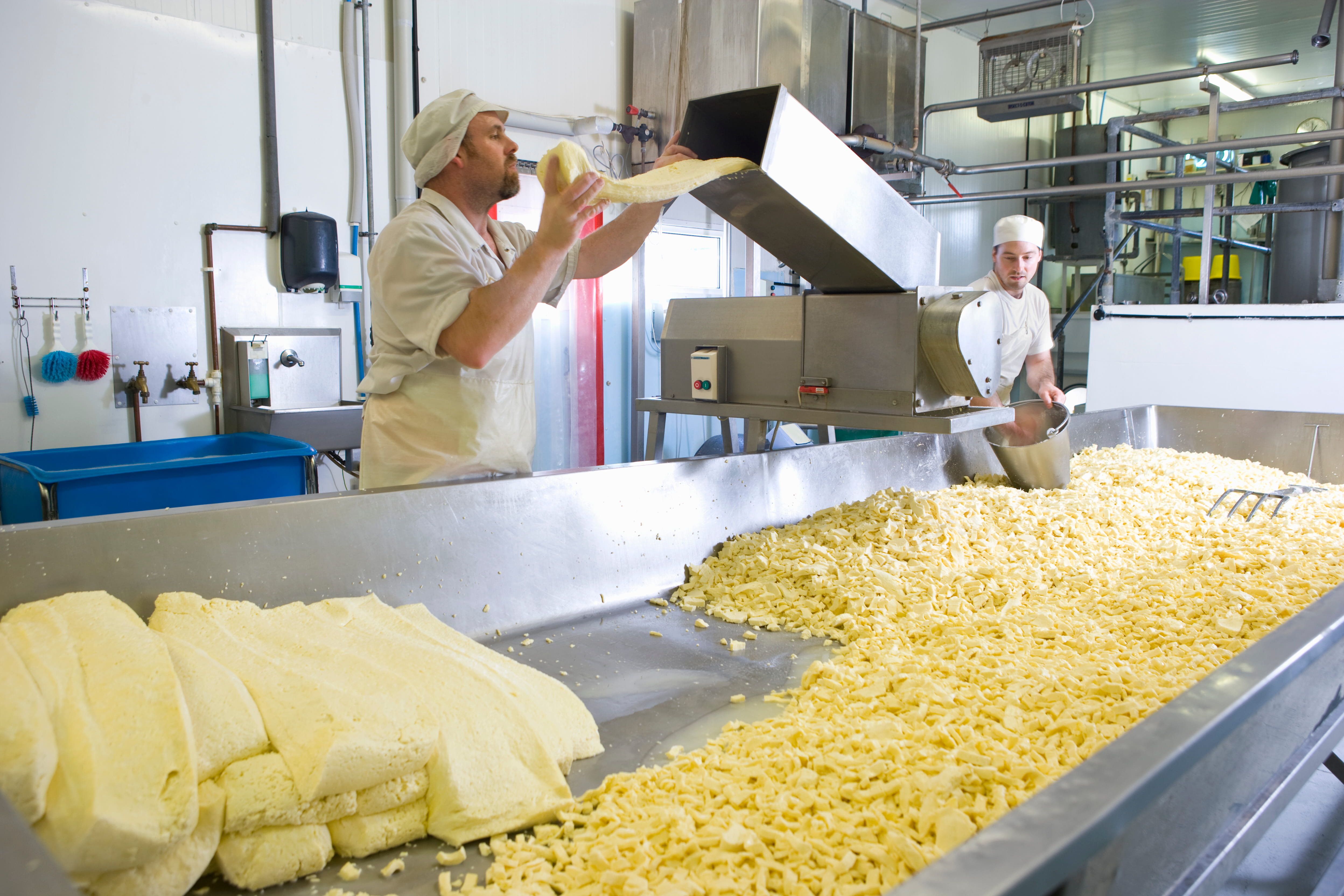
- The raw food materials are transformed into usable products or even into packaged products
- This includes cleaning, grading, and packaging
- The shelf life of the food is increased, and value is added
Distribution Stage
- This step involves transporting food from the producer to the market
- It entails the use of warehouses, cold storage facilities, and logistics
- Keeping food just harvested in a critical condition
Retail and Consumption Stage
- The food reaches the retailers, the restaurants, and the consumers
- This is the final step in the process, where the products are sold and consumed
- Patterns of demand affect supply chain decisions
Food Supply Chain Process
Structures indicating the food supply chain process range from the production stage to the consumption stage.
Step-by-Step Processes
- Production → Processing → Storage → Distribution → Retail → Consumption
- Value is added at each stage
- Coordination is needed from the beginning to the very end
- The cost and quality of the products depend on agility
Example of Food Supply Chain
A reasonable example of a food supply chain demonstrates how operations run in the real world.
Farm to Table Example
- Farmers cultivate a type of sieve or even a type of vegetable
- Those operations change the raw materials into consumable foods
- The goods are taken to the market by the wholesalers
- The people who pay for the goods often use them
Supply Chain Management in the Food Industry
The value of supply chain management in the food industry is in the work and losses that this industry maintenance minimises.
Key Functions
- Demand Planning and Forecasting
- Inventory and Logistics Management
- Food Safety and Quality Assurance
- Operational Cost Management
Additional Variants to Look for In Supply Chain Management
- Food and supply chain management focuses on technology and logistics
- Stakeholder coordination
- Greater efficiency and transparency
The Functionality Of Food Service Supply Chain Management
Food service supply chain management focuses on catering, restaurants, and hospitality.
Key Functions
- Delivery of fresh goods
- Management of inventories of perishable goods
- Collaboration with suppliers and distributors
- Compliance with hygiene and quality requirements
Traceability in the Food Supply Chain
Traceability in the food supply chain is becoming more critical for transparency and product safety.
Traceability Importance
- Tracks the entire food supply chain, from origin to final consumer
- Trace the source of contamination
- Generates consumer confidence
- Aids in meeting the standards for regulatory
Modern Technologies
- RFID and GPS tracking systems
- Incorporation of blockchain technology
- Data analysis and visualisation
Food Supply Chain Issues
Food supply chain issues are barriers to efficiency and sustainability.
Infrastructure Challenges
- No cold storage facilities
- Poor transport networks
- Resulting in elevated post-harvest loss
Food Wastage
- About one-third of Food Production ends up being wasted
- Losses in India are more abundant due to ineffectiveness
- Economic and environmental consequences
Demand Fluctuations
- Supply chain responds to changing consumer demand
- Causes overproduction or shortages
- Resulting in price fluctuations
Lack of Coordination
- A high number of intermediaries increases redundancies
- Poor communication
- Reduces the performance of the supply chain
Role Of Food Supply Chain in India
The food supply chain in India is among the largest and most complex of its type in the world.
Key Features
- Serves more than 1.4 billion
- Millions of farmers and businesses
- Varied agricultural outputs
Major Challenges
- Dispersed supply chain
- Limited cold storage and logistics
- High levels of food wastage
Recent Developments
- Hiring digital platforms
- Government Procurement to advance networks
- Rise of e-commerce and rapid delivery systems
Importance of Efficient Supply Chain Management
Supply chain management advances better performance and sustainability.
Key Benefits
- Reduces food wastage
- Improves the quality of the product
- Provides an increase in profitability
- Ensures food security
Future Trends in Food Supply Chain
Food supply chain management is powered by technology and innovations.
Emerging Trends
- AI and data analytics integration in supply chains
- Logistics and warehouse process automation
- Eco-friendly business trend
- Direct-to-customer business model tendency
Also read: From Farm to Fork: Ensuring Safe Food Storage and Transportation
Conclusion
In conclusion, we will say that supply chain management in the food sector is crucial in the distribution of food from the food producers to the food consumers. Knowing the food supply chain process is crucial in identifying the weak link in the chain and where to make the necessary improvements. Even though the food supply chain in India is long and it can feed a large population, it has a lot of challenges, such as food waste and the lack of coordination of the food supply chain.
Solving these food supply chain problems can help the country a lot, especially with the food and supply chain management policies, as well as the logistics route of the tech and the food supply. The country can sustain the demand for food.
Frequently Asked Questions
Related Blogs
What Is Condensed Milk? Ingredients, Types, Uses & Benefits
Last Updated on September 28, 2026 by Admin Table of...
What Is Maltodextrin? Uses, Benefits, Side Effects & More
Last Updated on September 25, 2026 by Admin Table of...

What Is Food Chemistry? Meaning, Principles, Basics & Importance
Last Updated on September 25, 2026 by Admin Table of...

What Are Nutraceuticals Types, Applications, and Industry Growth in India
Last Updated on September 21, 2026 by Admin Table of...
Natural and Artificial Preservatives in Food: A Complete Guide
Last Updated on August 31, 2026 by Admin Table of...
Different Types of Sugar in Food and Their Effects on Health
Last Updated on August 6, 2026 by Admin Table of...

Food Colours Explained: Types, Uses, Natural vs Artificial & FSSAI Guidelines
Last Updated on July 7, 2026 by Admin Summary Food...