


Last Updated on February 27, 2026 by Admin
With a focus on the general health of the population, it is imperative to pay attention to the safety of food in the market, and the professionals qualified in the process of food surveillance are increasing with the rise of awareness in sectors of hygiene, contamination, and compliance with the laws. To declare a product safe for market distribution, a food inspector is responsible for examining the product, collecting samples, sending them to labs to be tested and adjusting the laws governing the safety of the food product. This career field is an intersection of science, law, and humanitarianism.
Those interested in engaging with the government in the realm of health and safety of the people need to learn about the process of becoming a food inspector. This will outline the eligibility to become a food inspector, qualifications, if any, recruitment, steps, which exams to take, expectations on the salary and possible growth in this career field.
Who is a food inspector?
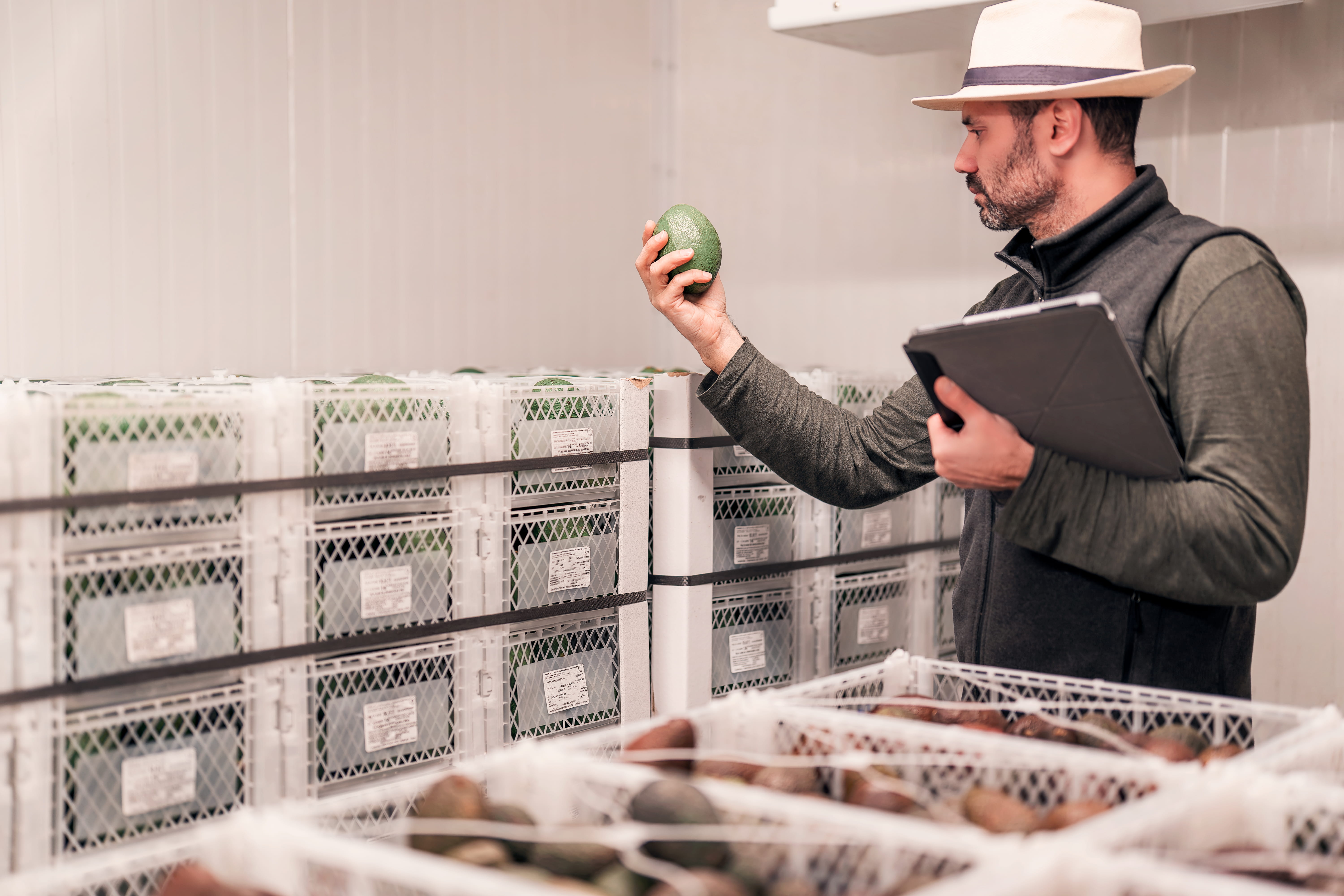
A food inspector, who is appointed by the government, performs an inspection of the quality, safety, and hygiene of food items. They are employees of the food safety division of the government and work at either the central or state government levels.
Key Responsibilities
- Inspect units for food manufacturing, restaurants and storage units
- Obtain food samples to be tested at a laboratory
- Determine compliance with food safety regulations
- Examine adulteration of food and investigate complaints
- Draft and submit reports and keep records
Their jobs help in protecting the rights of consumers and preventing foodborne illnesses.
Food Inspector Eligibility Criteria
The first step in charting a career path is understanding food inspector eligibility.
Basic Requirements
- Must be a citizen of India
- Minimum age usually between 18 and 21 years
- Generally upper age limit is 30–35 years (reserved categories relaxations)
- Must comply with the physical and medical standards set by the authorities
State or central recruitment notices may have a slight variation in the eligibility conditions outlined
Food Inspector Qualification
To be eligible to take the recruitment exams, one must meet the food inspector qualification.
Educational Requirements
Candidates must have a bachelor’s degree in
- Food Technology
- Dairy Technology
- Biotechnology
- Agricultural Science
- Veterinary Science
- Microbiology
- Chemistry
- Medicine
Degrees from a university recognised is a must. Another requirement for some posts in Food Safety Training may be certification.
Steps to Becoming a Food Inspector
If you are asking yourself how to become a food inspector, you should follow these steps:
1. Start with Some Necessary Education: Obtain your bachelor’s degree in a science of food or a related field.
2. Get Notifications about Recruitment of Food Inspectors: Check announcements for food inspector recruitment at the state and national level.
3. Apply for Food Inspector Recruitment: When a food inspector recruitment is announced, you should apply.
4. Get Ready for the Food Inspector Test: Prepare for the food inspector exam.
5. Pass the Interview and Exam: Complete the written exam and the interview.
6. Appointment and Document Verification: Candidates are verified and receive an appointment letter after being selected.
Recruitment of Food Inspectors
These are the steps for the recruitment of food inspectors:
- Written Exam: Objective questions from general knowledge and the science field.
- Interview/Personality Test: This is an assessment of a candidate’s communication, knowledge of the test subject, and critical thinking.
- Candidates have to meet the Required Health Standards: You are required to meet the health standards.
Candidates are recruited by the State Public Service Commissions or the food safety department of the state.
Food Inspector Exam Pattern
The food inspector exam has a few consistent topics that include:
- General Aptitude
- General Awareness
- Food Technology
- Chemistry and Microbiology
- Food Safety and Standards Act
These are subject to change, depending on the recruiting body.
Food Inspector Syllabus
Possessing the official food inspector syllabus will help you succeed the most.
Common Topics Include:
- Food Safety and Standards Act (FSSAI regulations)
- Basics of Food Microbiology
- Food Adulteration and Preservation
- Chemistry of Food
- Public Health and Sanitation
- Current Affairs
Theoretical and practical knowledge are both important.
Food Inspector Salary Structure
Food inspector salary is one of the most highly searched topics.
Salary
- Entry-level: ₹35,000 – ₹45,000 per month
- Experienced: ₹50,000 – ₹70,000 per month
- Other allowances: Travel, medical, housing
Salary differs according to the state and government pay scale revisions.
Required Skills for Food Inspectors
Clearance for other skills is needed for the position:
- Critical thinking
- Creativity
- Food safety regulations
- Communication
- Report writing
- Judgement
To perform inspections, compliance skills are needed.
Food Safety Training Importance
Participation in Food Safety Training programs adds competency in one’s profession. These programs offer:
- The HACCP system
- Standards for hygiene in food
- Procedures for assessment and management of risks
- Compliance with the law
Instruction advances knowledge and operational readiness.
Opportunities for Advancement
Growth is available in food inspectors.
Advancement
- Food Safety Officer
- Chief Food Inspector
- Commissioner of Food Safety
- Regulatory Consultant
- Manager Quality Assurance
Time and promotion in the department are critical for progress.
Roles Government vs Private Sector
Most positions are in the Government. With experience, one can work in:
- Food processing businesses
- Quality control/ Assurance labs
- Agencies of Certification
- Consultancies in Food
The knowledge gained from inspection is useful everywhere.
Job Challenges
The profession also comes with challenges:
- Fieldwork in different environments
- Dealing with litigation
- Compliance and regulation under pressure
- Public complaints
These challenges, however, develop significant professional competencies.
Why Choose a Career as a Food Inspector?
- Government jobs are secure
- There is a good food inspector’s salary
- A chance to serve the community by preserving their health
- There is job security and a pension, with
- Social status in the community
This profession integrates the sciences and the community.
Tips to Crack the Food Inspector Exam
- Follow the current food inspector syllabus
- Review past years’ examination papers
- Do mock exams
- Be acquainted with food safety laws
- Pay attention to the microbiology and food legislation
Your results will be proportional to the efforts you have put in.
Demand for Food Inspectors in India
Regulatory scrutiny is required more as urbanization and the food sector grow. The awareness of food safety and hygiene in packaged food is increasing, resulting in more food inspector vacancy advertisements. The increasing food processing industry is more demand for compliance and inspection personnel.
Working Conditions
Food inspectors perform their inspections in:
- Food manufacturing facilities
- Retail food establishments
- Food laboratories
- Government food inspection offices
Food inspectors are required to perform fieldwork and complete administrative documentation
Integrity and Ethics
Food inspectors must be honest, neutral, and transparent. Ethics helps to gain trust in the food safety system and protects consumers from unsafe food practices.
Read Also : How to Become a Food Safety Officer
Closing Statement
For people who are interested in food safety and public health, being a food inspector is a good career choice. By fulfilling the food inspector eligibility and food inspector qualification requirements, adequately preparing for the food inspector exam and understanding the food inspector recruitment process, candidates can secure a good and stable career. The food inspector’s salary packages are decent, and the career prospects are promising.
There is a growing need for skilled inspectors due to the increased consumer awareness and stricter food safety regulations. With the right knowledge, commitment and preparation, you will be able to embark on a very rewarding career.
Frequently Asked Questions (FAQs)
Q1. Is prior work experience required to apply for a food inspector post?
Most entry-level government positions do not require prior work experience. However, experience in food quality control, laboratory testing, or food safety compliance can provide an advantage during interviews or document verification stages.
Q2. How competitive is the food inspector exam?
The food inspector exam is considered competitive due to limited vacancies and a large number of applicants. Strong preparation in food safety laws, microbiology, and general aptitude significantly improves the chances of selection.
Q3. Can final-year students apply for food inspector recruitment?
In many cases, candidates must possess the required degree at the time of application or document verification. Final-year students should carefully review official recruitment notifications before applying.
Q4. Is physical fitness important for a food inspector’s role?
Yes, basic physical and medical fitness is required since the job involves field inspections, site visits, and sample collection in different environments.
Q5. Are promotions available in the food inspector career path?
Yes, food inspectors can be promoted to senior food safety officer, chief inspector, or higher administrative roles based on experience, departmental exams, and performance evaluations.
Related Blogs
What Is Condensed Milk? Ingredients, Types, Uses & Benefits
Last Updated on September 28, 2026 by Admin Table of...
What Is Maltodextrin? Uses, Benefits, Side Effects & More
Last Updated on September 25, 2026 by Admin Table of...

What Is Food Chemistry? Meaning, Principles, Basics & Importance
Last Updated on September 25, 2026 by Admin Table of...

What Are Nutraceuticals Types, Applications, and Industry Growth in India
Last Updated on September 21, 2026 by Admin Table of...
Natural and Artificial Preservatives in Food: A Complete Guide
Last Updated on August 31, 2026 by Admin Table of...

Different Types of Sugar in Food and Their Effects on Health
Last Updated on August 6, 2026 by Admin Table of...

Food Colours Explained: Types, Uses, Natural vs Artificial & FSSAI Guidelines
Last Updated on July 7, 2026 by Admin Summary Food...