


Last Updated on February 20, 2026 by Admin
Good health involves more than just a sufficient number of calories, but also sufficient quantity and variety of protective foods that prevent the body from getting sick and from suffering from nutrient deficiencies. Protective foods are essential sources of vitamins, minerals, and other nutrients and antioxidants that help the body strengthen its immunity, aid in growth and maintenance of overall health. So, what are protective foods? They are, in large part, fruits and vegetables, milk, eggs, some protein-rich foods, and certain other foods.
Protective foods help prevent the body from getting sick from infections and chronic diseases. With more information surrounding the meaning of protective foods, people can take more control of what they eat. This is more relevant now than ever, considering the rapid pace of modern life. Protective foods help preserve the nutrients in a food while also keeping it safe to eat. This guide will elaborate more on the meaning, benefits, examples, and uses of protective foods.
What Are Protective Foods?
Protective food definition refers to foods that contain a large number of essential vitamins, minerals, and antioxidants that help the body protect itself from diseases and also prevent it from suffering from nutritional deficiencies. So, what are the protective foods? This is simple, these are foods that are nutritious and are required to enhance the immunity of the body, support the various functions of the body, and also aid in healthy growth and repair of tissues.
Defensive foods differ from energy foods (like carbs and fats) and body-building foods (like proteins), and while all are necessary, defensive foods allow the body to resist infections and heal injuries, while helping to keep the body’s chemical processes balanced.
Why Are Defensive Foods Necessary?
Defensive foods are vital to your mental and physical well-being. They:
- Bolster your body’s immunity
- Stave off deficiency of vitamins and minerals
- Assist the functioning of your organs
- Improve the health of your skin and eyes
- Help with your digestion
Defensive food deficiency may lead to anaemia, impaired immunity, deficiency of healthy eyesight and stunted growth in children.
Example of Defensive Foods
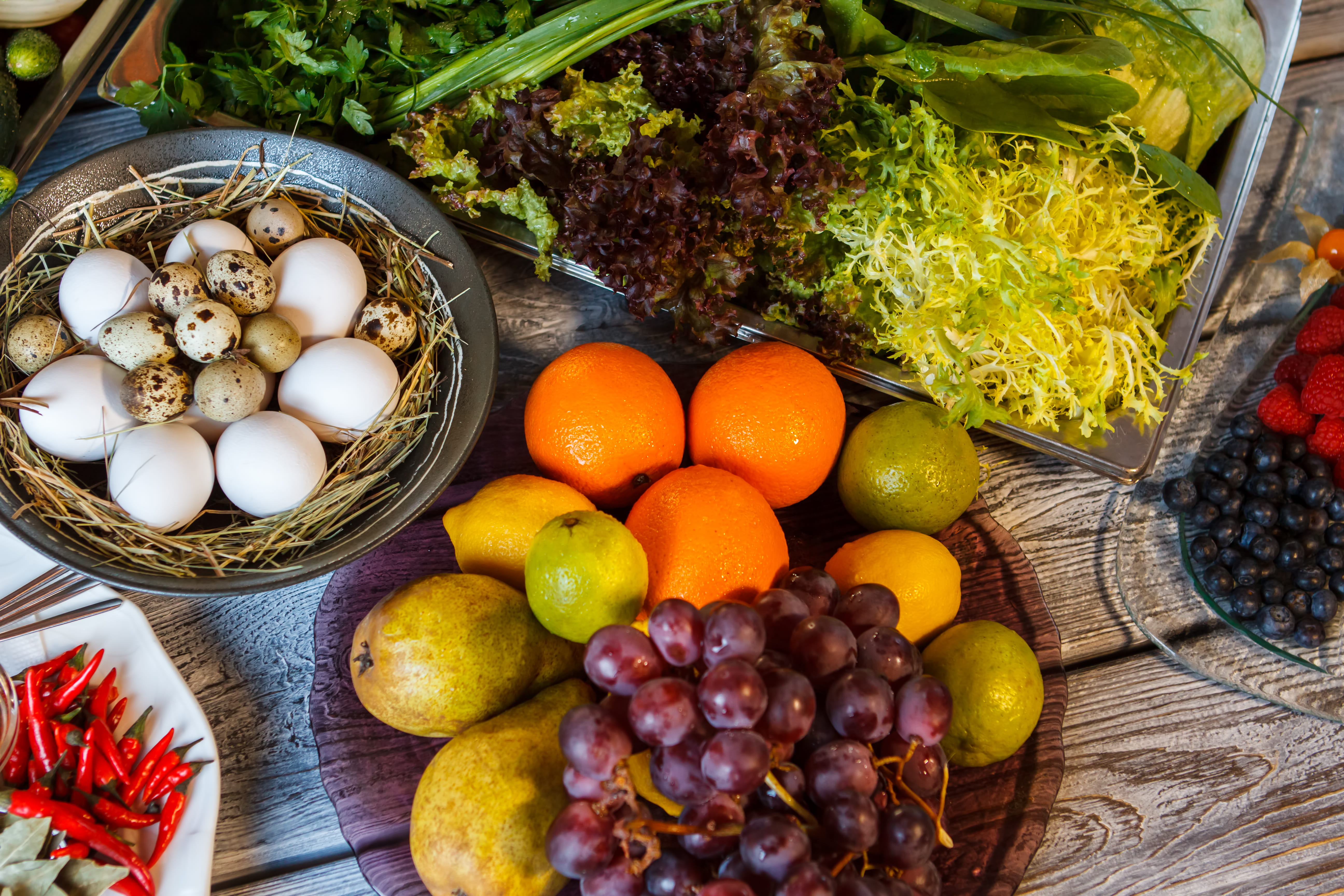
Take the following as an example of simple defensive foods:
- Milk (vitamins D and calcium)
- Spinach (Iron and folate)
- Carrots (vitamin A)
- Oranges (vitamin C)
- Eggs (many vital nutrients)
These are all defensive foods you should eat regularly to stay healthy.
Types of Protective Foods
Defensive or protective foods may be classified according to the nutrients they provide.
1. Fruits
Fruits are a source of vitamins, antioxidants, and dietary fiber. For instance, citrus foods like oranges and lemons help boost immunity, and bananas are a source of potassium.
2. Green Leafy Vegetables
Blood and bone boosting greens like spinach, kale, and fenugreek leaves are a source of iron, calcium, and folic acid.
3. Milk and Dairy Products
Yoghurt, milk, and cheese are sources of calcium and vitamin D, which are necessary for strong bones and teeth.
4. Eggs
Eggs are a rich source of high-quality protein and vitamin B12 and other nutrients necessary for the repair of tissues and functioning of the brain.
5. Pulses and Legumes
Pulses and legumes may be mainly classified as body-building foods, but they also contain protective and beneficial minerals and antioxidants.
Protective Food Chart
Below is a simple protective food chart for better understanding:
| Food Category | Nutrients Provided | Health Benefits |
|---|---|---|
| Citrus Fruits | Vitamin C | Boosts immunity |
| Green Leafy Vegetables | Iron, Folate | Prevents anemia |
| Milk & Dairy | Calcium, Vitamin D | Strengthens bones |
| Carrots | Vitamin A | Improves vision |
| Eggs | Protein, B Vitamins | Supports growth and repair |
| Nuts & Seeds | Vitamin E, Healthy Fats | Protects cells from damage |
This protective food chart helps identify foods that should be included daily for balanced nutrition.
Safe Handling and Protective Foods
Protective foods are foods that are prepared and cooked in a way that are both protective and safe. This is referred to as the methods of food protection and the food protection methods.
Food protection describes the ways in which protective foods are kept safe from contamination. Safe storage, safe handling, and safe cooking methods ensure that food is safe and that the protective qualities of the food are not lost.
Methods of Food Protection
Food protection methods include:
- Safe food storage
- Safe food handling
- Safe food cooking
- Use of safe water
- Cross-contamination prevention
These methods help keep the food safe and under control.
Food Preservation Methods and Safe Handling
Modern methods of food preservation include freezing, canning, and drying. These methods extend the useful life of the food while retaining its protective qualities of the food. Some protective foods are sensitive to preservation methods, and losing the protective qualities of the food can be avoided by eating them fresh.
Food that is frozen soon after harvesting is protected. Food that is free from excessive heating while canning is protected from the loss of heat-sensitive vitamins, such as vitamin C.
Protective Foods
Vitamins A, C, D and the mineral zinc aid the immune system. These protective foods boost the immune system and help to protect against illness.
Here are some examples of nutrients and their benefits:
- Improvement in the functions of white blood cells is correlated with Vitamin C.
- Vitamin A helps maintain the integrity of mucosal membranes.
- Immune cells are produced with the help of Zinc.
When the nutrients are in the correct balance, the optimal functions of the immune system are achieved.
Importance of Protective Foods in Early Childhood
As a result of the growth and developmental needs of children, their diet must be particularly nutrient-dense. Protective foods:
- Avoid growth stunting
- Aid in cognitive development
- Boost sickness resistance
- Fortify bones and teeth
During the early, formative years of life, a diet rich in a variety of child nutritional foods, including fruits, vegetables, milk, and eggs, is of critical importance.
Protective Foods and the Risk of Chronic Disease
The risk of chronic diseases is lowered by the regular intake of protective foods, which include:
- Cardiovascular Disease
- Type 2 Diabetes
- Some types of cancer
- Osteoporosis
The rich antioxidants contained in fruits and vegetables have the potential of lowering inflammation and oxidative stress, two serious risk factors of chronic diseases.
Safety of Nutrition in Food Processing
The food processing industry in India is only at the outset of its growth. Urbanisation and the adoption of convenience foods are key areas of focus. Processing of foods in a packaged format helps to extend their shelf life and increase their market presence.
Food safety and nutrition are key areas of focus. The nutritional integrity of packaged foods is always a high priority. Food processing industries are a key area of focus in nutritional safety. Minimise the risk of nutrient depletion and maximise the risk of contaminated food. Another example of processing food with added nutrients is fortified food.
Balanced Diets and Protective Foods
An example of a healthy and balanced diet includes:
- Energy-giving foods
- Bodybuilding foods
- Protective foods
The absence of any category of food is likely to lead to imbalances. Protective foods provide the body with regulators and defenders. Variety and moderation are the key.
Read Also : Food Fraud vs Food Defence: What’s the Difference?
Conclusion
To build a strong base for health, knowing what protective foods are is necessary. Fruits, milk, eggs and vitamin foods are all protective foods that help to build the body’s defences, protect against deficiency and promote general health. A good protective food definition is that the food provides the body with disease control and body regulation. Having a good list of protective foods helps to keep the body healthy.
Having good protective food methods helps to keep food safe. As food awareness in society is increasing, food processing in India is also evolving. Making informed choices when food awareness in society increases is essential. A balanced diet inclusive of protective foods is a simple and effective way of sustaining good health.
Frequently Asked Questions (FAQs)
Q1. Can protective foods help improve skin health?
Yes, protective foods rich in vitamins A, C, and E help maintain healthy skin by supporting collagen production and protecting against oxidative damage. Foods like berries, nuts, seeds, and leafy vegetables contribute to clearer skin and may slow visible signs of ageing.
Q2. Are protective foods important for elderly individuals?
Absolutely. Older adults require nutrient-dense foods to maintain bone density, immunity, and cognitive function. Calcium-rich dairy, vitamin B12 sources, and antioxidant-packed fruits are especially beneficial in reducing age-related health risks.
Q3. Do cooking methods affect the nutrient value of protective foods?
Yes, excessive heat or prolonged cooking can reduce certain vitamins, especially vitamin C and B-complex vitamins. Light steaming, sautéing, or consuming some vegetables raw can help preserve their protective nutrients.
Q4. How do seasonal fruits and vegetables enhance protective nutrition?
Seasonal produce is often fresher and richer in nutrients because it is harvested at peak ripeness. Consuming seasonal fruits and vegetables supports better nutrient intake and may provide higher antioxidant levels compared to long-stored produce.
Q5. Can protective foods support gut health?
Yes, many protective foods contain fibre and natural compounds that promote healthy digestion. Fruits, vegetables, and fermented foods help maintain beneficial gut bacteria, which support immunity, nutrient absorption, and overall digestive wellness.
Related Blogs
Food Science and Technology: Concepts, Applications, and Industry Relevance
Last Updated on March 24, 2026 by Admin Scientific breakthroughs,...
What are Protective Foods? Definition, Examples & Protective Food Chart
Last Updated on February 20, 2026 by Admin Good health...
What are Fermented Foods? Types, Benefits & Examples Explained
Last Updated on February 27, 2026 by Admin Over the...

Food Fraud vs Food Defence: What’s the Difference?
Last Updated on March 2, 2026 by Admin Table of...

Functions of Food & Functional Foods: Definition, Examples and Benefits
Last Updated on February 10, 2026 by Admin Table of...

What Is Fortified Milk? Meaning, Benefits & Examples
Last Updated on February 20, 2026 by Admin Table of...
Salting Food Preservation: Role of Salt as a Natural Preservative
Last Updated on March 18, 2026 by Admin Table of...
Food Technology Course: Details, Fees & Career Options
Last Updated on March 24, 2026 by Admin Table of...

Allergen Management Guidelines for Food Manufacturers
Last Updated on March 24, 2026 by Admin Table of...