


Last Updated on April 7, 2026 by Admin
Table of Contents
- What is a high fibre diet?
- Why are high fibre foods important?
- Daily Recommended Intake of Fibre
- Top 10 High Fibre Foods
- High Fibre Fruits and Vegetables /a>
- What is a Good Source of Fibre?
- How High Fibre Foods Support Digestion
- Foods With the Highest Fibre Content
- What Foods Have Fibre?
- Tips to Increase Fibre Intake
- Food Quality Assurance in Fibre-Rich Diets
- Conclusion
- Frequently Asked Questions
Balancing a diet is even more crucial with today’s hectic lifestyle. One major part of a nutritious diet that is often neglected is fibre. Once you understand which foods are high in fibre, and use it in your meals, your digestion, heart health, and overall health will improve. From legumes and whole grains to a variety of fruits and vegetables, high-fibre foods are a necessity for a healthy gut and the prevention of a variety of diseases. In this piece, we will look at the top 10 foods high in fibre and their benefits, in addition to daily fibre requirements and food quality assurance in your meals, and most importantly, your gut health.
What is a high fibre diet?
A high fibre diet consists of high fibre foods. Fibre is a type of carbohydrate that, for a multitude of reasons, is not fully digestible by the body. In fact, fibre is not broken down and is crucial to the digestive system. Fibre also helps blood sugar levels. Recognising what foods contain fibre is immensely helpful for individuals striving to improve their health.
Why are high fibre foods important?
The health benefits of high fibre foods for digestion include:
- Improves regular bowel movements
- Lowering cholesterol benefits heart health
- Weight management from increased satiety
- Blood sugar control
- A healthier gut microbiome
Preventive digestive disorders and health maintenance should include foods with the highest fibre content.
Daily Recommended Intake of Fibre
Consuming your daily recommended intake of fibre is vital to health. Typically:
- Adult males: 30 to 38 grams daily
- Adult females: 21 to 25 grams daily
Due to numerous factors, your daily fibre needs will differ from these figures. A good practice is to eat a variety of fibres to ensure fullness and a regular intake of nutritious food.
Top 10 High Fibre Foods
Use this top 10 fibre foods list to achieve your nutritional goals:
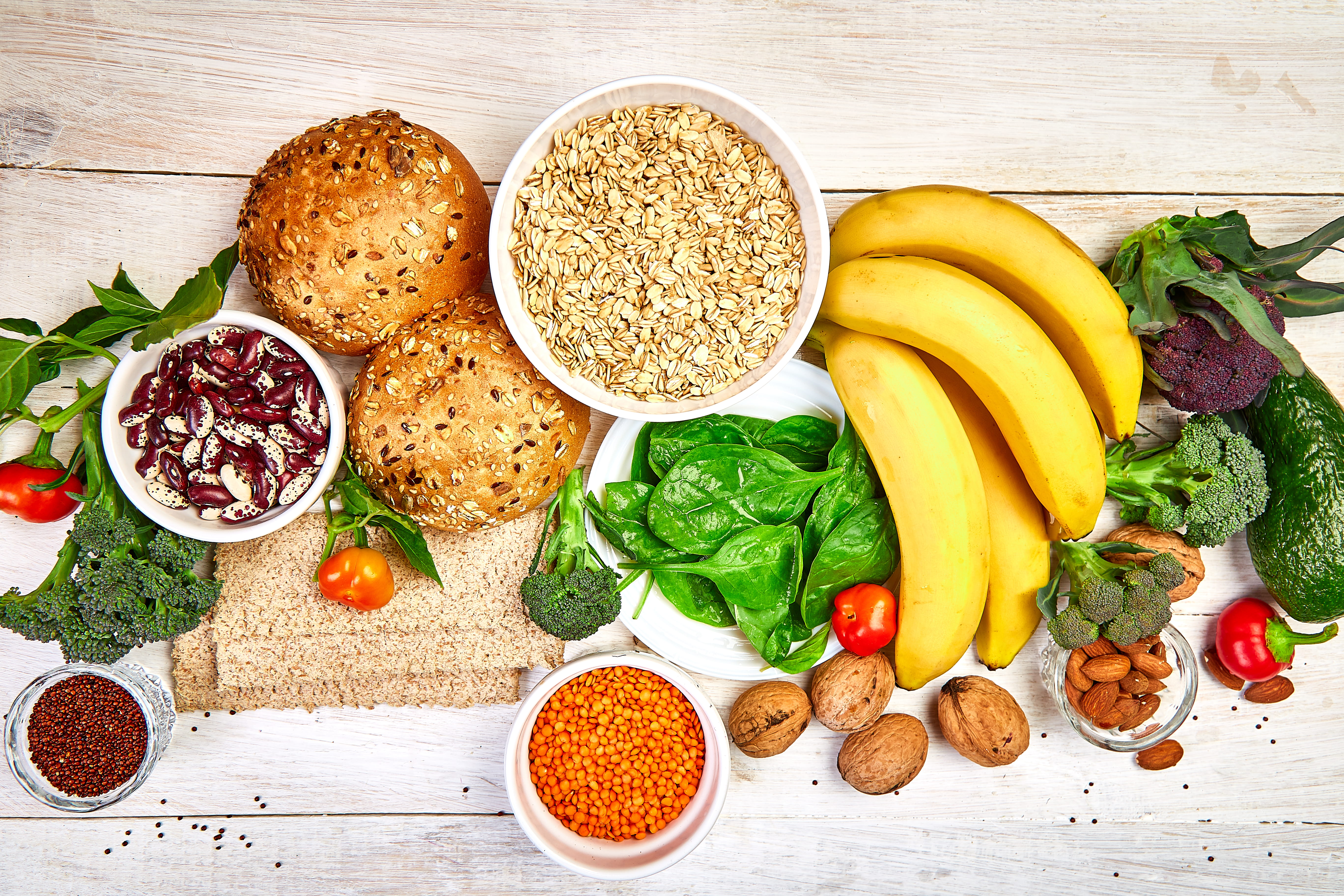
- Oats: Oats are a good source of fibre. The important thing is that this soluble fibre supports heart health and cholesterol management.
- Lentils: Lentils are a good source of fibre and protein, so they’re great for digestion and giving you sustained energy.
- Chia Seeds: Chia seeds are rich in fibre and omega-3 fatty acids, which support heart and gut health and help lower cholesterol.
- Apples: Apples are among the most common fruits high in fibre because they contain fibre in both their soluble and insoluble forms.
- Broccoli: Along with essential vitamins and powerful antioxidants, Broccoli is among the ”high fibre fruits and vegetables” which contain a lot of fibre.
- Whole Wheat: Whole grains, like whole wheat, are an excellent source of high-fibre foods, which help with digestion and provide a steady source of energy.
- Almonds: Almonds are a great source of fibre, making them great for heart and brain health.
- Sweet Potatoes: Sweet Potatoes have fibre and essential nutrients, making them ideal for general health.
- Beans (Black, Kidney, Chickpeas): Beans are among the foods with the highest fibre content. They are great for plant-based diets and for digestion.
- Pears: Pears are an excellent source of fibre and are great for digestion. They are also naturally sweet.
High Fibre Fruits and Vegetables
Eating a variety of high-fibre fruits and vegetables is important for a balanced diet. Some higher fibre options are:
- Fruits: Bananas, oranges, berries
- Vegetables: Carrots, spinach, kale
These options will help meet daily fibre goals and improve general health and immune system function.
What is a Good Source of Fibre?
A good source of fibre has a minimum of 3 grams of fibre per serving. Most whole grains, legumes, fruits, and vegetables fall into this range, so including a variety of these foods will help meet the daily recommended intake of fibre.
How High Fibre Foods Support Digestion
Eating high fibre foods for digestion benefits overall gut health by:
- Encouraging consistent bowel movements
- Reducing risk of constipation
- Nourishing friendly gut bacteria
The digestive system works better and more efficiently with the addition of fibre.
Foods With the Highest Fibre Content
If your goals are focused on maximum intake, concentrate on foods with the highest fibre content, including:
- Legumes (lentils, beans)
- Seeds (chia, flaxseeds)
- Whole grains
These foods are very nutritious and help meet daily fibre needs seamlessly.
What Foods Have Fibre?
Knowing what foods have fibre should be essential in developing a diet. Foods that have fibre include:
- Foods that are made from plants, including whole grains.
- The fresh produce section, both fruits and vegetables.
Including a variety of items should ensure both soluble and insoluble fibre.
Tips to Increase Fibre Intake
- Whole-grain meals
- Vegetables and fruits in meals
- Unprocessed foods
- Drink water to help digest the fibre.
If discomfort from digestion and absorption occurs, do this gradually.
Food Quality Assurance in Fibre-Rich Diets
When it comes to fibre-rich foods, remember food quality assurance. The most nutritious food items are fresh, organic, and minimally refined. The integrity of food, maintaining quality and safety, should always be a priority in the proper storage and hygienic sourcing.
Also Read: What Are the 5 Food Groups? Nutrition & Safety Guide
Conclusion
Adding high-fibre foods to your daily routine is an effective way to enhance your well-being. Fibre is essential for good health because it aids digestion and lowers the chances of developing chronic diseases. Increasing your daily fibre needs is all about including foods from the top 10 high fibre foods list and knowing what a high fibre diet is. By focusing on the variety and quality of foods in your diet, along with proper food hygiene, you can ensure it is healthy and balanced. Take the first step today and reap the health benefits that come with a diet rich in fibre.
Frequently Asked Questions
Related Blogs
What Are Probiotic Foods? Benefits, Examples & Food List
Last Updated on April 7, 2026 by Admin Table of...


Food Irradiation in the Food Industry: Process, Symbol & Examples
Last Updated on April 7, 2026 by Admin Table of...
Top 10 High Fibre Foods: Benefits, Sources & Daily Fibre Intake Guide
Last Updated on April 7, 2026 by Admin Table of...

Food Science and Technology: Concepts, Applications, and Industry Relevance
Last Updated on March 24, 2026 by Admin Scientific breakthroughs,...

What are Protective Foods? Definition, Examples & Protective Food Chart
Last Updated on February 20, 2026 by Admin Good health...

What are Fermented Foods? Types, Benefits & Examples Explained
Last Updated on February 27, 2026 by Admin Over the...

Food Fraud vs Food Defence: What’s the Difference?
Last Updated on March 2, 2026 by Admin Table of...

Functions of Food & Functional Foods: Definition, Examples and Benefits
Last Updated on February 10, 2026 by Admin Table of...