


Last Updated on March 18, 2026 by Admin
Table of Contents
- Is Salt a Preservative?
- Scientific Basis of Salting Food Preservation
- Salting Method of Food Preservation
- Food Preservation with Common Salt
- Examples of Food Preservation with Salt
- Other Food Preservation Methods Available
- Utility of Salt in Food Preservation in the Food Industry
- Disadvantages of Not Using Salting as a Method of Preservation
- Food Preservation Salt Risks
- Technological Advances in Practises of Salting on A Global Scale
- Salting and Food Safety Regulations
- Historical and Cultural Importance of Salting
- The Scope of Salting in the Future of Preservatives
- Conclusion
- FAQs
The history of preserving food stretches back to a time when humans had not yet developed refrigeration and modern storage technology. Of all the traditional methods to extend the lifespan of food, one of the most widely and reliably used methods is salting for food preservation. Salt has been utilised to maintain food quality and extend shelf life from ancient empires to contemporary food industries. Many people ponder whether salt is a preservative and how salt actually prevents spoilage of food.
Knowledge of the role of salt in food preservation explains the reason for its concern in households and industrial processing, even in contemporary times. Food preservation techniques, both traditional and modern, are still supported by a food industry body such as FICSI. In this blog, we address how and why salt works as a preservative, methods, examples, advantages, and its significance to food technology.
Is Salt a Preservative?
To answer the question is salt a preservative, taking into account a variety of perspectives and criteria, could be a Yes. Salt has the ability to prevent the growth of the microorganisms that spoil food. Salt, by drawing moisture out of the food and the microbes, creates an atmosphere in which bacteria, molds, and yeasts are unable to live.
For centuries, many different cultures around the world have used food preservatives, one such being salt.
Scientific Basis of Salting Food Preservation
Food can be stored and preserved using salt, but only scientifically can we understand the reason.
Key Mechanisms
- Osmosis: Microbial cells can get dehydrated, and salt can help kill them by making them lose their water.
- Reduced water activity: During storage, if there is enough moisture in the food to support microbial growth, it cannot spoil.
- Enzyme inhibition: Many spoilage-causing enzymatic reactions are accelerated in the presence of moisture.
Thus, from a scientific perspective, these are the reasons why salt is used in the preservation of food.
Salting Method of Food Preservation
The method of food preservation by salting is simple – salt is sprinkled or mixed into food products, and it inhibits their growth by causing their death.
Types of Salting Methods
1. Dry unsalted salt
Salt is rubbed or sprinkled over the surfaces of the food.
Typical uses:
- Fish
- Meat
- Vegetables
2. Wet Salting (Brining)
The food is submerged in a saltwater solution.
Typical uses:
- Pickles
- Cheese
- Olives
3. Combined Methods
Preservation is also improved by combining salting with either drying or smoking. These different methods also form the basis of many of the modern preservation systems.
Food Preservation with Common Salt
Food preservation with common salt is a common practice, both in domestic kitchens and in industrial settings.
Food Items Preserved with Salt
- Seafood and fish
- Fruits and vegetables
- Meat and poultry
- Products of the dairy industry
Aside from its unique taste, salt enhances the texture of food and adds to the shelf life of foods.
Examples of Food Preservation with Salt
Examples of food preservation with salt show us how this practice is applied.
Examples from the Past
- Stockfish, bacalao (fish preserved with salt)
- Sausages, Bacon, and Ham (cured meat)
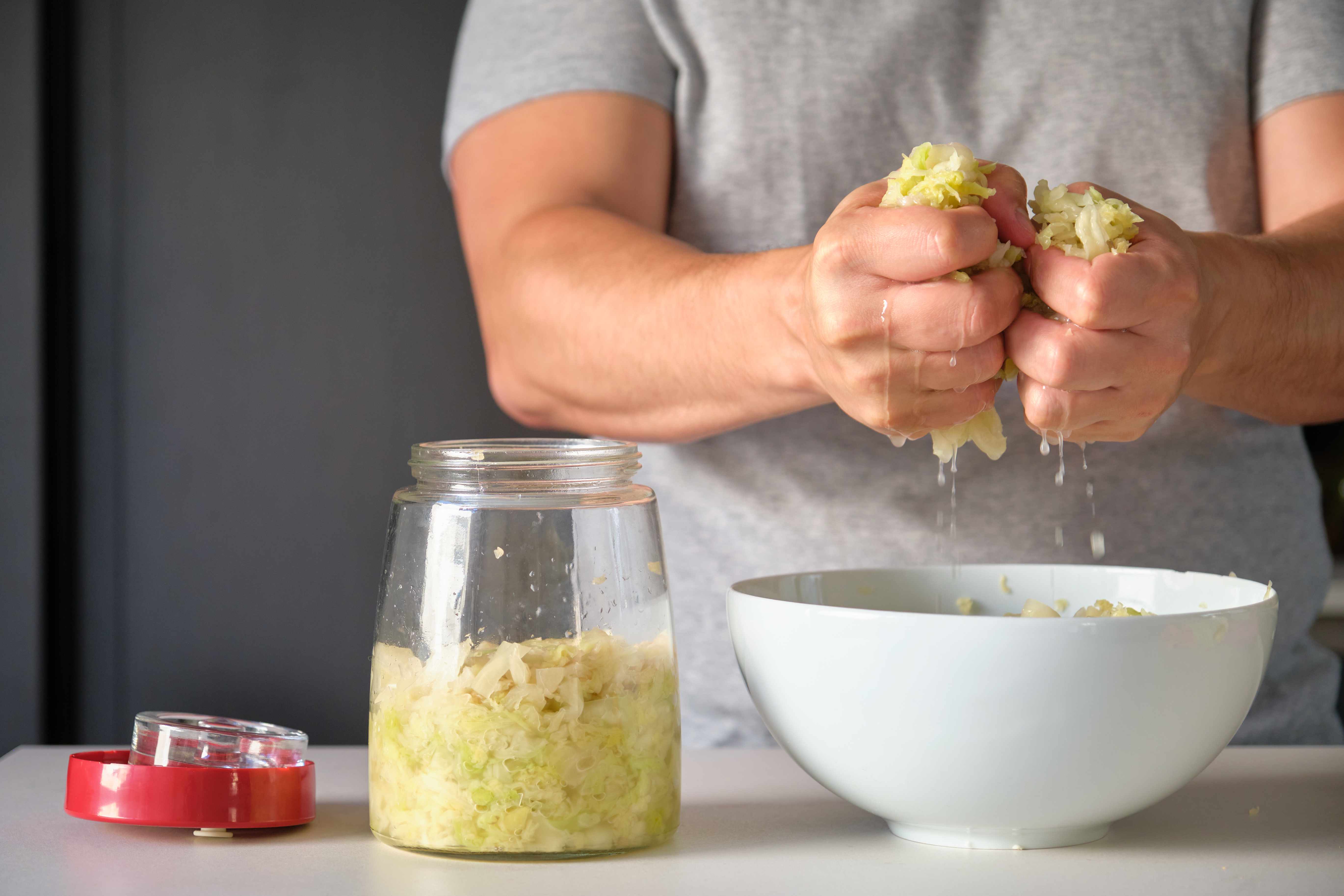
- Sauerkraut, and Kimchi (vegetables in salt)
- Salted Amla and Salted Mango (salted fruits)
Examples from Industry
- Processed meat
- Snack food
- Cheese
- Instant Food
- Ready-to-eat food
These examples show how salt is used in many different ways in food preservation.
Other Food Preservation Methods Available
Salting is one of many food preservation methods that can be used in food science.
Important Food Preservation Methods
- Freezing and Refrigerating
- Dehydration and Drying
- Canning
- Preservatives (Chemical)
- Packaging (Vacuum)
- Fermentation
Salting certainly has cost, and energy benefits compared to modern methods that still help its principles remain applicable today.
Utility of Salt in Food Preservation in the Food Industry
Salt, in the food processing industry, besides being a preservative, has several other uses.
Industrial Functions
- Enhances flavor
- Improves texture
- Microbial control
- Food product stabilisation
FICSI, the food processing skill and quality standard organisation, highlights the value of fully integrating traditional practice and modern technology.
Disadvantages of Not Using Salting as a Method of Preservation
1. Cost
Natural salt is inexpensive.
2. Food Storage Time
Salting is a method of food preservation and directly impacts the length of food storage time.
3. Simple and Flexible Technology
Salting as a method of food preservation is adaptable to various levels of technology.
4. Food Value
Salting as a method of food preservation is a practice of archaic food routines of almost all civilisations of the world.
These are the most common arguments to support salting as a method of food preservation and have continued for many years.
Food Preservation Salt Risks
Although salting has advantages, it has some food preservation disadvantages.
- Health Risks: Salting increases the risk of salt-induced high blood pressure, heart attacks, and other heart-related diseases.
- Overpowering Food: Food may become unpalatable due to the high use of salt.
- Vitamin Preservation Degradation: Some forms of vitamin preservation may become degraded.
Keeping a balance of salt will help keep these risks to a minimum and keep salting food preservation a safe practice.
Technological Advances in Practises of Salting on A Global Scale
Modern Advancements in food tech have enhanced contemporary salting practices.
New Developments
- New technology for controlled systems of salting
- Packaging with smart salt combined with preservatives
- Mixed methods of preservation
- Brining systems
All of the above products comply with governmental and global health initiatives and industry guidelines such as those set by FICSI.
Salting and Food Safety Regulations
Food safety guidelines and organisations have set rules on how much salt can be used on food.
These are some of the main examples.
- Standardised salt usage
- Hygienic practices
- Quality control
The use of salt in methods of food preservation methods is safe and sustainable.
Historical and Cultural Importance of Salting
Salting of food is something almost all cultures have practised and developed in different ways, sometimes from the curing of meat in the Mediterranean sea to the pickling of vegetables in Asia, and Salting has been an integral part of the food heritage.
These dimensions of culture wrap the historical and social value in the preservation of food.
The Scope of Salting in the Future of Preservatives
As the demand for the use of preservatives of a more natural origin increases, the use of salting becomes more prevalent.
Future Needs
- Innovative and health-driven salting methods
- Use of biotechnology
- Practices in sustainable food preservation
The progressive role of salt embodies tradition intertwined with modern practices.
Read More : Importance of Food Preservation: Ensuring Nutrition and Sustainability
Conclusion
Food preservation using salt is one of the oldest and most reliable methods. While describing the practical uses of salt as a food preservative, its scientific principles, and its practical usefulness, the use of salt in food preservation is easily understandable. The importance of the preservation of food by means of the salting method in domestic kitchens, as well as its large-scale industrial use by organisations like FICSI, is highly valued. There is a clear answer to the question: What does salt do? In addition to the preservative purpose of food salting, there are many common methods of food preservation, but the use of salt as a preservative is still a good practice when used in moderation.
FAQs
Generally, higher moisture foods like meat and fish require more salt than vegetables. In brining, salt
concentration usually ranges from 5% to 20%, while dry salting may require thicker salt layers to ensure
microbial control.
preservation because iodine and anti-caking agents may slightly affect flavour, colour, and fermentation
processes. For traditional curing and pickling, coarse rock salt or sea salt is commonly recommended.
reducing water activity. Some salt-tolerant bacteria may survive, which is why salting is often combined
with drying, smoking, or refrigeration for enhanced safety.
compared to refrigeration or freezing. It also reduces food waste by extending shelf life, making it
an environmentally friendly preservation technique when used responsibly.
drying or cooking, but it does not significantly affect protein or mineral content. However,
excessive salt intake may pose health risks, so balanced consumption is important.
Related Blogs
What Are Probiotic Foods? Benefits, Examples & Food List
Last Updated on April 7, 2026 by Admin Table of...

Food Irradiation in the Food Industry: Process, Symbol & Examples
Last Updated on April 7, 2026 by Admin Table of...
Top 10 High Fibre Foods: Benefits, Sources & Daily Fibre Intake Guide
Last Updated on April 7, 2026 by Admin Table of...

Food Science and Technology: Concepts, Applications, and Industry Relevance
Last Updated on March 24, 2026 by Admin Scientific breakthroughs,...
What are Protective Foods? Definition, Examples & Protective Food Chart
Last Updated on February 20, 2026 by Admin Good health...
What are Fermented Foods? Types, Benefits & Examples Explained
Last Updated on February 27, 2026 by Admin Over the...

Food Fraud vs Food Defence: What’s the Difference?
Last Updated on March 2, 2026 by Admin Table of...

Functions of Food & Functional Foods: Definition, Examples and Benefits
Last Updated on February 10, 2026 by Admin Table of...