


Last Updated on March 6, 2026 by Admin
Table of Contents
- What is Jam and Jelly Processing?
- History of Jam and Jelly as a Preservation Method
- Why Choose Food Preservation Jellying?
- What Jelly Is Made Of
- Step-by-Step Processing of the Jam
- Step-by-Step Jelly Food Preservation
- How to Preserve Jam and Jelly
- Kinds of Jams
- Benefits of Jam and Jelly Preservation
- Difficulties and Problems According to Jam and Jelly Processing
- Career Opportunities: Jam, Jelly, and Ketchup Processing Technician Course
- Conclusion
- Frequently Asked Questions
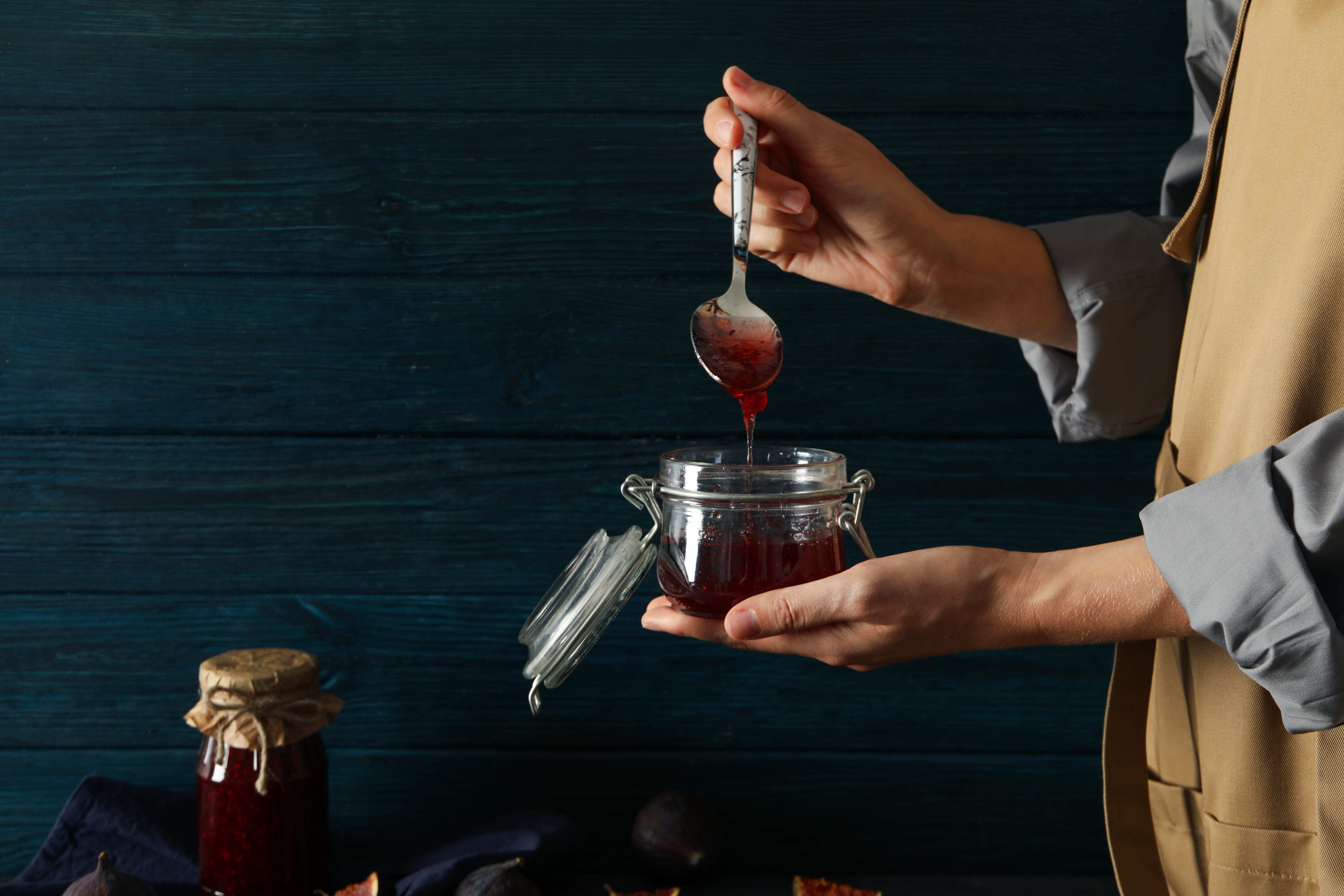
As far back as human civilisation goes, food preservation has been done so in a manner that allows food to be stored and enjoyed all throughout the year. One might say that the most loved yet scarce methods of preserving fruits to date are by jam and jelly processing. This makes the fruits more shelf-stable and provides an added bonus of products enjoyed across the world in association with bread, cheesecakes, and other soft confections. This is what we aim to cover in this complete guide — the steps, the science, and most importantly, the importance of food preservation jellying. Not forgetting the more professional and academic side, we will also cover the jam, jelly, and ketchup processing technician course by FICSI.
What is Jam and Jelly Processing?
The technique of jam and jelly processing allows one to capture and store the essence of fruits in a jar. It is a more efficient version of food preservation as it focuses on fruits with the right amount of sugar, the right amount of fruit pulp or juice, and the right amount of heated air. People have been able to store the fruit spreads without spoilage for months on end. This makes this technique a bottling method in which all primary constituents of a fruit are utilised. It also maintains their original properties while eliminating all microorganisms within and around. Hence, it is a self-sufficient source of seasonal fruits.
- Jam: A concentrated concoction produced from cooking crushed fruits in a pulp with sugary syrup alongside a blend of thickener agents.
- Jelly: It is an opaque and thick spread made from melted fruit along with sugar and pectin. Also, no fruit pulp is contained in jam, unlike fruit.
Both fall under jam jelly preserves, along with marmalades and chutneys.
History of Jam and Jelly as a Preservation Method
The method of preserving jam has been around for centuries. Boiling fruit and honey in ancient civilisations was a way to preserve fruit. When sugar was used, the process of making jam jelly preserves spread more widely. In the 19th century, jam factories began to commercialise and are now available in households throughout the world.
Why Choose Food Preservation Jellying?
Every technique of food preservation has its advantages. Jellying has its benefits also:
- Flavour Retention – It maintains the taste of vegetables.
- Shelf Life – They can last for months in proper conditions.
- Space – Jars filled can be stored easily without taking up much space.
- Nutritional Value – A reasonable amount of vitamins is preserved even with the added sugar.
This makes jelly food preservation a preferred strategy for both household and commercial use.
What Jelly Is Made Of
In order to understand what jelly is made of, we need to look at the primary components:
- Fruit Juice – The defining flavour and scent.
- Sugar – Acts as a sweetener and a means of preservation.
- Pectin – A natural fibrous component of certain fruits, which allows them to form a jelly-like consistency.
- Acid (e.g. lemon Juice) – Aids in gel formation and balances flavours.
These components, in the right mixes, determine the jelly’s ability to set and be preserved for prolonged periods.
Step-by-Step Processing of the Jam
Processing the jam is a straightforward but scientific method:
- Selection of Fruits – Fruits that are ripe and of good quality are selected.
- Washing and Sorting – Done to get rid of all the dirt and any pieces that are rotten or damaged.
- Pulp Extraction – Fruits are crushed to obtain pulp.
- Cooking with Sugar – Pulp is made to boil with sugar until it thickens in consistency.
- Pectin and Acid Addition – Assists in the gelling and setting of the mixture.
- Boiling and Concentration – The mixture is concentrated and attains the desired consistency.
- Filling and Sealing – Hot Jam is poured into jars that have been sterilised and sealed.
- Cooling & Storage – After cooling, jars are kept in a cool, dry location.
The method of preservation of jam uses the following steps in order to ensure that the product retains its safety and taste for an extended period.
Step-by-Step Jelly Food Preservation
Similar to jam, jelly food preservation follows a stepwise pattern:
- Fruit Juice Extraction – Juice is obtained by boiling the fruit and straining.
- Mixing with Sugar & Pectin – Juice is mixed with sugar and pectin.
- Boiling to Gel Point – The mixture is boiled until thick and gelatinised.
- Hot Filling & Sealing – The jelly is filled in and sealed on sterilised containers.
- Cooling & Storage – The jelly jars are cooled and stored for further use.
Balancing sugar, pectin, and acid to create jelly is crucial for achieving a smooth and firm.
How to Preserve Jam and Jelly
A frequent inquiry is how to preserve jam. The answer pertains to the reckless, misplaced wraps along with the storage:
- Jar Sterilisation – Avoids the risk of contamination.
- Hot Sealing – Guarantees airtight packaging.
- Storage – Products kept in a cool, dry location can last for many months.
- Refrigeration – Once opened, jars should be kept in the refrigerator in order to prevent spoilage.
The long shelf life and safety of jam are a result of this good and reliable explanation of how to preserve jam.
Kinds of Jams
Jams are differentiated according to the kinds of fruits used to produce them.
- Strawberry Jam – Exceptionally wide popularity.
- Mango Jam – Golden fruit of sweetness.
- Mixed Fruit Jam – A combination of a variety of fruits.
- Apricot Jam – Sweet and rich with a hint of tartness.
- Guava Jam – Widespread in regions with a warm climate.
While the variety is different for each kind with respect to the steps of jam processing, they mostly remain the same.
Benefits of Jam and Jelly Preservation
There are a variety of food preservation techniques and these of jam and jelly possess certain benefits.
- Along with off-season fruits, fruits for the rest of the year are also available owing to preservation.
- Surplus fruits are available for less payment, along with the chance of reducing food wastage.
- Spreads that are inexpensive and require little food preparation are easy to provide.
- Freshly made or manufactured on a large scale at affordable prices, they provide a good source of income.
These are all the reasons why jelly and jam preserves are so beloved in households and the food industry.
Difficulties and Problems According to Jam and Jelly Processing
There are certain things that are effective, and so also difficulties that are problems for jam and jelly processing.
- High Sugar Content: Not recommended for diabetic patients.
- Pectin Problems: There is not enough pectin in certain fruits, so they require an extra addition.
- Storage conditions: Substandard sealing may create conditions for spoilage.
- Market competition: The presence of numerous commercial brands offers stiff competition for small-scale producers.
Maintaining competition, this method continues to be widely accepted as a food preservation technique.
Career Opportunities: Jam, Jelly, and Ketchup Processing Technician Course
As a response to the soaring population of preserved food consumers, courses such as the jam, jelly and ketchup processing intervenor are rapidly emerging. During such courses, students learn:
- The fundamentals of jam making as well as the jelly preservation technique.
- Workplace Operations
- Regulatory compliance and sanitary practices.
- Entrepreneurial education for small-scale food processing businesses.
This stands as preparatory work for an individual willing to work within the food processing industry or to pursue self-employment within the preservation industry.
Read More : Various Kinds of Food Processing Technology Course from The House Of FICSI
Conclusion
The method by which jam and jelly are processed serves as a testament proving that food preservation does not have to be complex, as the end products can be widely accepted by consumers. “What is Jelly Made Of” and “The Preservation Method of Jam” are a few of the pillars of food science that also have significant historical context. This knowledge, along with the documents and training served from the jam, jelly and ketchup processing technician course, is ample for someone to achieve a beneficial position within the industry.
In doing so, we not only enjoy using delectable spreads, but we also reduce food waste and engage in sustainable food practices.
The Jam, Jelly, and Ketchup Processing Technician Course by FICSI trains students in food preservation techniques, hygiene, quality control, and small-scale production skills, preparing them for careers in the food industry or entrepreneurship in jam, jelly, and ketchup processing. Contact us for more details.
Frequently Asked Questions
Related Blogs
Food Science and Technology: Concepts, Applications, and Industry Relevance
Last Updated on March 24, 2026 by Admin Scientific breakthroughs,...
What are Protective Foods? Definition, Examples & Protective Food Chart
Last Updated on February 20, 2026 by Admin Good health...
What are Fermented Foods? Types, Benefits & Examples Explained
Last Updated on February 27, 2026 by Admin Over the...
Food Fraud vs Food Defence: What’s the Difference?
Last Updated on March 2, 2026 by Admin Table of...

Functions of Food & Functional Foods: Definition, Examples and Benefits
Last Updated on February 10, 2026 by Admin Table of...
What Is Fortified Milk? Meaning, Benefits & Examples
Last Updated on February 20, 2026 by Admin Table of...
Salting Food Preservation: Role of Salt as a Natural Preservative
Last Updated on March 18, 2026 by Admin Table of...

Food Technology Course: Details, Fees & Career Options
Last Updated on March 24, 2026 by Admin Table of...

Allergen Management Guidelines for Food Manufacturers
Last Updated on March 24, 2026 by Admin Table of...