


Last Updated on August 26, 2026 by Admin
Table of Contents
- Overview
- Introduction
- What Is Instant Food And How Is It Different From Ready to Eat?
- Types of Instant Food Available in India Today
- Understanding the Scale and Momentum Behind India’s Convenience Food Growth
- How the Demand for Healthier Options Is Reshaping What Instant Food Looks Like
- The Practical Realities Behind Building a Sustainable Convenience Food Brand
- Food Packaging Requirements
- Distribution Realities
- Conclusion
- Frequently Asked Questions
Overview
The way India eats is changing faster than at any point in its culinary history. Longer working hours, urban migration, smaller households, and a generation comfortable with technology-driven convenience have collectively reshaped what people cook – and increasingly, whether they cook at all. Ready-to-eat food and instant food products have moved from emergency backup options to mainstream daily choices for millions of Indian consumers. This blog covers what these categories are, how the packaged food industry in India has grown around them, what drives people to choose them, and where the ready-to-eat food market is headed.
Introduction
There was a time when pulling a complete Indian meal out of a packet felt like a compromise, something you’d resort to only when there was no other option. That feeling has changed completely. Today, ready-to-eat food and instant food are deliberate, regular choices for a growing number of Indian consumers who want convenience without giving up on taste or quality.
The shift is visible everywhere, in supermarket shelves dedicated entirely to instant packaged food, in the speed at which new brands are launching instant Indian food products, and in the way quick commerce platforms have made a hot meal accessible within minutes of ordering. Understanding what’s driving this change and what it means for consumers and businesses alike is worth paying attention to.
What Is Instant Food And How Is It Different From Ready to Eat?
- Instant food is any food product that needs minimal effort to prepare, usually just adding hot water, a quick stir, or a brief microwave session. The key is speed. You’re not cooking from scratch; you’re finishing something that’s already been largely prepared for you.
- Ready-to-eat food goes one step further. There’s nothing to prepare at all. The food is fully cooked, sealed, and ready to consume straight from the packet, or after a simple reheat. Think of a retort-pouched dal or a pre-cooked rice pouch.
- Convenience food is the broader category that covers any food designed to save time and effort in the kitchen. Both ready-to-eat food and instant food sit squarely within this definition, and both are growing rapidly in India for the same underlying reasons.
Types of Instant Food Available in India Today
The types of instant food available to Indian consumers have expanded well beyond the instant noodles that most people associate with the category. Today, the range is genuinely wide.
Complete Meals and Meal Bases
Full meal options that require nothing more than reheating are the core of the ready-to-eat food segment in India.
- Retort-pouched curries, dals, and rice combinations
- Pre-cooked grain and lentil pouches
- Shelf-stable complete meal options for travel and outdoor use
Breakfast and Snack Products
Quick morning options and snacks that suit time-pressed daily routines without requiring any real cooking skill.
- Instant oats, porridge, and multigrain breakfast mixes
- Instant upma, poha, and idli mixes, the heart of the familiar instant Indian food segment
- Nutrition bars and fortified snacks are marketed as instant energy-giving food for people on the move
Instant Beverages
Single-serve and bulk formats that need only water to become a complete drink.
- Instant coffee and tea premixes
- Health drink powders and protein shake sachets
- Instant soups and flavoured drink concentrates
Instant Noodles and Pasta
Still one of the most recognisable and widely consumed instant food products in India, and a segment that has grown significantly beyond its original single-flavour format.
- Standard wheat noodles in multiple flavour variants
- Multigrain and millet-based noodles targeting health-aware consumers
- Rice noodle formats catering to regional and dietary preferences
Understanding the Scale and Momentum Behind India’s Convenience Food Growth
The packaged food industry in India has gone from a relatively niche category to one of the country’s most commercially exciting food segments, and the growth shows no signs of slowing.
The Numbers Worth Knowing
India’s ready-to-eat food market was valued at approximately USD 1.5 billion in 2023 and is growing at 16–18% annually, one of the fastest growth rates in any Indian food category. The broader packaged food industry in India is projected to reach USD 70 billion by 2025, with instant packaged food consistently among its fastest-growing segments.
What’s Driving People to Choose These Products
Several things are happening simultaneously that are pushing more Indian consumers toward ready-to-eat food and instant food products:
- More people living in cities: urban life is busier and less conducive to daily cooking from scratch
- More dual-income households: when both partners work full-time, the time available for meal preparation shrinks significantly
- Smaller family sizes: cooking a full meal for one or two people often feels impractical when a portion-controlled packet is available
- Quick commerce: 10-minute delivery has made instant packaged food accessible in ways that weren’t possible even five years ago
- Post-pandemic habits: many consumers who tried ready-to-eat food during lockdowns have continued using it regularly since
Where Adoption Is Happening
Metro cities – Mumbai, Delhi, Bengaluru, Hyderabad – lead consumption. But the fastest growth is happening in Tier-2 cities like Pune, Jaipur, Ahmedabad, and Lucknow as modern retail expands and incomes rise. Regional preferences shape the category significantly – Southern India shows strong demand for instant Indian food formats like idli, dosa, and sambar mixes, while Northern and Western markets lean more toward instant curry and grain-based meal products.
How the Demand for Healthier Options Is Reshaping What Instant Food Looks Like
Instant energy-giving food is one of the most interesting developments within the broader convenience food category. As more Indian consumers pay attention to what they’re eating, not just how quickly they can eat it, demand for products that are both convenient and nutritionally meaningful has grown noticeably.
This segment includes:
- Fortified instant porridges with added vitamins and minerals
- Protein-rich instant meal options targeting fitness-focused consumers
- Millet-based instant mixes, ragi, jowar, bajra, that bring traditional Indian grains into a convenient format
- Whole-food energy bars made from dates, nuts, and seeds
The appeal cuts across demographics, working professionals who skip breakfast, students who need something quick between classes, athletes looking for fast nutrition, and elderly consumers for whom cooking a full meal has become physically difficult. For all of them, instant energy-giving food answers a real, everyday need.
The Practical Realities Behind Building a Sustainable Convenience Food Brand
The ready-to-eat food business has attracted significant entrepreneurial interest in India, and for understandable reasons. Consumer demand is growing, distribution has become more accessible through e-commerce, and the category has room for regional, health-focused, and premium positioning that new brands can genuinely own.
But building something sustainable requires getting a few fundamentals right from the beginning.
Food Packaging Requirements
Food packaging requirements for ready-to-eat food and instant packaged food in India are set by FSSAI. These aren’t optional guidelines; they’re legal requirements that every commercial food business must meet.
The basics include:
- A clear product name and full ingredient list
- Nutritional information per 100g or 100ml
- Allergen declarations where applicable
- Manufacturing and expiry dates
- Net quantity and batch number
- FSSAI licence number, mandatory for all commercially sold packaged food in India
- Storage and handling instructions
Getting packaging right matters for regulatory compliance, food safety, and consumer trust. Clear, accurate labelling builds the credibility that repeat purchasing depends on.
Shelf Life and How It’s Achieved
Shelf life is a commercial priority in ready-to-eat food and instant food products; it determines distribution reach, retail viability, and wastage rates. Common approaches used in the Indian market include:
- Retort processing: heat treatment that makes products shelf-stable for 12–24 months at room temperature; the standard for pouched curry and dal products
- Modified atmosphere packaging: extends the shelf life of fresh and chilled products without heavy processing
- Freeze-drying: premium method that delivers excellent flavour and nutritional retention; used in higher-value products
- Natural preservatives: salt, vinegar, and plant-based options are increasingly used by clean-label brands
Distribution Realities
Instant packaged food sold through ambient channels needs packaging that holds up through the temperature and humidity variations typical of Indian logistics. For chilled or frozen ready-to-eat food, cold chain infrastructure is a real operational challenge outside major cities, something any business targeting national distribution needs to plan for honestly.
Read More: Savoury Snacks: A Complete Guide to Making and Processing
Conclusion
Ready-to-eat food and instant food products have permanently changed how a significant and growing portion of India eats. The shift isn’t a temporary response to busy schedules; it reflects a bigger, structural change in how Indian households think about meal preparation and what they expect from the food they buy. For consumers, the category offers genuine convenience with improved food quality and better product accessibility. For businesses, the ready-to-eat food market represents one of the most compelling growth opportunities in Indian food today, provided the fundamentals of quality, compliance, and consumer trust are built in from the start.
Frequently Asked Questions
Related Blogs
What Are Nutraceuticals Types, Applications, and Industry Growth in India
Last Updated on September 21, 2026 by Admin Table of...
Natural and Artificial Preservatives in Food: A Complete Guide
Last Updated on August 31, 2026 by Admin Table of...
Different Types of Sugar in Food and Their Effects on Health
Last Updated on August 6, 2026 by Admin Table of...

Food Colours Explained: Types, Uses, Natural vs Artificial & FSSAI Guidelines
Last Updated on July 7, 2026 by Admin Summary Food...
What Is Added Sugar in Food? Types, Examples & Recommended Limits
Last Updated on August 26, 2026 by Admin Summary Added...
What Is Freeze-drying? Process, Benefits, Applications & Food Industry Uses
Last Updated on July 7, 2026 by Admin Summary Freeze-drying...
Functional Meals: Definition, Professionals, and you may Spends
Last Updated on July 6, 2026 by Admin Articles The...
Why Prebiotic Foods Matter for Gut Health and Digestion
Last Updated on August 5, 2026 by Admin Table of...
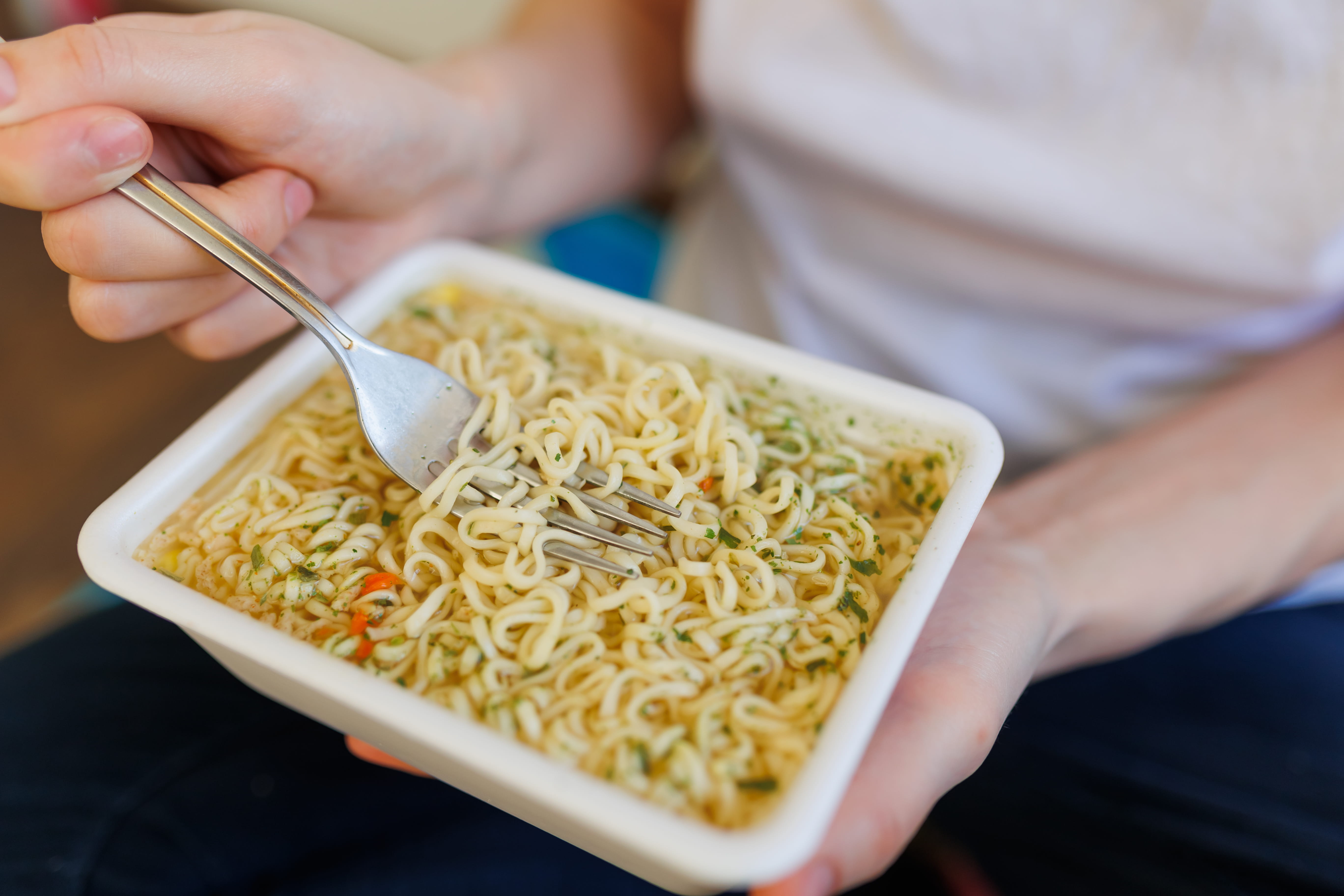
Ready-to-Eat and Instant Foods Transforming Modern Food Consumption
Last Updated on August 26, 2026 by Admin Table of...

What Are Emulsifiers in Food? Types, Uses & Natural Examples
Last Updated on June 1, 2026 by Admin Table of...