


Last Updated on July 6, 2026 by Admin
Table of Contents
- Overview Summary
- Introduction
- Food Spoilage Definition
- What is Spoilage in Food
- Types of Food Spoilage
- Causes of Food Spoilage
- Things That Make Food Spoil
- Food Spoilage Examples
- Food Spoiling Occurrences
- Food Spoiling Repercussions
- Food Spoiling Prevention Techniques
- Food Preservation Saving Grains
- Conclusion
- Frequently Asked Questions
Overview Summary
This blog explains food spoilage, covering its definition, causes, types, and real-life examples. It highlights key factors responsible for food spoilage and their impact on food quality, health, and the environment. The blog also outlines effective methods for the prevention of food spoilage and emphasises the Importance of Food Preservation for reducing waste and ensuring food security.
Introduction
Explaining why the understanding of Food Spoilage might be essential in the field of safety and quality of food is of great consequence to overall food safety and quality and the health of the population. A simple understanding of food spoilage shows that food may be unsafe or unfit for consumption due to the biological, chemical, or physical changes that occur in the food.
Today, the demand for food is x, and food spoilage has become important because over 1 billion tons of food around the globe is wasted, which shows how grave this problem is. Understanding the spoilage of food, the causative agents of spoilage and their methods of prevention will help to improve food security and reduce the wastage of food.
Food Spoilage Definition
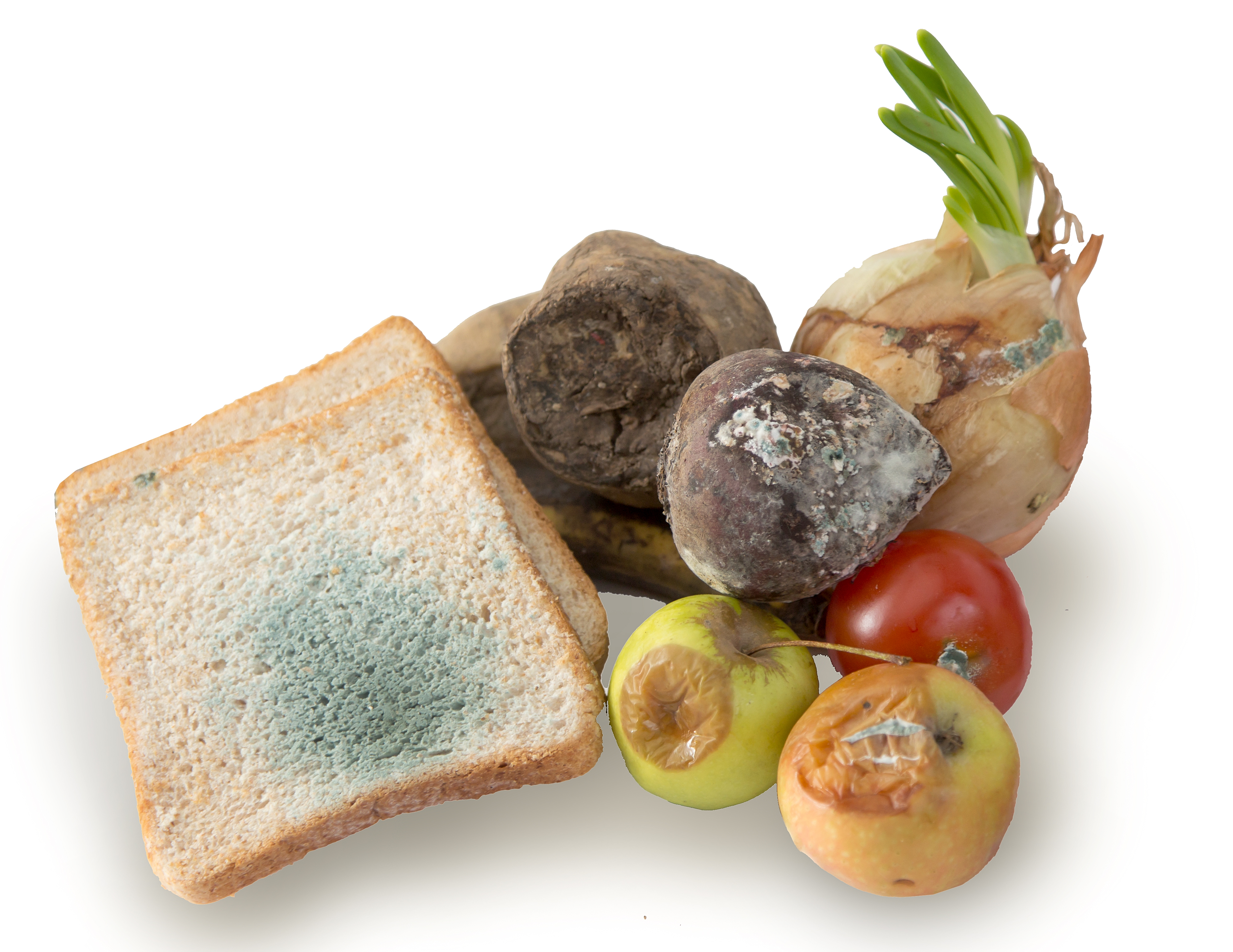
Food spoilage includes changes in the appearance, smell, and texture of food that become unsuitable for consumption. Loss of quality of food can be caused by the following methods: microbial, chemical, and physical. Consequently, food may slowly become unfit for consumption.
What is Spoilage in Food
Food Spoilage can be perceived as a constant cycle. It begins with the supply and distribution, and even to the point of the end consumer. Food components can be broken down through microbial, enzyme, and environmental factors, and this can result in discolouration and even changes that alter the structures of the food.
Types of Food Spoilage
Food spoilage has a range of types that show you how quality changes and, what’s more, how it alters safety.
Physical Spoilage of Food
- The signs of physical spoilage of food include changes to texture and appearance, and the absence of microbes.
- This includes things like moisture loss, freezer burn, bruising, and physical damage like cuts.
- This can happen with things like fruits and vegetables that can go soft and shrivelled.
- The appeal decreases, and the quality of the food further declines.
Chemical Spoilage of Food
- Chemical spoilage reactions like oxidation and hydrolysis.
- These reactions lead to rancid fats and a need to replace oils.
- This results in loss of nutrients.
- This is from things like air, light, and changes in temperature.
Microbial Spoilage
- Microbial spoilage is from bacteria, yeasts, and moulds that grow on food and cause spoilage.
- Food that has slime and bad smells has foul odours.
- Foods that spoil the easiest include dairy, meat, and foods that have already been cooked.
- This spoilage leads to waste and foodborne illnesses.
Causes of Food Spoilage
There is a variety of causes of food spoilage that show how the quality of the food decreases.
Microbial Growth
- Microorganisms need energy, which they obtain by breaking down food components.
- Microbial growth is rapid in warm and moist conditions.
- They create by-products and toxins that are unpleasant.
- They usually cause food to spoil.
Enzymatic Activity
- Enzymes remain active even after the food has been harvested.
- The enzymes’ activity results in ripening, browning, and softening of the food.
- Enzymes deteriorate the food’s taste and texture.
- This is seen in fruits and vegetables.
Chemical Reactions
- The oxidation process deteriorates fats and makes food rancid.
- Foods change in colour when they interact with oxygen.
- The actions can be sped up by light and heat.
- These limit the shelf life and nutritional content.
Environmental Conditions
- Food spoilage is dependent on temperature, humidity, and light.
- Microorganisms thrive with high humidity.
- Food spoils faster when not stored appropriately.
- This is also dependent on the season.
Things That Make Food Spoil
Several key things cause food to spoil.
Temperature
- Microbial growth is faster at high temperatures.
- Keeping food cold slows the spoiling process.
- This even freezes the food, making it last artificially longer.
Moisture Content
- Food spoilage is highly dependent on the moisture content.
- The risk of spoilage is even lower when food is dried.
Oxygen Availability
- Oxygen intake spoils food and makes the food taste bad.
- Food can be preserved longer with vacuum packaging.
pH Level
- Microbial growth is highly inhibited by the foods’ acidity.
- Food spoils faster when it has a neutral pH.
Food Spoilage Examples
Studies on food spoilage examples help with identifying spoilage in food on a day-to-day basis.
- Bacteria turn milk sour.
- Mould grows on bread.
- Fruit turns squishy and rots.
- Meat turns stinky.
Food Spoiling Occurrences
- Room-temperature cooked rice starts spoiling.
- Oil spoils and starts to smell.
- Neglected veggies die and spoil.
- Packaged foods spoil and lose their crunch due to moisture.
Food Spoiling Repercussions
Food spoilage has repercussions. It affects the economy, the environment, and health.
Economic Impact
- Money and resources are lost.
- Affects farmers, sellers, and buyers.
- Prices go up due to supply shortages.
Health Concerns
- Food poisoning is caused by bacteria and spoilage.
- Spoilage causes illness and pain.
Waste Issues
- Bacteria happen to rotten food.
- Spoiled food fills landfills.
- It causes the waste to worsen.
- Bacteria are easy to spot.
Food Spoiling Prevention Techniques
Practice prevention tactics and spoilage behaviours.
Safe Keeping Food
- Refrigerate dwindling items quickly
- Use airtight boxes
- Maintain thermometer bulbs
Good Hygiene
- Clean hands and items well
- Minimise biochemical mixing
- Divide hot and cold supplies
Chemical Application
- Use salt or sugar
- Chemical preservation in manufactured stops
- Lengthily delays ignitions
Modern Methods
- Ice and pack candles
- Sealable packing
- Seal boxes during storage
To safeguard against stagnation of food, implement a uniform routine in individual and cooperative enterprises.
Primitive Safeguards
- The drying and brining
- The pouring of smoke and the fermentation
- The storage of food items
Modern Safeguards
- The preservation and canning
- The addition of preservatives
- The advancement of packing
Food Preservation Saving Grains
Measures and response of food preservation saving grains provide deter all wastage and save secure whole grain food supplies servicing during critical times.
Key Importance
- Increases the longevity of food items
- Preserves the nutrients in food
- Lowers the amount of food waste
- Promotes keeps the food sufficiency
Modern Relevance
- Meets the needs of an increasing populace
- Lessens the damage to the environment
- Improves the food balancing systems
- Supports the capabilities of the global food market
Also Read : Common Methods of Food Preservation: Definition, Types & Importance
Conclusion
In conclusion, advancements in Food Spoilage bring us closer to the goal of maintaining food safety and quality while ensuring sustainable food systems. Knowing the definition of food spoilage, the causes of food spoilage and the different types of food spoilage can help individuals be more responsible for the food spoilage factors. While temperature, moisture, and microbes show the need for good handling and storage, the prevention of food spoilage factors can help the individual, too and aid in the protection of the environment.
The Importance of food preservation includes the extension of food shelf life and the promotion of food sufficiency. The food spoilage factors can be easily addressed, and the protection of the environment can be aided.
Frequently Asked Questions
Related Blogs
What Is Condensed Milk? Ingredients, Types, Uses & Benefits
Last Updated on September 28, 2026 by Admin Table of...
What Is Maltodextrin? Uses, Benefits, Side Effects & More
Last Updated on September 25, 2026 by Admin Table of...
What Is Food Chemistry? Meaning, Principles, Basics & Importance
Last Updated on September 25, 2026 by Admin Table of...
What Are Nutraceuticals Types, Applications, and Industry Growth in India
Last Updated on September 21, 2026 by Admin Table of...
Natural and Artificial Preservatives in Food: A Complete Guide
Last Updated on August 31, 2026 by Admin Table of...
Different Types of Sugar in Food and Their Effects on Health
Last Updated on August 6, 2026 by Admin Table of...
Food Colours Explained: Types, Uses, Natural vs Artificial & FSSAI Guidelines
Last Updated on July 7, 2026 by Admin Summary Food...