


Last Updated on April 15, 2026 by Admin
Table of Contents
- The Food Irradiation Definition
- The Benefits of Food Irradiation
- Foods That Are Irradiated
- Food Irradiation Examples
- Advantages of Food Irradiation
- Limitations and Concerns
- Food Irradiation vs Other Preservation Techniques
- Safety and Regulations
- Future of Food Irradiation
- The key trends to look for are:
- Conclusion
- Frequently Asked Questions
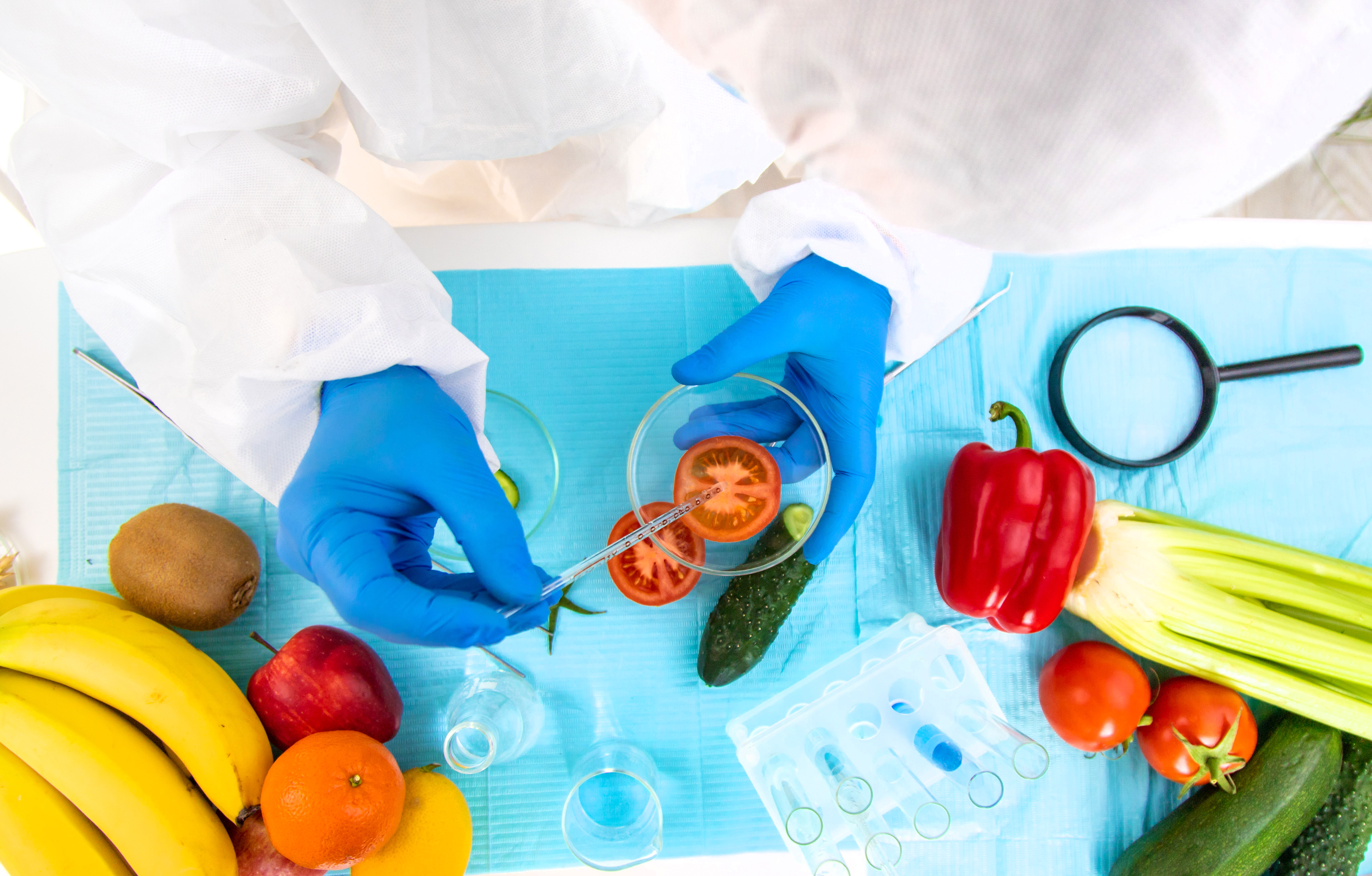
In the ever-evolving food industry, it is imperative to keep food safe and to find new ways to prolong its shelf life. Food Irradiation is one of the new advanced methods. It maintains the nutrients in food while eliminating the pests and microorganisms deemed hazardous to food, and thus, safe for food consumption. Understanding food irradiation is necessary in order to fully appreciate the importance of food irradiation in food preservation to the food industry and the consumers.
With the ever-increasing world population, the demand for safe and long-lasting food is increasing, and thus, food irradiation is one of the most dependable methods to preserve food. This blog focuses on the food irradiation process, its symbol and equipment, and food irradiation examples, and advocates for its value among modern food preservation techniques.
The Food Irradiation Definition
To fully appreciate the importance of food irradiation, the main component is controlled amounts of food being exposed to ionising radiation. Food irradiation is the process that kills parasites, bacteria, and insects that are known to bring food-borne illnesses. With this removal, the shielded food irradiation treatment is enhanced, and food will be irradiated.
Contrary to the false and common beliefs, food irradiation does not irradiate food and does not make it radioactive. In fact, food irradiation acts on food like pasteurisation does, and thus, the quality is preserved.
The Benefits of Food Irradiation
The irradiation of food has many advantages, such as:
- Protecting public health and reducing the spread of foodborne illness
- Shortening the food supply chain
- Minimising food loss and waste
- Facilitating international trade of food products
The food industry considers food irradiation as an excellent food preservation method.
How is Food Irradiated?
The food irradiation process involves the following:
1. Food Preparation: Food is cleaned and packaged to prepare it for the process.
2. Food and Radiation Exposure: Food is intentionally and directly exposed to gamma rays, and/or x-rays, and/or accelerated electrons.
3. Food and Radiation Exposure: To maintain the integrity of the food, and quality of the food, there is a systematic approach to the amount of radiation that food is exposed to.
4. The Packaging and Distribution of Food: After foods have undergone irradiation, they are packaged and made ready for consumption.
There are many steps involved in order to ensure the irradiation of food is both safe and efficient.
Foods That Are Irradiated
Your first concern when it comes to irradiated food should be the following set of products.
- Vegetables and fruits (to hold off ripening)
- Herbs and food spices (to get rid of bacteria)
- Poultry and Meat (to lower pathogens)
- Cereal and Grains (to keep away pests)
This shows the versatility of food irradiation in keeping foods safe.
Food Irradiation Examples
Some examples of food irradiation practised in different parts of the world include the following products:
- Potatoes that have been treated to prevent sprouting.
- Treated strawberries to be retained for a longer shelf life.
- Turmeric and pepper to eliminate microbes.
- Poultry products to eliminate contamination.
This shows that irradiation of food has practical utility in day-to-day consumption.
Advantages of Food Irradiation
The use of Food Irradiation offers multiple advantages:
- Enhances food safety
- Reduces food waste
- Maintains nutritional value
- Improves storage and transportation efficiency
It is a sustainable solution among modern food preservation techniques.
Limitations and Concerns
Some concerns regarding food irradiation include:
- The general public’s perception and awareness of food irradiation
- The start-up investment in food irradiation technology
- The regulatory framework of different countries
According to research, food irradiation is safe when appropriately controlled and regulated.
Food Irradiation vs Other Preservation Techniques
Food Irradiation has less impact than food preservation methods, e.g. freezing, drying, canning, and:
- The process does not use or require added chemical preservatives
- The food can have a longer shelf life, even unrefrigerated (in some situations)
Modern processing of food can include food irradiation, as it is highly beneficial.
Safety and Regulations
The safety of Food Irradiation is supported by extensive scientific research and strict global food regulations. International bodies such as the World Health Organisation (WHO), Food and Agriculture Organisation (FAO), and national food safety authorities have approved the irradiation of food as a safe and effective method. The food irradiation process is carefully controlled to ensure that radiation levels remain within permissible limits, preserving both safety and nutritional quality.
In many countries, regulations require proper labelling using the irradiated food symbol, ensuring transparency for consumers. Additionally, facilities using food irradiation equipment must comply with safety standards, licensing requirements, and routine inspections. These measures ensure that what is food irradiation remains a reliable and widely accepted food safety practice.
Future of Food Irradiation
As the global food industry shifts towards greater emphasis on safety, sustainability, and efficiency, there is much potential in food irradiation. Increased awareness and advancements in professional food irradiation systems are expected to facilitate the wider acceptance of food irradiation.
The key trends to look for are:
- Food Irradiation Technology: More efficient food irradiation systems are being built at lower costs, and more scalable systems are being developed to encourage the food irradiation technology vertical.
- Food Safety: Food safety continues to be an issue that is understood. Food irradiation technology makes food safe.
- Irradiation of food as a processing tool: Food irradiation, as a technology for preserving food, helps to avoid the spoilage of food during exportation of food.
- Less food waste: The irradiation of food results in less food waste.
- Irradiated food and consumer awareness: Greater education on the symbol of irradiated food and the definition of irradiated food will lead to consumer trust, as this is the industry’s irradiation of food.
- Food irradiation examples: The irradiation of the food industry will be exposed to more food irradiation examples with ready-to-eat meals, seafood, and organic produce.
All things considered, food irradiation will be pivotal in establishing a system for food that is safer, more sustainable, and more interconnected worldwide.
Also Read: An Introduction to Food Safety Guidelines
Conclusion
Food Irradiation is an effective method of food safety and shelf-life improvement. Customers can learn about Food irradiation and its symbolism in order to make educated choices about what to buy. Irradiated food helps reduce food-borne illness and supports the global food distribution system. Highly effective food preservation techniques help sustain food and its safety in the long run.
Frequently Asked Questions
4. Are organic foods allowed to be irradiated?
Related Blogs

What Are Nutraceuticals Types, Applications, and Industry Growth in India
Last Updated on September 21, 2026 by Admin Table of...
Natural and Artificial Preservatives in Food: A Complete Guide
Last Updated on August 31, 2026 by Admin Table of...

Different Types of Sugar in Food and Their Effects on Health
Last Updated on August 6, 2026 by Admin Table of...
Food Colours Explained: Types, Uses, Natural vs Artificial & FSSAI Guidelines
Last Updated on July 7, 2026 by Admin Summary Food...

What Is Added Sugar in Food? Types, Examples & Recommended Limits
Last Updated on August 26, 2026 by Admin Summary Added...
What Is Freeze-drying? Process, Benefits, Applications & Food Industry Uses
Last Updated on July 7, 2026 by Admin Summary Freeze-drying...
Functional Meals: Definition, Professionals, and you may Spends
Last Updated on July 6, 2026 by Admin Articles The...