


Last Updated on August 5, 2026 by Admin
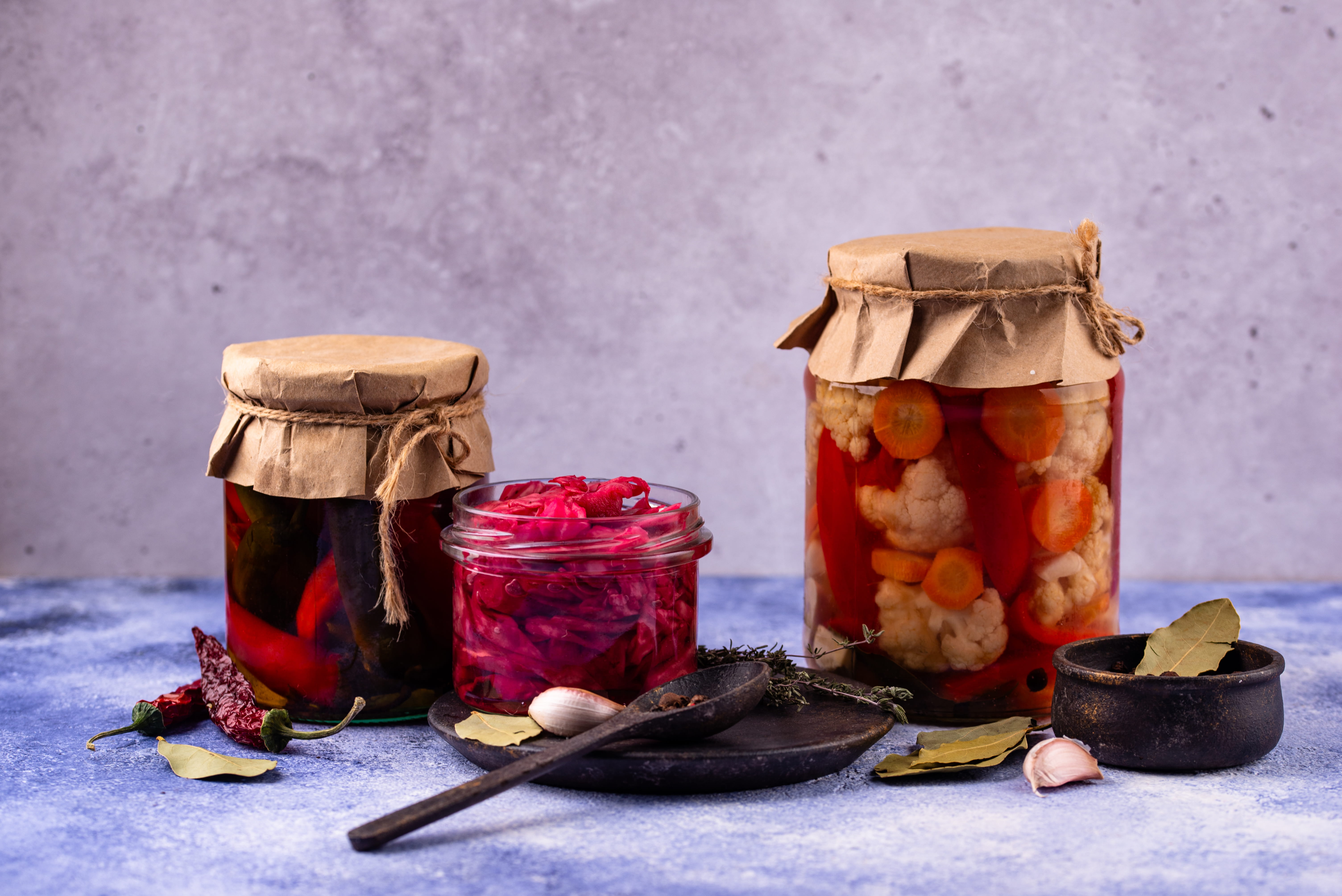
Over the years, a wide range of novel and innovative techniques has been incorporated into various food systems and food technology, and almost all food cultures have included some form of food preservation. One such process is fermentation. The process of fermentation is even more ancient than many of the modernised techniques of food preservation.
The process of fermentation has been used in the food systems of ancient civilisations for the preservation of food. The process involves the use of bacteria, fungi, and yeasts to convert the carbohydrates and naturally present sugars of food into acids, gases, or alcohol. The process of fermentation improves the taste of foods, extends the shelf life of and improves the nutrient content of foods.
What Are Fermented Foods?
To define fermented foods, some of the science involved must be explained. Fermentation is a naturally occurring process that involves a collection of various microorganisms. In the process of fermentation, the microorganisms will convert sugars and carbohydrates into a simpler form. The end products of the fermentation process can include lactose and alcohol, and the conversion of the carbohydrates in the food system can involve the process of:
- Improving the taste of food
- Improving the shelf life of food
- Improving the ease of digestion of food
- Promotion of beneficial microorganisms
Unlike modern techniques of food preservation, fermentation is a biological approach to food preservation.
How Fermentation Works
Fermentation uses microorganisms, particularly:
- Lactic acid bacteria
- Yeast
- Molds
These tiny organisms, also known as microbes, eat sugars and create lactic acid, ethanol, and carbon dioxide as by-products. The lactic acid created during fermentation increases the acidity and prevents the growth of many spoiling bacteria, meaning that fermentation food preservation is one of the oldest and safest methods of preserving food.
In food processing, especially in the dairy, bakery and beverage sectors, the food processing industry in India also relies on controlled fermentation.
Types of Fermented Foods
Due to the microorganisms and the food that is processed, there are many types of fermented foods.
1. Lactic Acid Fermented Foods
- Yogurt
- Sauerkraut
- Kimchi
- Pickles
2. Yeast-Fermented Foods
- Bread
- Beer
- Wine
3. Mould-Fermented Foods
- Some cheeses
- Soy-based products like tempeh
Each category has its own individual collection of flavours, textures, and nutritional components.
Examples of Fermented Foods
Many foods we eat are made through fermentation. Some popular examples of fermented foods include:
- Yogurt
- Kefir
- Kombucha
- Sauerkraut
- Kimchi
- Cheese
- Sourdough bread
- Miso
- Tempeh
Although these foods use different preparation methods, microbial cultures, and come from different regions, they provide the same functional benefits.
Indian Fermented Foods
Fermented foods are an important part of India’s history, and quite a few are eaten on a daily basis.
Examples include:
- Idli
- Dosa
- Dhokla
- Kanji
- Curd (dahi)
- Appam
Fermentation increases the digestibility of protein and the vitamin content in cereals and pulses. With the awareness of gut health increasing, many traditional Indian foods are regaining popularity. This is reflected by the use of controlled fermentation in the food processing industry in India to preserve traditional foods while increasing production.
Benefits of Fermented Foods
The benefits of fermented foods are well documented, and are one of the main reasons new fermented products continue to emerge.
1. Improved Gut Health: The probiotics in fermented foods help to maintain a healthy gut microbiome.
2. Enhanced Nutrient Absorption: Fermentation increases the bioavailability of essential minerals by decreasing certain anti-nutrients, such as phytates.
3. Improved Digestibility: The breakdown of proteins and carbohydrates makes your food easier to digest.
4. Improved Immune Health: A healthy gut contributes to an increased immune response and better general health.
5. Natural Food Preservation: Through fermentation food preservation, food stays safe to eat for longer periods without artificial preservatives.
Additional Benefits of Fermented Foods
In addition to health benefits, there are other benefits of fermented foods.
- Longer shelf life
- Less food waste
- More complex flavours
- More affordable way to preserve food
- Better sustainable production methods
Fermentation complements clean labels and less processed food demands.
Food Processing and Fermentation
Currently, fermentation in food processing is an art and a science. It has moved from traditional methods to modern industrial methods that ensure safety and quality on a large scale.
Industries use:
- Specific starter cultures
- Controlled temperature
- Automated control systems
The scope in the food processing industry in India is growing rapidly for fermented dairy products, probiotic drinks, and traditional ready-to-eat fermented foods. Functional foods and government support are driving innovation.
The Importance of Fermentation Food Preservation Today
With the world’s growing food supply, fermentation food preservation is extremely relevant.
It aids in:
- Improved food stability
- Better food security
- Food nutritional quality maintenance
- Less use of chemical preservatives
Energy-wise, fermentation is more sustainable than freezing or canning and can be done at an industrial level or at home.
Safety of Fermented Food
As with any food process, safety is important in fermentation. For example, there must be the right conditions for the right duration of the fermentation process. Fermented food products from the shop have gone through the safety qualifications required by their country’s regulations.
Safety is an important part of home fermentation, as contamination can occur.
Fermented Food and Modern Nutrition
Urban markets and homes have shown a marked increase in the consumption of fermented food products, and many businesses have begun producing them. This is in response to trends in modern nutrition that emphasise gut health, functional foods, clean labels, and reducing food waste through natural means. Probiotic dairy products and fermented drinks are popular because they use modern, convenient fermentation methods.
Who Should Be Careful
Most people can take fermented foods, but people with low immunity, with certain illnesses, or with dysbiosis should be careful and probably consult a doctor because moderation and a balanced intake of food are important.
Potential for Indian Fermented Foods
Research and advanced microbial technology in food processing are improving functional products for the Indian fermented food industry. India’s food processing industry is growing because of the increased urban population, disposable income, and health awareness. The packaged traditional Indian fermented food products exported all over the world enhanced cultural exchange and the growth of Indian exports.
Conclusion
Some of the fermented foods include Idli, certain types of yoghurt, and global, commercial products containing probiotics. Fermentation is a sustainable practice because it improves health in an eco-friendlier way and better meets consumer demand for clean-label. The Indian food processing industry is growing and will allow India to blend traditional fermentation practices with modern technology. The loss of culinary heritage can be countered by incorporating more fermented foods into everyday meals.
Frequently Asked Questions (FAQs)
Q1. Are fermented foods the same as probiotic foods?
Not all fermented foods contain live probiotics. Some products lose beneficial bacteria during processing or heating. However, many naturally prepared fermented foods like yoghurt, kefir, and certain pickles do contain live cultures that support gut health.
Q2. Can fermented foods help improve digestion?
Yes, fermented foods may improve digestion by introducing beneficial bacteria and breaking down complex nutrients into simpler forms. This can make proteins, carbohydrates, and certain minerals easier for the body to absorb.
Q3. How often should fermented foods be consumed?
Moderate daily consumption is generally considered safe for most people. Small portions such as a bowl of curd, a serving of fermented vegetables, or probiotic drinks can be included as part of a balanced diet.
Q4. Are homemade fermented foods better than packaged ones?
Homemade fermented foods can be nutritious if prepared hygienically. Packaged options, however, offer controlled fermentation and safety testing, which ensures consistent quality and reduces contamination risks.
Q5. Do fermented foods help in weight management?
Some research suggests fermented foods may support weight management by improving gut microbiota balance and digestion. However, they should be combined with healthy eating habits and regular physical activity for effective results.
Related Blogs
What Are Nutraceuticals Types, Applications, and Industry Growth in India
Last Updated on August 6, 2026 by Admin Table of...
Natural and Artificial Preservatives in Food: A Complete Guide
Last Updated on August 31, 2026 by Admin Table of...
Different Types of Sugar in Food and Their Effects on Health
Last Updated on August 6, 2026 by Admin Table of...

Food Colours Explained: Types, Uses, Natural vs Artificial & FSSAI Guidelines
Last Updated on July 7, 2026 by Admin Summary Food...
What Is Added Sugar in Food? Types, Examples & Recommended Limits
Last Updated on August 26, 2026 by Admin Summary Added...
What Is Freeze-drying? Process, Benefits, Applications & Food Industry Uses
Last Updated on July 7, 2026 by Admin Summary Freeze-drying...
Functional Meals: Definition, Professionals, and you may Spends
Last Updated on July 6, 2026 by Admin Articles The...
Why Prebiotic Foods Matter for Gut Health and Digestion
Last Updated on August 5, 2026 by Admin Table of...
Ready-to-Eat and Instant Foods Transforming Modern Food Consumption
Last Updated on August 26, 2026 by Admin Table of...
What Are Emulsifiers in Food? Types, Uses & Natural Examples
Last Updated on June 1, 2026 by Admin Table of...