


Last Updated on February 11, 2026 by Admin
Table of Contents
- Why Meat Processing Hygiene Matters
- Ignoring the Importance of Hygiene Behind the Scenes of Meat Processing
- The Attention to Hygiene and Packing of Meat
- Best Practices for Storing Prepared Meat
- The Role of Training on the Hygiene of Meat Processing
- Other Practical Suggestions on Meat Processing Hygiene
- Conclusion
- Frequently Asked Questions
The meat industry plays a vital role in the global food supply, but it also comes with the more serious responsibilities. As pertaining to public and regulatory health, servicing the quality of the meat to the customers economically and profitably also needs to be done with meat hygiene. Unfortunately, numerous businesses, either as a small butcher or a grand meat processing factory, commit numerous hygiene mistakes that are considered as errors in the industry with responsibilities.
In the upcoming sections of the guide, we are going to list common hygiene mistakes in meat processing and, more importantly, practical measures that can be implemented to overcome them. Also, we focus on the professional meat processing course by FICSI that covers aspects of meat storage, meat hygiene, meat packaging, and all other basic meat industry transactions.
Why Meat Processing Hygiene Matters
Before going deeper into these mistakes, one needs to understand why meat processing hygiene becomes a primary focus:
- Comes as a safeguard against the worst ramifications of meat contamination with dangerous bacteria, like Salmonella and other similar and dangerous pathogens like E. coli, Listeria, etc.
- Plays an instrumental role in maintaining the quality, aroma, and longevity of meat.
- Minimises the chances of wastage while maximising the secure transit of the product to warehouses, distribution centres, and other relevant places.
- In an all relative aspect, it also establishes the much-needed trust of the targeted customers and consumers while becoming a part of the whole nation’s food safety policies.
Not only could defective hygiene during meat processing lead to rampant foodborne diseases, but it can also be the cause of a major, overwhelming profit recall and the loss of a certain name’s reputation in the market.
Ignoring the Importance of Hygiene Behind the Scenes of Meat Processing
1. Not Cleaning and Sanitising Equipment Thoroughly
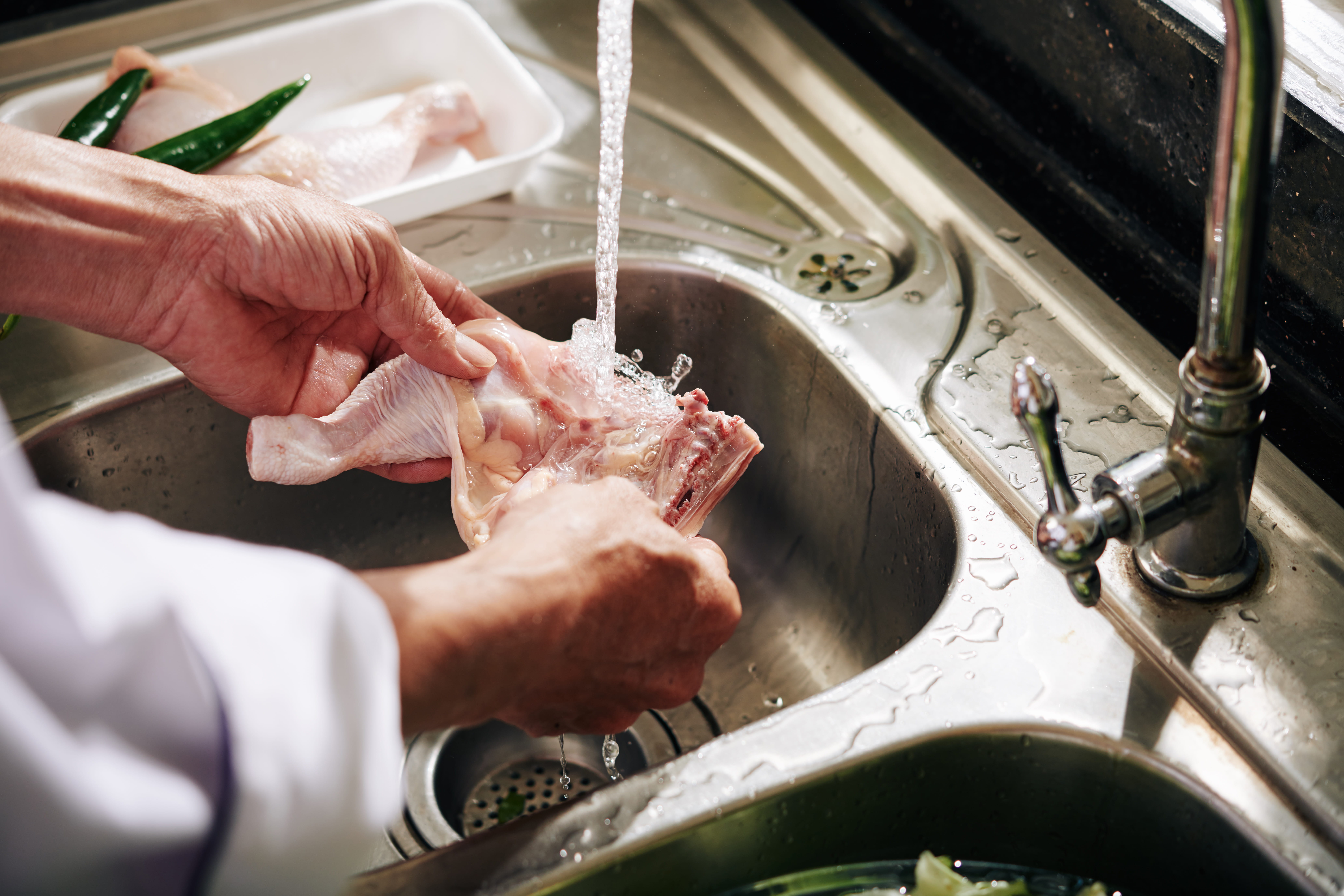
Among the most common issues is the failure to properly clean knives, grinders, cutting boards, and any tools that may come into contact with the meat. Leftover pieces of meat enable bacteria to multiply and spread easily.
How to Avoid It:
- Enforce a rigid cleaning timetable.
- Designed for rinsing and sanitising on a per-use basis, utilisation of formulated sanitising agents is mandatory.
- Meat processing hygiene standards require the workforce to be properly educated on sanitisation.
2. Faulty Meat Storage Temperature
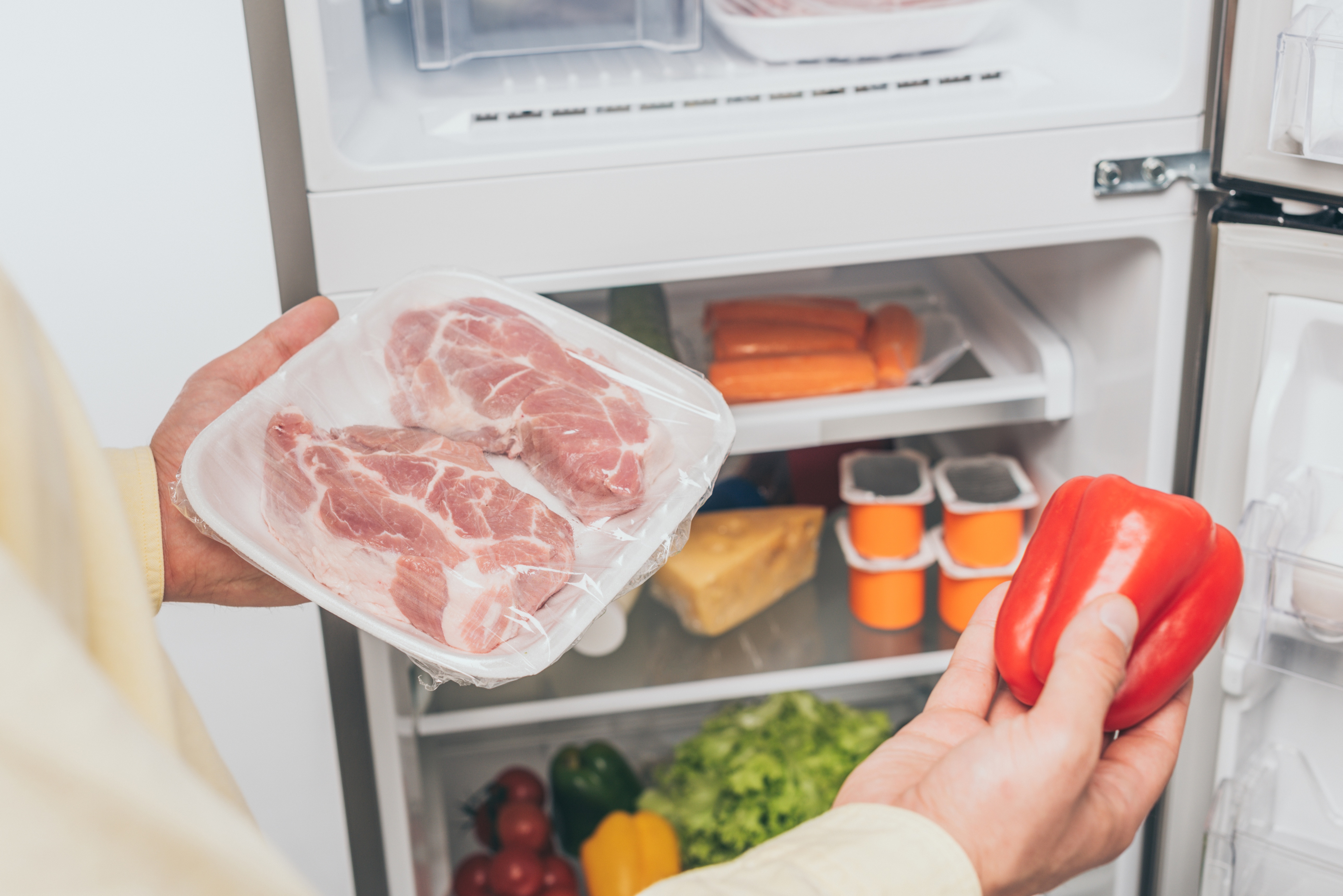
Meat is more sensitive than most products, and temperature still must be kept within a specific range. Storing meat at a set temperature will kill bacteria, and keeping it under a set temperature will allow bacteria to thrive, causing spoilage.
How to Avoid It:
- Regularly check to ensure that the storage temperature of chilled meat is kept within 0 to 4 degrees Celsius, and set frozen meat below -18 degrees Celsius
- Use of calibrated thermometers must be stocked to monitor the storage temperature and intervals.
- Staff need to be trained on temperature preservation, as it is a key technique in meat processing.
3. Cross Contamination
Cross contamination occurs from poorly managed contact of raw meat with other cooked and/or any ready to eat meals.
How to Avoid It:
- Staff, in the event that products are mixed, need to be educated on the consequences of these actions.
- Use designated tools, boards, and containers for raw and cooked meat.
- Processing unit designs can allow for separation of raw and cooked zones, and should therefore be enhanced.
4. Lack of Personal Hygiene of Workers
Workers’ personal hygiene may cause cross-contamination even if the equipment surfaces are clean. Failing to wash, working sick, touching meat, putting on sick clothing, skipping any layers, and many other actions default hygiene protocols.
How to Avoid It:
- Create and enforce a glove and hair net policy.
- Provide clean uniforms, gloves, hairnets, and head covers.
- Train employees on meat hygiene on a routine basis.
5. Improper Meat Packing
Meat that has been improperly packed may be more susceptible to cross-contamination, packed with other food, or improperly sealed. Using broken packs or failing to vacuum seal the meat are too common.
How to Avoid It:
- Pack in food-safe, tamper-evident materials.
- Wherever possible, vacuum seal or use a modified atmosphere pack.
- Train packers on proper hygiene.
6. Lack of Pest Control
Pests, insects, and especially flies and rodents, in a processing plant can contaminate the facility. Not carrying out pest control poses the greatest risk to hygiene.
How to Avoid It:
- Construct barriers and install traps to control migration.
- Dispose of refuse and litter to maintain good hygiene.
- Maintain a record of pest control visits.
7. Lack of Proper Hygiene in the Disposal of By-Products
Improper disposal of materials, blood, by-products, and other associated waste creates a perfect breeding ground for bacteria.
How to Avoid It:
- Keep the waste processing area clean.
- Keep waste in closed containers and dispose of them every day.
- Adhere to the environmental health safety procedures.
8. Staff Training Gaps
Hygiene issues arise with the lack of adequate training in hygiene related to meat processing. Needing explanation often perpetuates the same mistakes.
- Arrange periodic training sessions and focus on new practice courses.
- Assign employees to meat processing course to learn the recommended improved procedures.
- Draft basic SOPs for every working day.
The Attention to Hygiene and Packing of Meat
The proper meat packing does not only involve the aesthetics. It also provides the necessary protection. Satisfactory packs give:
- Protection from the growth of microorganisms for extended periods.
- Prevention of undesirable alteration of the meat through exposure to air for some time
- Safe movement from processing centres to places of sale.
The meat processing industry has changed considerably through inventions such as vacuum packaging and MAP, which permit the meat to remain fresh and the taste unchanged.
Best Practices for Storing Prepared Meat
The meat storage procedures are very strict because meat products are extremely perishable. Some of the most important are:
- All meat has to be refrigerated and frozen immediately after it is prepared.
- Meat should never be thawed and refrozen, because this is conducive to the growth of bacteria.
- Packaging should have proper labelling and dating to facilitate monitoring and control.
- Implement the FIFO approach to minimise waste and food spoilage.
In doing so, both the processors and the consumers should be able to achieve optimal meat hygiene.
The Role of Training on the Hygiene of Meat Processing
Hygiene errors are most often caused by a lack of knowledge. Having an organised training course might help rectify the situation. The meat processing course by FICSI (Food Industry Capacity & Skill Initiative) helps participants gain:
- Hygiene regulations and safety standards.
- Techniques of the proper meat processing, handling, and storage.
- Current trends of meat packaging and preservation.
- Practical methods of contamination risk mitigation.
Such programs help workers take on a scientific approach to ensure that every step in meat processing is effective and safe.
Other Practical Suggestions on Meat Processing Hygiene
- Do temperature control monitoring, compare and analyse the results.
- Make use of hygiene illustrations in the meat processing areas to help remind workers.
- Where manual operations are done, use safety systems that reduce risk.
- Carry out frequent analysis on cleaning, packaging, and meat storage.
- Ensure that you have obtained all the necessary certifications.
Also Read: 9 Best Practices for Personal Hygiene in Food Industry
Conclusion
In the case of meat processing, the need for hygiene is not a matter of choice, but a matter of responsibility. The steps of equipment cleaning, meat processing, meat packaging, meat storage, and all other successive operations require focus. Common oversights like cross-contamination, poor waste management, and a lack of instructions are a result of a failing management system and poor employee education.
Through professional training such as the FICSI meat processing course, organisations are able to improve their meat processing hygiene standards, lower the risks, and provide the public with meat that is safe and of the highest quality.
The target is quite clear and straightforward: safe meat, happy customers, and a well-established image in the industry.
Frequently Asked Questions
Related Blogs

What Are Nutraceuticals Types, Applications, and Industry Growth in India
Last Updated on September 21, 2026 by Admin Table of...
Natural and Artificial Preservatives in Food: A Complete Guide
Last Updated on August 31, 2026 by Admin Table of...

Different Types of Sugar in Food and Their Effects on Health
Last Updated on August 6, 2026 by Admin Table of...

Food Colours Explained: Types, Uses, Natural vs Artificial & FSSAI Guidelines
Last Updated on July 7, 2026 by Admin Summary Food...

What Is Added Sugar in Food? Types, Examples & Recommended Limits
Last Updated on August 26, 2026 by Admin Summary Added...
What Is Freeze-drying? Process, Benefits, Applications & Food Industry Uses
Last Updated on July 7, 2026 by Admin Summary Freeze-drying...

Functional Meals: Definition, Professionals, and you may Spends
Last Updated on July 6, 2026 by Admin Articles The...