


Last Updated on January 21, 2026 by Admin
Table of Contents
- Glass and Plastic Food Storage Containers
- Are Glass Containers Better than Plastic?
- Pros and Cons of Glass Packaging
- Pros of Using Plastic Containers
- Drawbacks of Using Plastic Containers
- Which Plastics Are Safe For Food Storage?
- Food Hygiene Courses and Their Role
- A Practical Comparison of Plastic and Glass Food Containers
- Food packaging regulations and consumer safety
- Conclusion
- To Conclude
- Frequently Asked Questions
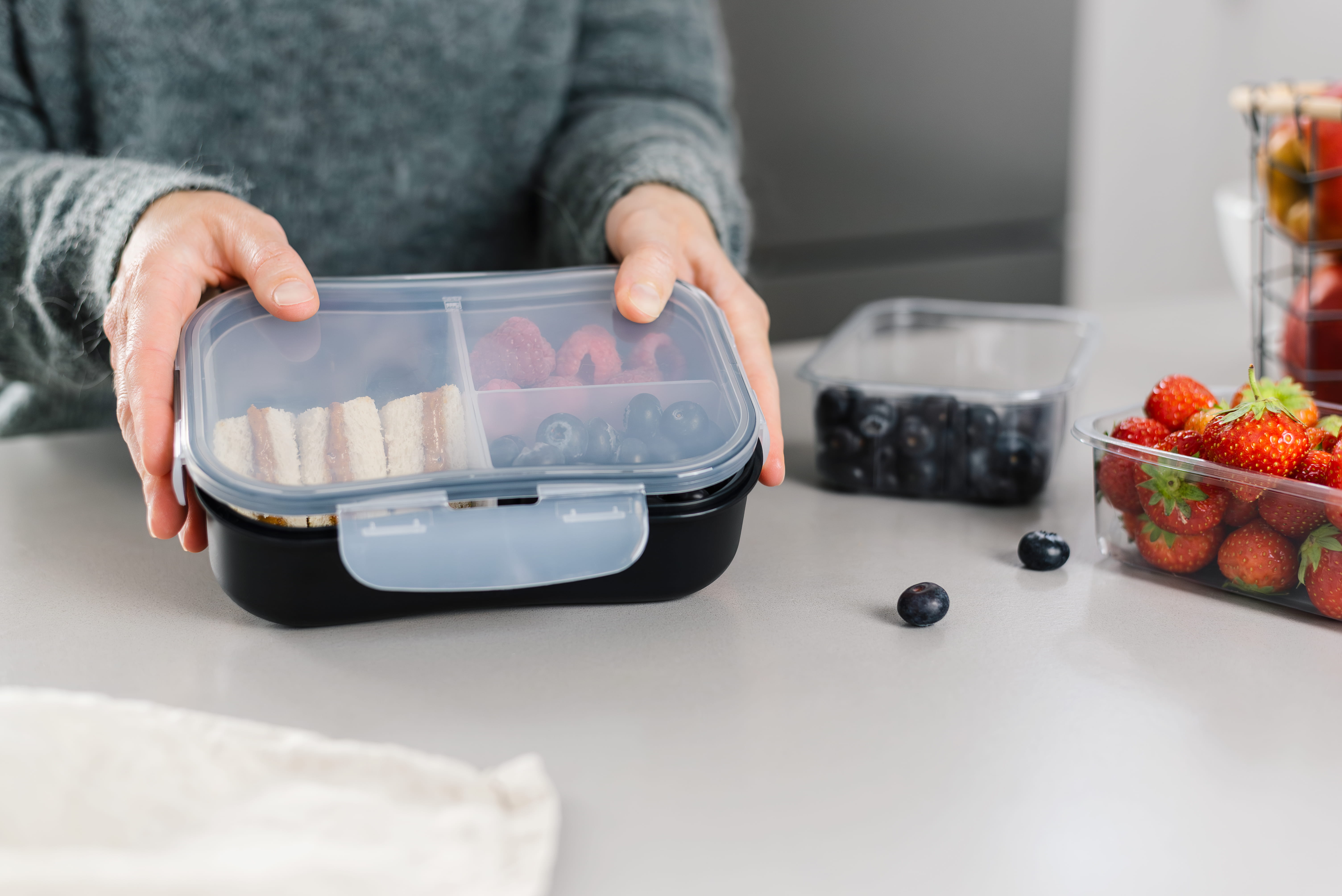
Selecting a container for food storage is often underrated. At a minimum, food storage preserves food’s freshness; it also has an impact on safety, ease of use, and, in certain cases, the environment. This invokes the great debate of glass vs plastic food containers. In this debate, the question of are glass containers are better than plastic is frequently posed.
To answer this question, we must look into the convenience of use and cost savings to put the focal point on durability, safety, environmental impact, and compliance with food packaging regulations.
It is crucial to outline the advantages and disadvantages of glass containers alongside the advantages of plastic containers and disadvantages of plastic containers to come to a better conclusion. In addition, understanding which plastics are safe for food storage is important for anyone advocating safe food practices. Additional training, like food hygiene courses, also helps cover the proper handling and storing of food to reinforce best practices.
Glass and Plastic Food Storage Containers
The debate associated with glass vs plastic food containers rests on health and practicality. Each side provides its own benefits and problems. Glass containers foster great durability and are praised for their health benefits. However, plastic containers are often more affordable and convenient.
The right choice often depends on individual needs; for example, someone who is healthy and environmentally conscious may prefer glass. In contrast, someone looking for easy and lightweight food storage may prefer plastic.
Are Glass Containers Better than Plastic?
One of the most common questions is are glass containers are better than plastic? Glass is the clear winner on health grounds. It is much more eco-friendly and does not leach any of its content into food, making it safer for storage. Glass is also hot and cold compatible, making storage easy and convenient.
Modern plastic is often dismissed, but it does have its advantages. Plastics labelled as BPA-free are much safer and more durable. For most households, the battle between glass and plastic is the desire for ease and safe long-term storage.
Pros and Cons of Glass Packaging
Pros of Glass Packaging
- Healthy and safe: Odour and stain absorption do not occur with glass.
- Does not contain chemicals: Unlike certain plastics, glass does not contain harmful chemicals that leach into food.
- Heat proof and durable: Glass is safe in microwaves, ovens and dishwashers.
- Good for the environment: Glass is 100% recyclable and sustainable.
- Sustainable: With care, glass containers can last for years.
Cons of Glass Packaging
- More overweight: Unlike plastic, glass is heavier and not as portable.
- More expensive: Generally costs more to purchase.
- Broke easily: Glass can easily chip or break, posing a safety hazard.
- Lack of space: Glass containers take more space and are bulkier than plastic.
Pros of Using Plastic Containers
The convenience factor remains the same, with plastic containers being the more preferred option over glass containers. Here are the pros of using plastic containers.
- Economical: Good for bigger budgets than glass and for larger families.
- Lightweight: Good for packed lunches and easy to carry while travelling.
- Variety: Comes in different shapes and sizes.
- Durable: Plastic containers are difficult to break, making them kid-friendly.
- Stackable: Takes up less storage in the kitchen and fridges.
Drawbacks of Using Plastic Containers
While they are widely used, it is necessary to understand the drawbacks of plastic container use:
- Chemical leaching risk: BPA and other harmful chemicals are some examples of what certain plastics might leach into food.
- Less durable: Scratched and warped surfaces diminish their effectiveness over time.
- Not heat resistant: Dishwashers and microwaves are unsafe for a lot of plastic food containers.
- Environmental impact: Dangerous for the world and hard to recycle.
- Odour and stain absorption: Food smells and discolouration can become permanently retained.
Which Plastics Are Safe For Food Storage?
To make an informed decision, it is important to know which plastics are safe for food storage. Check recycling symbols, typically located at the bottom of the container:
- (PET or PETE): Suitable for single-use food storage.
- (HDPE): Safe for repeated use, strong and durable.
- (LDPE): Safe for food packaging, flexible and widely used.
- (PP): Often found in yoghurt cups and other reusable containers, one of the safest plastics.
Individuals and organisations need to observe food packaging regulations, which describe acceptable materials to be used for packaging food to ensure minimal health concerns.
Food Hygiene Courses and Their Role
A food container must ensure safe food storage as well as safe storage practices. This is where food hygiene courses help. They help individuals and professionals with:
- Cleaning and sanitising storage containers.
- Safe and unsafe plastic identification.
- Cross-contamination avoidance.
- Food packaging regulations adherence.
These courses are very useful for food handlers working in restaurants, catering, and food packaging businesses where food safety is of great concern.
A Practical Comparison of Plastic and Glass Food Containers
| Feature | Glass Containers | Plastic Containers |
|---|---|---|
| Health Safety | Non-toxic, chemical-free | Risk of chemical leaching if unsafe plastic is used |
| Durability | Fragile, but long-lasting if not broken | Resistant to breaking, but prone to scratches and warping |
| Heat Resistance | Safe for oven, microwave, and dishwasher | Not always safe for high heat |
| Weight | Heavy, less portable | Lightweight, easy to carry |
| Cost | Higher upfront cost | Affordable and budget-friendly |
| Environmental Impact | Recyclable, eco-friendly | Not eco-friendly; disposal can be harmful if not managed properly |
| Food Quality | Maintains taste and freshness | Greater chance of absorbing odours and stains |
The glass containers have obvious advantages of maintaining food smell while being eco-friendly, though offering only slight protection during movement. Comparatively, plastic containers may absorb odours while being much lighter.
Food packaging regulations and consumer safety
Food packaging regulations ensure the safety of food storage materials to human health. Their focus is on:
- Approved food-grade plastics.
- Labelling, as “BPA-free” or other recycling codes.
- Manufacturers’ hygiene standards.
- Safe use, cleaning, and reusability guidelines for containers.
Compliance with such norms helps businesses and consumers to minimise the risk of food contamination and enhance food safety.
Conclusion
Ultimately, the argument of glass vs plastic food containers is subjective. Those focused on health and sustainability will find glass containers to suit them best. On the other side, those focused on budget, convenience, and ease of carrying will find use in plastic containers, but must ensure which plastics are safe for food storage.
To Conclude
Informed choices of containers and knowledge from food hygiene courses and food packaging regulations will aid consumers in the best practices to stay safe and fresh, making food safe and supporting health and sustainability in the long run.
Frequently Asked Questions
Related Blogs
What Is Condensed Milk? Ingredients, Types, Uses & Benefits
Last Updated on September 28, 2026 by Admin Table of...
What Is Maltodextrin? Uses, Benefits, Side Effects & More
Last Updated on September 25, 2026 by Admin Table of...
What Is Food Chemistry? Meaning, Principles, Basics & Importance
Last Updated on September 25, 2026 by Admin Table of...
What Are Nutraceuticals Types, Applications, and Industry Growth in India
Last Updated on September 21, 2026 by Admin Table of...
Natural and Artificial Preservatives in Food: A Complete Guide
Last Updated on August 31, 2026 by Admin Table of...
Different Types of Sugar in Food and Their Effects on Health
Last Updated on August 6, 2026 by Admin Table of...
Food Colours Explained: Types, Uses, Natural vs Artificial & FSSAI Guidelines
Last Updated on July 7, 2026 by Admin Summary Food...