


Last Updated on January 21, 2026 by Admin
Table of Contents
- Understanding Food Groups
- The 5 Food Groups Explained
- Why Do We Have Different Food Groups?
- Balanced Diet Food Groups
- Food Safety Training Program and Its Importance
- Handling the 5 Food Groups Safely: Key Practices
- Five Food Group Charts: Visualising Healthy Eating
- Conclusion
- Frequently Asked Questions
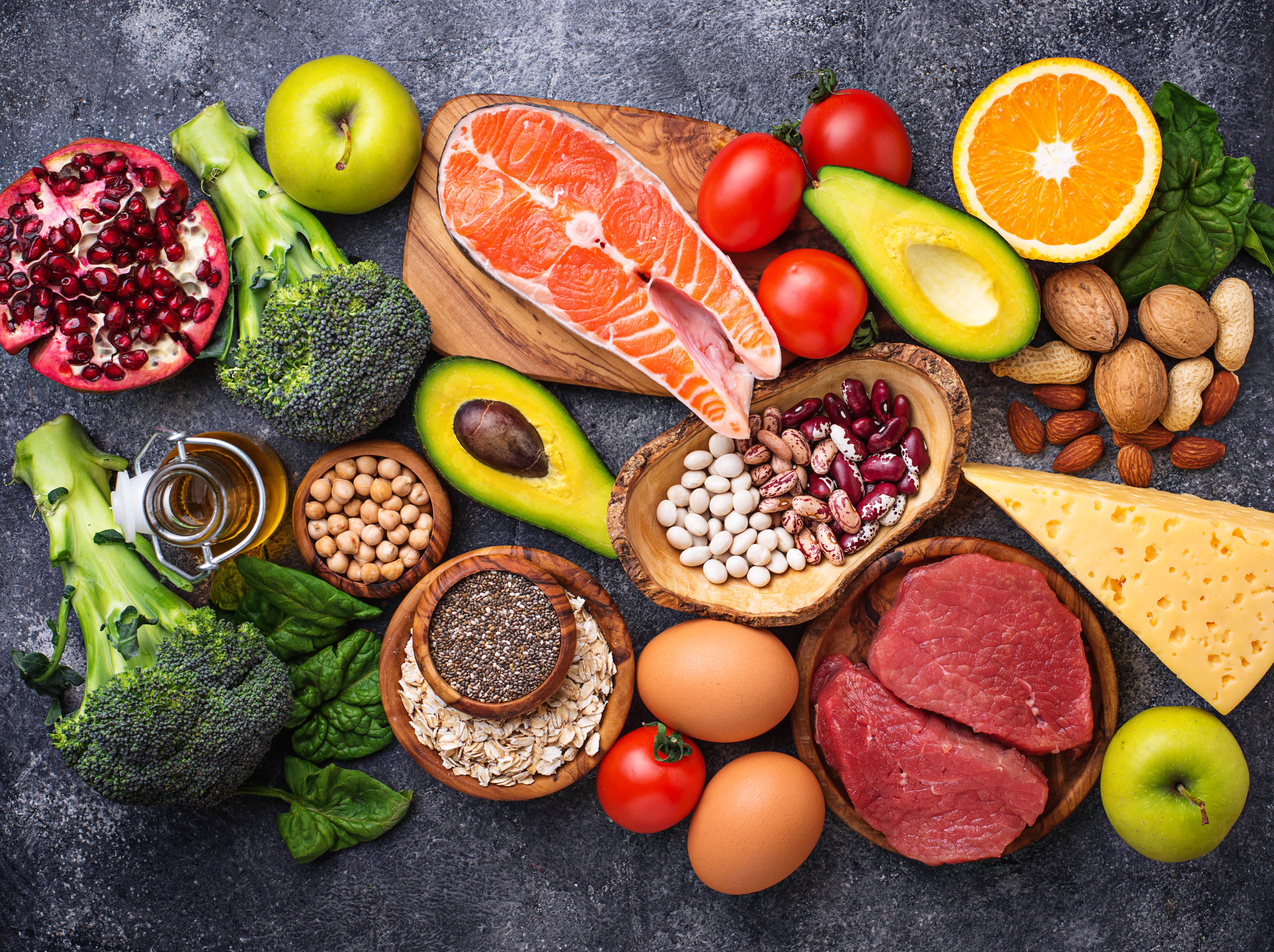
In the context of well-being, food is more than energy; it is the foundation of a healthy life. To achieve a good nutritional balance, a food is divided into categories called food groups, which are types of foods that are placed together based on their nutrient contents and the role they play in the body. Many ponder what are the food groups, how many food groups there are, and what their importance is in daily eating habits.
It is universally accepted that there are 5 food groups that form the cornerstone of a balanced diet food groups approach, which are: fruits, vegetables, grains, protein-rich foods, and dairy (or substitutes). Grasping the different food groups not only ensures good nutrition but also calls for safe handling procedures to avert foodborne injuries. A food safety training program is needed in homes, schools, and commercial kitchens to ensure proper food handling and safety.
Understanding Food Groups
The idea of food groups serves to categorise food based on the nutrients that it contains. So, how many food groups are there? While some models split foods into more detailed categories, most nutrition guidelines agree on five food groups as the essential foundation for healthy eating. Every different type of food group provides nutrients such as carbohydrates, proteins, vitamins, minerals, and fats for a balanced diet.
The health authorities’ five food group charts have put together are an excellent resource for visual representation of the required amount of each food group that should be present on our plate. Now, let’s analyse the types of food groups.
The 5 Food Groups Explained
1. Fruits
Fruits offer a broad range of health benefits. Fruits improve digestion and have the ability to aid your immune system. Fruits such as apples, bananas, berries and oranges are among the most popular fruits and they offer a broad range of essential vitamins, minerals, fibre, and antioxidants.
Safe Handling Tips:
- Make sure to wash fruits under running water before eating.
- To minimise the danger of cross-contamination, do not slice fruits on the same cutting board that raw meat was placed on.
- Store berries and other perishable fruits in the fridge, and consume them quickly.
2. Vegetables
Vegetables are another important section amongst the different types of food groups. They supply the necessary dietary fibre, vitamin A and C, folate, potassium and a variety of antioxidants. These include dark leafy greens, legumes and root vegetables.
Safe Handling Tips:
- Clean vegetables to eliminate visible and pesticide-related grime.
- Keep leafy greens away from raw meat to prevent bacterial contamination.
- Cook vegetables to the appropriate temperatures to prevent nutrient loss but maintain safety.
3. Grains
Grains are staple dietary sources of carbohydrates. They provide energy, fibre, iron, and vitamin B. Refined grains are not as healthy as whole oats, brown rice and whole wheat.
Safe Handling Tips:
- Prevent pests from accessing grains by keeping them in airtight containers.
- Inspect grains for mould and unpleasant odours.
- Ensure rice and other grains are cooked to proper temperatures to eliminate bacterial contamination.
4. Protein Foods
Proteins are vital for muscle development, tissue repair and hormone production. Meat, poultry, seafood, beans, lentils, and nuts, as well as seeds, are rich sources of protein.
Safe Handling Tips:
- Maintain proper food safety by refrigerating raw meat, poultry and seafood immediately.
- Ensure proteins are cooked to safe temperatures to kill harmful bacteria.
Raw proteins and cooked proteins should always have their own separate cutting boards and utensils
5. Dairy and Its Subs
Products of milk, such as yoghurts and cheeses, contain some amount of calcium and vitamin D along with protein. Lactose-intolerant people and vegans have good alternatives in soy and almond milk, which are fortified.
Tips to Keep Dairy Safe:
- Always keep dairy products under refrigeration.
- Do not use expired milk and yoghurt.
- Clean and sanitise dairy containers before filling them with dairy substitutes.
Why Do We Have Different Food Groups?
Each food group supports the body in a different manner. Yoghurts and vegetables protect the body with micronutrients. Grains give long-lasting energy. Proteins build and repair body tissues, and dairy strengthens the bones. Any group skipped can result in a lack of nutrients.
This is why the five food group charts emphasise the need for variety and balance. Consumption of all the food categories provides the body with carbohydrates, proteins, healthy fats, and vitamins and minerals in a balanced manner.
Balanced Diet Food Groups
Taking a balanced diet food groups approach is allotting food from all five categories to each day. For instance, a healthy meal may include grilled chicken (protein), brown rice (grains), steamed broccoli (vegetable), a slice of melon (fruit), and a glass of low-fat milk (dairy).
Points to remember for a balanced diet include:
- Fruits and vegetables should make up at least half the intake.
- At least half of all grains consumed must be whole grains.
- Prefer fish, beans, and legumes to other proteins.
- Dairy should be low-fat or fortified.
This approach to dietary balance helps sustain energy levels and mental clarity, providing long-term health benefits.
Food Safety Training Program and Its Importance
The correct dietary regimen is only one element of healthy living; all steps need to be taken in conjunction with proper food handling. At this point, a food safety training program comes into play. Whether at home or running a food business, one must understand food hygiene to reduce the risk of foodborne illnesses.
A structured program teaches:
- Safe storage practices for each of the different food groups.
- Cooking foods to the correct temperature to the proper internal temperature.
- Cross-contamination prevention: raw and cooked foods.
- Appropriate cleaning and sanitising procedures for the kitchen.
Following food safety measures alongside the 5 food groups is essential in preserving nutritional value and maintaining good health.
Handling the 5 Food Groups Safely: Key Practices
- Storage:
- Fruits and Vegetables: Refrigerate perishables. Store root vegetables in a cool, dry place.
- Proteins: Keep refrigerated or frozen until use.
- Grains: Stowed in airtight containers, away from moisture.
- Dairy: Maintain below 4°C to prevent spoilage.
- Preparation:
- Rinse fruits and vegetables before cooking or eating them raw.
- Use separate cutting boards for raw and fresh produce to avoid cross-contamination.
- Wash hands before and after handling food.
- Cooking:
- Safely and gently heat dairy products to avoid loss of nutrients.
- Follow required cooking temperatures for meat and poultry.
- Avoid overcooking vegetables.
- Serving:
- Maintain the correct serving temperature for food.
- Do not leave perishables at room temperature for over 2 hours.
- Leftovers:
- Store promptly in shallow containers.
- Reheat before serving to at least 75°C.
Five Food Group Charts: Visualising Healthy Eating
While written guidelines are helpful, five food group charts assist people in picturing and visualising healthy eating. Typically, these charts depict a plate with sections for fruits, vegetables, grains, proteins, and dairy. They also focus on portion control and show the need for variety in every meal. These charts are quite popular in schools, hospitals, and other wellness programs to help people understand balanced diet food groups.
Also Read: Common Methods of Food Preservation: Definition, Types & Importance
Conclusion
So, what are the food groups and why are they important? To summarise, they are the five categories: fruits, vegetables, grains, proteins and dairy that provide a balanced diet with essential nutrients. Knowing the different food groups supports meal planning for the long term.
However, proper nutrition alone isn’t sufficient. Safe handling procedures are just as important, which is why a food safety training program supports the idea of food groups by ensuring that meals are nutritious and safe.
Paying attention to the types of food groups along with food safety measures ensures safety while still maximising health. Do remember that the 5 food groups create a sturdy foundation of a healthful diet, and appropriate handling creates a foundation of lifelong health.
Frequently Asked Questions
Related Blogs
What Is Condensed Milk? Ingredients, Types, Uses & Benefits
Last Updated on September 28, 2026 by Admin Table of...

What Is Maltodextrin? Uses, Benefits, Side Effects & More
Last Updated on September 25, 2026 by Admin Table of...

What Is Food Chemistry? Meaning, Principles, Basics & Importance
Last Updated on September 25, 2026 by Admin Table of...

What Are Nutraceuticals Types, Applications, and Industry Growth in India
Last Updated on September 21, 2026 by Admin Table of...
Natural and Artificial Preservatives in Food: A Complete Guide
Last Updated on August 31, 2026 by Admin Table of...

Different Types of Sugar in Food and Their Effects on Health
Last Updated on August 6, 2026 by Admin Table of...

Food Colours Explained: Types, Uses, Natural vs Artificial & FSSAI Guidelines
Last Updated on July 7, 2026 by Admin Summary Food...