


Last Updated on February 20, 2026 by Admin
Table of Contents
- What are macronutrients and micronutrients?
- Comparison of Micronutrients with Macronutrients
- Micronutrients and Macronutrients in Foods
- Macronutrients and Micronutrients in Plants
- Why Balance Matters More Than Counting Calories
- The role of food preservation in nutrient retention
- Common Myths Regarding Macronutrients and Micronutrients
- How to Ensure You’re Getting Both Nutrient Types
- Final Thoughts
In the recent past, anytime someone came across the word macronutrients and micronutrients, they could just ignore it and move on. Not anymore. Almost every nutrition magazine and label prints the word macronutrients and micronutrients at least once. What on earth is the macronutrients and micronutrients? What the heck does it even do? You’d think it would would something useful for humans and plants to grow, but actually, its closest useful role is from foo and calories. Sustaining life, production, and even immunity is a role foo nutrition does.
On every label and nutrition magazine, you will see and even advertise the nutrients under the term macronutrients and micronutrients. We are now going to analyze the true importance of nutrients and nutrition. We are doing it today because the nutrients and nutrition will be more useful for us today than they have ever been. We will even include the preservation of food.
What are macronutrients and micronutrients?
What on earth is macronutrients and micronutrients? Simply put, it refers to the substances that the human body and even plants need to grow, function, and even survive. How people and plants will get nutrients is by consuming something that has it, dry, drink, and eating. What you are consuming will determine the nutrients you are going to get. Also, the nutrients and food will determine the rest of the essential nutrients. A body will require food, drink, and it will be biologically divided to get its nutrients.
Introducing Macronutrients
Macronutrients is a word that defines considerable types of nutrients that ought to be in the human body in considerable amounts. They offer energy, stimulate development, and preserve the body’s structure. Generally, when an individual hears the word calorie, they are thinking of macronutrients.
Different Kinds of Macronutrients
- Carbohydrates
Carbohydrates offer the body the utmost energy that it needs. They are the basis of the energy that the brain, muscles, and the nervous system of the body need. Active persons are the ones that are advised to eat a lot of carbohydrates, which are derived from fruits and vegetables, in addition to grains and legumes.
- Proteins
Proteins are used for the construction and repair of body tissues. They are also responsible for the creation of enzymes and hormones. They support the body’s immune system. Proteins are to be formed with little units called amino acids. They are inducted into the body by consumption of foods such as dairy, nuts, eggs, and the meat.
- Fats
Fats, even though they are misunderstood, are important in the production of hormones and they help preserve the brain. They are also very important in the regulation of the body’s temperature and in protecting the body’s internal organs from being damaged. They are derived from healthy oils, and fish with Omega 3. (found in almonds nuts, and seeds).
These nutrients focus energy and structure, and are macros that are the basic discussion of macronutrients vs micronutrients.
Micronutrients
Micronutrients, in contrast to macronutrients are micronutrients. Also, in relatively smaller amounts. But the health of a person it impacts is MASSIVE! Even though they do not offer energy, they are all important in leading a person to have a good metabolism.
Micronutrient Types
- Vitamins
Vitamins including A, C, E, and D, in addition to several others, assist in the immune system, blood, and vision functions, as well as calcium absorption.
- Minerals
Iron, calcium, iodine, zinc, and magnesium assist with and support the transport of oxygen in the blood, the strength of bones, signaling in the nerves, and muscle function.
Weakness and fatigue of the immune system, chronic conditions, and developmental problems can all be traced to vitamin and mineral deficiencies, even if the symptoms are not immediately noticeable.
Comparison of Micronutrients with Macronutrients
The contrast between micronutrients and macronutrients can be simplified into four critical parameters.
| Aspect | Macronutrients | Micronutrients |
|---|---|---|
| Quantity needed | Large amounts | Small amounts |
| Main role | Energy & structure | Regulation & protection |
| Calories | Provide calories | Do not provide calories |
| Examples | Carbs, proteins, fats | Vitamins, minerals |
Both are needed and equally important to the usefulness of the body as a whole.
Micronutrients and Macronutrients in Foods
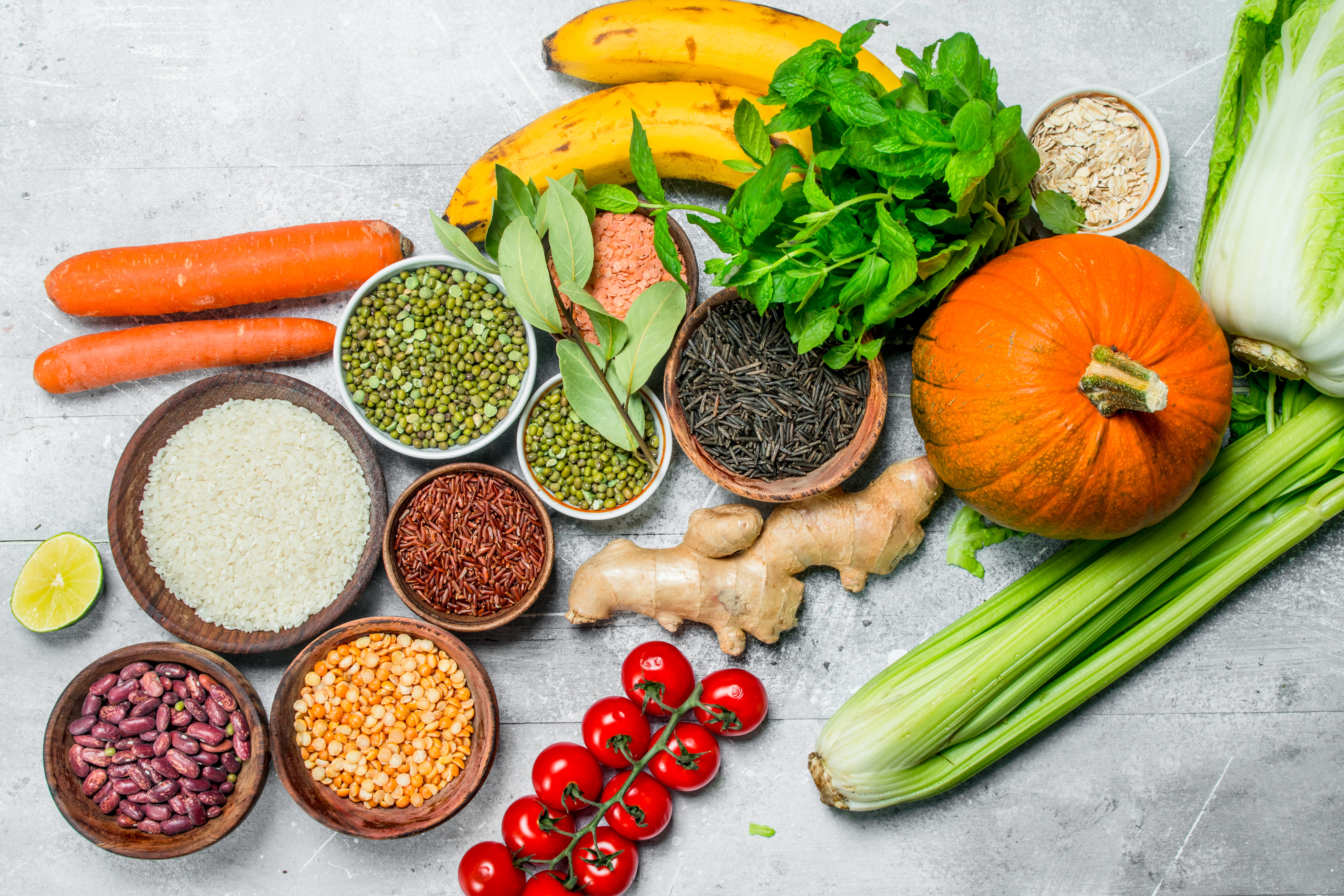
A whole and balanced diet should encompass macronutrients and micronutrients in foods. Whole foods tend to have a mix of both in their natural state.
For instance,
- Fruits have vitamins like vitamin C and contain carbohydrates as macronutrients.
- Nuts are made up of healthy fats, and proteins, and are made up of minerals, such as magnesium and zinc.
- Vegetables provide many vitamins, and antioxidants, and are a source of fiber.
Ultra processed foods may provide calories, but lack many crucial micronutrients, results in what is called, ‘hidden hunger’, where one has the right amount of energy intake but lacks adequate nutrition.
Macronutrients and Micronutrients in Plants
Plants, like humans, need macronutrients and micronutrients for healthy functioning.
Plant Macronutrients
- Nitrogen (N)
- Phosphorus (P)
- Potassium (K)
These nutrients promote the development of leaves, roots, and flowers.
Plant Micronutrients
- Iron
- Zinc
- Copper
- Manganese
- Boron
Micronutrients are required in smaller amounts, but their absence can lead to losses in the quantity and quality of a crop as well as a decrease in the nutrition of the crop. This problem can have a serious impact on the nutrition of the entire population.
Why Balance Matters More Than Counting Calories
A typical modern diet has heavy emphasis on one or two macronutrients, typically carbs or fats, while completely ignoring micronutrients. This is problematic, as it’s perfectly possible to stay healthy while consuming the right number of calories, as long as they’re from a source of micronutrients.
This is the reason why the focus on macronutrients has shifted more towards a focus on micronutrients, and balance.
The benefits of a nutritious diet include:
- Improving energy levels
- Strengthening one’s immunity
- Supporting mental clarity
- Reducing the risk of lifestyle diseases
The role of food preservation in nutrient retention
A greatly undervalued aspect of nutrition is the role of food preservation. Nutrients lose their potency over time when exposed to heat, light, air, or inadequate storage.
Preservation methods like freezing, dehydration, vacuum sealing, and controlled atmosphere storage can assist in sustaining both micro and macronutrients and minimizing food waste.
Effective preservation:
- Maintains the content of vitamins and minerals
- Extends the shelf life of food
- Protects food from contamination
- Provides nutrition on a large scale within the food supply chain
This is vital for global food security and sustainable nutrition.
Also Read: Importance of Food Preservation: Ensuring Nutrition and Sustainability
Common Myths Regarding Macronutrients and Micronutrients
- Myth. Micronutrients are of less importance since they are needed in small quantities
Truth. Tiny deficiencies can cause major health problems. - Myth. Eating excess protein resolves all issues around nutrition
Truth. Protein is unable to be utilized within the body efficiently without vitamins and minerals. - Myth. Foods can be replaced by supplements
Truth. For better nutrient absorption and synergy, whole foods should be eaten.
How to Ensure You’re Getting Both Nutrient Types
- Eat different sorts of colorful fruits and vegetables
- Choose whole grains instead of refined grains
- Include both plant and animal protein sources
- Cut down on processed foods
- Properly store and preserve foods to avoid nutrient loss
These habits help balance macronutrients and micronutrients in a straightforward manner.
Final Thoughts
Knowing the difference between macronutrients and micronutrients helps to take the focus off counting calories. Nourishment should be the goal. Macronutrients provide energy and micronutrients help regulate all the functions in the body. They are both important.
Nutrition impacts human health and every aspect of food, its preservation, and systems of food production. When we respect every nutrient, we foster a healthier future.
FAQs
proteins, and fats, which provide energy and support growth and structure. Micronutrients, including
vitamins and minerals, are required in smaller quantities, yet they play a crucial role in immunity,
metabolism, and overall body regulation. Both are essential for balanced health.
calories per gram, while fats provide 9 calories per gram. Micronutrients, however, do not provide
calories, but they enable energy production, hormone balance, and metabolic functions. Without
micronutrients, the body cannot properly utilize the calories supplied by macronutrients.
naturally contain both macronutrients and micronutrients. For example, nuts provide healthy fats and
protein along with minerals like magnesium; fruits offer carbohydrates with vitamins and antioxidants.
Choosing whole, minimally processed foods ensures you’re receiving energy along with essential
nutrients.
vitamins and minerals, leading to deficiencies and poor metabolic function. Health depends not just
on the number of calories but on nutrient density. A balanced diet with whole foods – rich in macros
and micros – supports immunity, energy levels, and long-term well-being.
Whole foods offer fiber, antioxidants, and nutrient synergy that supplements alone cannot provide.
Supplements are useful when deficiencies exist, but a food-first approach is recommended for better
nutrient absorption, gut health, and overall nutrition.
lean proteins, nuts, seeds, and healthy fats. Reduce processed foods and prioritize natural,
nutrient-rich ingredients. Proper storage and preservation also help retain vitamins and minerals. A
balanced plate ensures you meet both macro and micro nutritional needs effectively.
Related Blogs

What Are Nutraceuticals Types, Applications, and Industry Growth in India
Last Updated on August 6, 2026 by Admin Table of...

Natural and Artificial Preservatives in Food: A Complete Guide
Last Updated on August 31, 2026 by Admin Table of...

Different Types of Sugar in Food and Their Effects on Health
Last Updated on August 6, 2026 by Admin Table of...

Food Colours Explained: Types, Uses, Natural vs Artificial & FSSAI Guidelines
Last Updated on July 7, 2026 by Admin Summary Food...

What Is Added Sugar in Food? Types, Examples & Recommended Limits
Last Updated on August 26, 2026 by Admin Summary Added...

What Is Freeze-drying? Process, Benefits, Applications & Food Industry Uses
Last Updated on July 7, 2026 by Admin Summary Freeze-drying...

Functional Meals: Definition, Professionals, and you may Spends
Last Updated on July 6, 2026 by Admin Articles The...
Why Prebiotic Foods Matter for Gut Health and Digestion
Last Updated on August 5, 2026 by Admin Table of...

Ready-to-Eat and Instant Foods Transforming Modern Food Consumption
Last Updated on August 26, 2026 by Admin Table of...

What Are Emulsifiers in Food? Types, Uses & Natural Examples
Last Updated on June 1, 2026 by Admin Table of...