


Last Updated on March 24, 2026 by Admin
Table of Contents
- What are Food Safety and Standards Regulations?
- Food Labelling Regulation
- Key Authorities and Frameworks in Food Safety
- Penalties and Legal Consequences of Non-Compliance
- Safety Standards for Food Safety
- Food Packaging Standard
- Requirements Of the Food Safety Standards
- What Are Food Safety Standards?
- Why Are Food Safety Regulations Important?
- Conclusion
- Frequently Asked Question
Ensuring food safety and quality is paramount for public health and consumer trust. Comprehensive food safety and standards regulations govern the food industry to safeguard these principles. This article provides an overview of the critical aspects of these regulations, including labelling, industry safety, packaging standards, and overarching requirements.
What are Food Safety and Standards Regulations?
Food safety and standards regulations are rules made to keep food safe for people to eat. They guide how food is made, stored, and sold so it doesn’t harm health. These rules give clear steps for the food makers to follow and check every part from raw items to the final pack. Strong laws under the Food Safety and Standards Regulations help in maintaining trust and reducing the risk of unsafe products reaching consumers.
Food Labelling Regulation
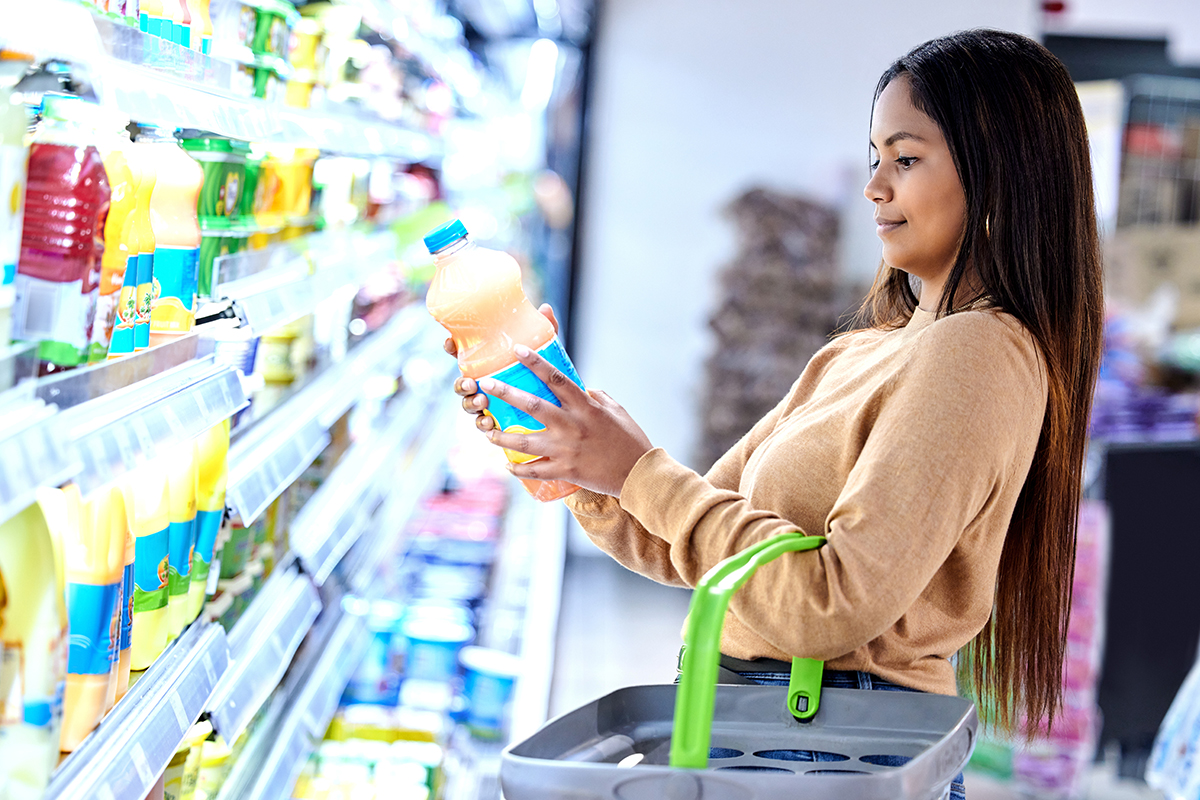
Food Labelling Regulation is pivotal in ensuring consumers are well-informed about their food. It mandates clear, accurate, and comprehensive labelling of food products, covering ingredients, nutritional information, allergen warnings, and expiry dates.
The Importance of Accurate Labels
Food labelling regulation is a critical component of food standards regulations. Accurate labelling helps consumers make informed choices about the food they purchase and consume. By providing transparent and precise information, food producers can ensure compliance with legal requirements and foster consumer trust.
How Do Global Standards Affect Labelling?
Food labelling regulations vary globally, but they share common goals: to inform and protect the consumer. Compliance with these regulations requires manufacturers to stay updated on changes and adapt their labels accordingly. This continuous adaptation meets regulatory demands and addresses consumer health concerns and preferences. Important global labelling standards include the Codex Alimentarius, which the FAO and WHO manage. Additionally, the Global Food Safety Initiative (GFSI) benchmarks various food safety standards, including SQF, BRC, and IFS, that influence labelling requirements to ensure the safety and quality of food products.
Challenges and Solutions
The dynamic nature of food labelling regulations presents challenges, especially for international food businesses. Many companies employ regulatory experts and invest in staff training to overcome this complexity. Technological solutions, such as software that tracks regulatory changes, are also increasingly common.
Key Authorities and Frameworks in Food Safety
The system for food safety and standards depends on certain authorities and frameworks that decide policies and check food quality at every step.
- National food boards set food industry safety standards that guide companies on how food must be prepared, handling methods, and hygiene rules for workers in plants. These rules control both local and imported goods.
- Central monitoring agencies work to ensure food industry standards are applied in all food units. They conduct surprise visits, test samples, and remove items not meeting the law so that unsafe food does not go to customers.
- State-level safety departments give proper training about the requirements of the food safety standards to small and large business owners. They also explain the needed documents, inspections, and timelines for compliance in their areas.
- Special food inspection teams check plants for food safety standards and regulations during production runs. They focus on cleaning systems, waste removal methods, and keeping food from mixing with harmful substances before packing.
Penalties and Legal Consequences of Non-Compliance
Ignoring food industry safety standards can lead to strict legal consequences, including fines, license cancellation, and even criminal charges for repeated violations.
- Monetary fines can be heavy if a company breaks food industry standards by selling unsafe food. The amount depends on how serious the harm is and can impact business stability for a long time.
- Court actions may come when firms fail to meet the requirements of the food safety standards. It could lead to full closure of the plant and a ban on operating in the sector for a certain time.
- Criminal charges might follow when violation of food safety and standards regulations causes illness or injury to people. Owners may face jail terms, besides paying for the damage caused.
- Repeated breach of food safety standards and regulations can bring both fines and prison. The government may also publish the names of such companies that affect reputation and future sales badly.
Safety Standards for Food Safety
Food Industry Safety Standards are critical frameworks designed to uphold the safety and quality of food throughout its production, processing, and distribution phases. These standards encompass practices and procedures to prevent contamination and ensure food is safe for consumption.
Establishing Proper Hygiene Practices
The implementation of proper hygiene measures is important when it comes to food safety and preventing contamination. This entails washing hands regularly, cleaning surfaces, using adequate utensils, and observing personal hygiene by the food handlers. Equal attention must be given to waste disposal, pest control, and management of temperature for storage and cooking. These methods mitigate the chances of food illnesses, maintain the standard of the food, and adhere to food safety requirements. Maintaining hygiene standards helps protect the consumers and food businesses which improves public health and confidence in the food supply chain.
Safe Food Handling Techniques
To avoid foodborne illnesses and any type of contamination, practicing safe food handling techniques is crucial. These techniques include washing one’s hands before and after handling food, separate cutting boards for raw and cooked food items, and ensuring proper internal temperatures of the food being cooked. Other equally important steps include storing perishables at designated safe temperatures, preventing cross-contamination, as well as using clean surfaces and utensils. Expiry dates should be checked regularly while FIFO (first-in, first-out) practices ensure food freshness. These techniques assist in maintaining food safety from the time of preparation until consumption which protects public health.
Maintaining a Clean and Sanitary Environment
Sanitation is one of the most important principles in ensuring food safety and quality. It encompasses cleaning any and all work surfaces, equipment, and utensils used to reduce or eliminate bacterial proliferation and prevention of cross-contamination. Sanitation extends into cleaning of floors and walls as well as the storage space which should be devoid of pests and dirt. Hygiene standards inclusive of proper uniform change and gloving results in further risk minimization. Maintaining cleanliness makes it easier to adhere to food safety and food quality standards and safeguards the well being of the people consuming the food.
Complying Food Safety Standards Across the Supply Chain
Compliance with food industry safety standards requires a concerted effort across the supply chain. It includes adopting good agricultural practices, implementing hazard analysis and critical control points (HACCP) systems, and ensuring hygienic handling in retail environments.
Preventing Cross-Contamination
Avoiding cross-contamination is extremely important when it comes to the safety of the food and the well-being of the consumers. It includes the separation of cooked and raw foods, proper use of washing hands and different boards and utensils between tasks multiple times, and putting meat at the bottom of the refrigerator with the cooked items above. Regular cleaning of surfaces also helps reduce risks. All these actions prevent the spread of dangerous pathogens and bacterial organisms, maintaining the safety and cleanliness of the ingredients.
Ensuring Proper Storage and Temperature Control
It is important to control temperatures and store food products properly to avoid spoilage. Items that are perishable should be stored in the refrigerator at temperatures below 5 degrees Celsius and in the freezer below -18 degrees Celsius. Non-perishable products should be stored in cool, dry areas that are away from sunlight. To manage inventories, labels need to be marked correctly and dates tracked in addition to follow FIFO which stands for First In First Out. Frequent cleaning of storages help in maintaining order and proper sanitization leading to ensuring food safety and compliance with health standards.
Setting the Bar for Safety
Food industry safety standards are designed to ensure food products are safe to eat from farm to fork. These standards cover various processes, including production, processing, distribution, and sale. They are vital in preventing foodborne illnesses and ensuring public health.
How Important Is Compliance Across the Supply Chain?
Compliance with food industry safety standards requires a concerted effort across the supply chain. It includes adopting good agricultural practices, implementing hazard analysis and critical control points (HACCP) systems, and ensuring hygienic handling in retail environments.
The Role of Certification
Certification of food safety and standards plays a crucial role in demonstrating compliance. Certifications such as ISO 22000, SQF, and BRC are not just badges of honour; they signify a company’s commitment to maintaining high safety standards and enhancing consumer confidence.
Read Also – Learn All About Food Safety Management : ISO 22000
Food Packaging Standard
The Food Packaging Standard sets the criteria for materials and processes used in food packaging, ensuring that packaging does not compromise food safety or quality. It focuses on the suitability of packaging materials, preventing contamination, and maintaining the integrity of the food product during storage and transportation.
Protecting Product Integrity
The food packaging standard is integral to maintaining the safety and integrity of food products. Effective packaging protects against contaminants, extends shelf life, and provides essential information to consumers. Materials used in food packaging must comply with food standards regulations to ensure they are safe and do not negatively affect the food product.
What Role Does Innovation Play in Packaging?
In recent years, the focus on sustainability has led to innovations in food packaging. Biodegradable materials and reusable packaging options are becoming more prevalent. However, these innovations must balance environmental benefits with the fundamental requirement of safeguarding food safety and quality.
Regulatory Compliance
Compliance with food packaging standards involves rigorous testing and certification processes. Packaging materials must be effective and safe for direct contact with food, and regulations ensure that substances from packaging do not migrate into food in harmful amounts.
Requirements Of the Food Safety Standards
The requirements of the Food Safety Standards encompass a broad spectrum of regulations and guidelines that food businesses must follow to ensure the safety and quality of their products. These standards are designed to protect consumers by minimising risks associated with foodborne illnesses, contamination, and improper handling.
Ensuring Public Health
The primary goal of food safety and standards is to protect public health by reducing the risk of foodborne diseases. This is achieved through comprehensive regulations covering every food production and distribution aspect.
How Does Continuous Improvement Enhance Safety?
Food industry regulations encourage continuous improvement in safety practices. These regulations ensure that food businesses constantly strive to enhance their safety protocols by mandating regular audits, risk assessments, and corrective actions.
Global Harmonisation
As the food supply becomes increasingly global, there is a growing need to harmonise food safety and standards. It involves creating universally accepted standards and practices that ensure safety and quality, regardless of the food’s origin.
What Are Food Safety Standards?
The safety of food in India is managed by “Food Safety and Standards Authority of India (FSSAI)” which comes under the Ministry of Health and Family Welfare. FSSAI came into being with the Food Safety and Standards Act of 2006. The purpose of FSSAI is to integrate various laws concerning food and ensure that the food products in India are safe as per the standards specified with respect to safety as well as hygiene.
FSSAI has set food safety and food quality standards and rules for the entire food supply chain starting from: production, processing and distribution, sales, and even imports. FSSAI also covers regulative areas like food additives and contaminants, packaging, labeling, shelf-life, and hygiene requirements. FSSAI requires each food business operator (FBO) which ranges from small vendors to large vendors to avail of a license or registration depending on the size of the business.
For the purpose of ensuring food safety, India also follows world recognized frameworks such as Good Manufacturing Practices (GMP), Good Hygienic Practices (GHP), HACCP and others. FSSAI promotes food product testing, third-party audits, and also the initiative ‘Eat Right India’ which helps educate consumers and businesses about food.
By issuing regulations, FSSAI seeks to safeguard the health of consumers, minimize food-related illnesses, and promote honest labeling practices. These measures not only bolster the safety of food products in India but also enable Indian food enterprises to comply with international standards and compete in global markets.
Why Are Food Safety Regulations Important?
Regulations related to food safety are critical to public health because they ensure food remains safe, clean, and free of contaminants. These measures prevent foodborne illnesses, enhance consumer trust, and safeguard quality across the entire supply chain. Administratively, these regulations enable the accountability of food producers and handlers, thereby minimizing the probability of outbreak and product recall events. Proper hygiene, storage, and labeling practices enforced by food safety laws foster a healthier nation while promoting equitable trading standards in the global food market.
Read Also : An Introduction to Food Safety Guidelines
Conclusion
Following food safety and standards is more than a rule in books. It is a serious duty to keep people safe and to protect trust between buyers and sellers. When laws are clear, it becomes easier for makers to prepare, store, and pack food without risk. Training from good institutions helps workers to know the right steps and use them daily. Respecting food safety standards and regulations keeps a business strong in the market, meets the law, and stops unsafe products from reaching homes.
Frequently Asked Question
The HACCP system enhances food safety by identifying, evaluating, and controlling significant hazards. It focuses on preventing problems before they occur, ensuring that food is safe from production to consumption.
The Food Safety and Standards Authority of India (FSSAI) plays a vital role in regulating and supervising food safety across the country. It sets science-based standards, licenses food businesses, conducts inspections, and ensures compliance. FSSAI also promotes consumer awareness, monitors food quality, and enforces laws to protect public health and maintain trust in the food supply chain.
Penalties for non-compliance with food safety regulations in India can include monetary fines, license suspension or cancellation, and even imprisonment in severe cases. Under the Food Safety and Standards Act, 2006, fines may range from ₹1 lakh to ₹10 lakh, depending on the violation. Serious offenses like selling unsafe food can lead to imprisonment of up to six years.
The FDA regulates food safety by setting and enforcing standards for food production, processing, packaging, and labeling in the U.S. It conducts inspections, monitors food imports, and oversees recalls of unsafe products. The FDA also promotes public awareness, approves food additives, and ensures compliance with laws to protect consumers from foodborne illnesses and contamination.
Related Blogs

What Are Nutraceuticals Types, Applications, and Industry Growth in India
Last Updated on August 6, 2026 by Admin Table of...

Natural and Artificial Preservatives in Food: A Complete Guide
Last Updated on August 31, 2026 by Admin Table of...
Different Types of Sugar in Food and Their Effects on Health
Last Updated on August 6, 2026 by Admin Table of...

Food Colours Explained: Types, Uses, Natural vs Artificial & FSSAI Guidelines
Last Updated on July 7, 2026 by Admin Summary Food...

What Is Added Sugar in Food? Types, Examples & Recommended Limits
Last Updated on August 26, 2026 by Admin Summary Added...
What Is Freeze-drying? Process, Benefits, Applications & Food Industry Uses
Last Updated on July 7, 2026 by Admin Summary Freeze-drying...
Functional Meals: Definition, Professionals, and you may Spends
Last Updated on July 6, 2026 by Admin Articles The...
Why Prebiotic Foods Matter for Gut Health and Digestion
Last Updated on August 5, 2026 by Admin Table of...
Ready-to-Eat and Instant Foods Transforming Modern Food Consumption
Last Updated on August 26, 2026 by Admin Table of...
What Are Emulsifiers in Food? Types, Uses & Natural Examples
Last Updated on June 1, 2026 by Admin Table of...