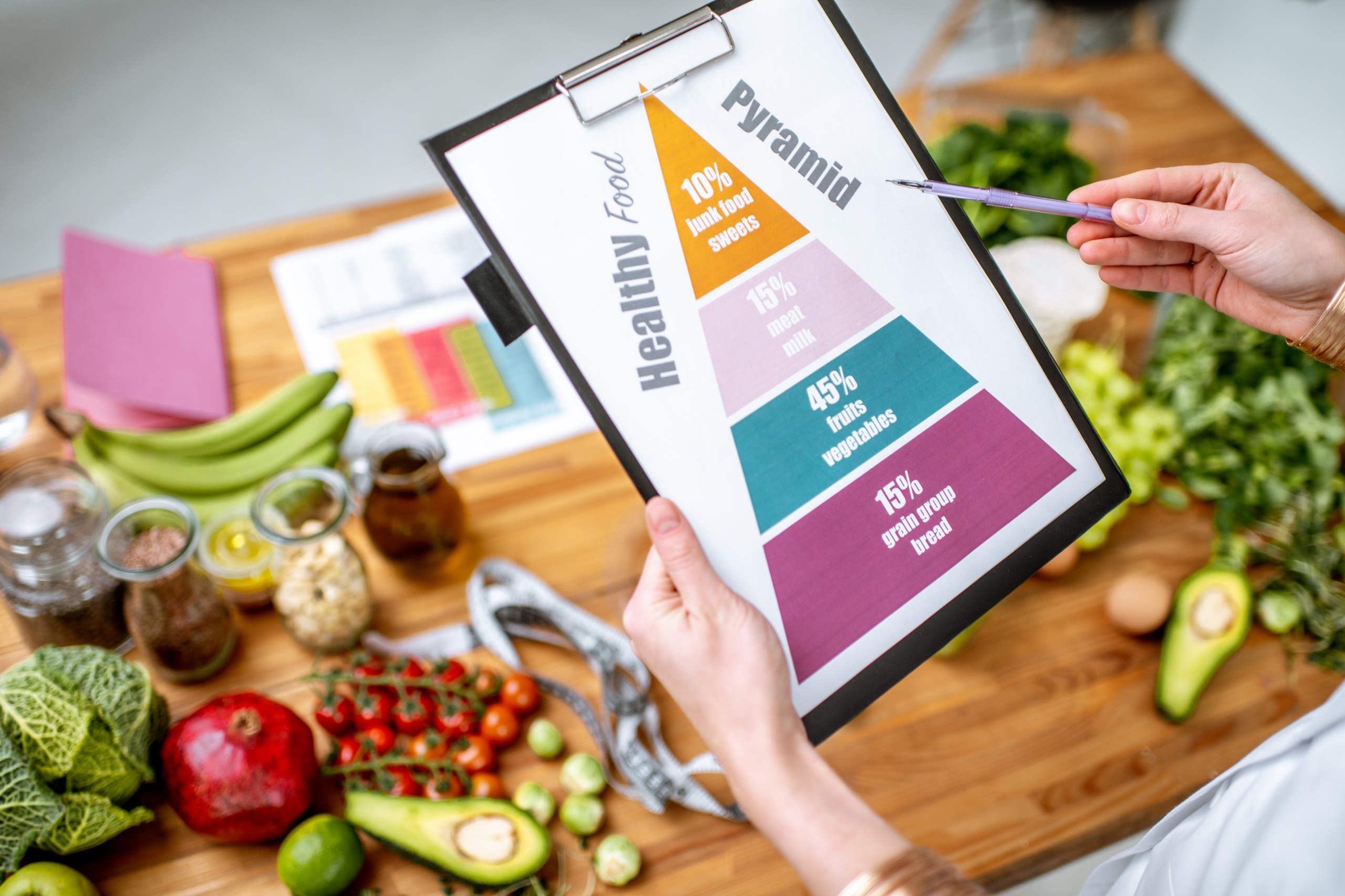


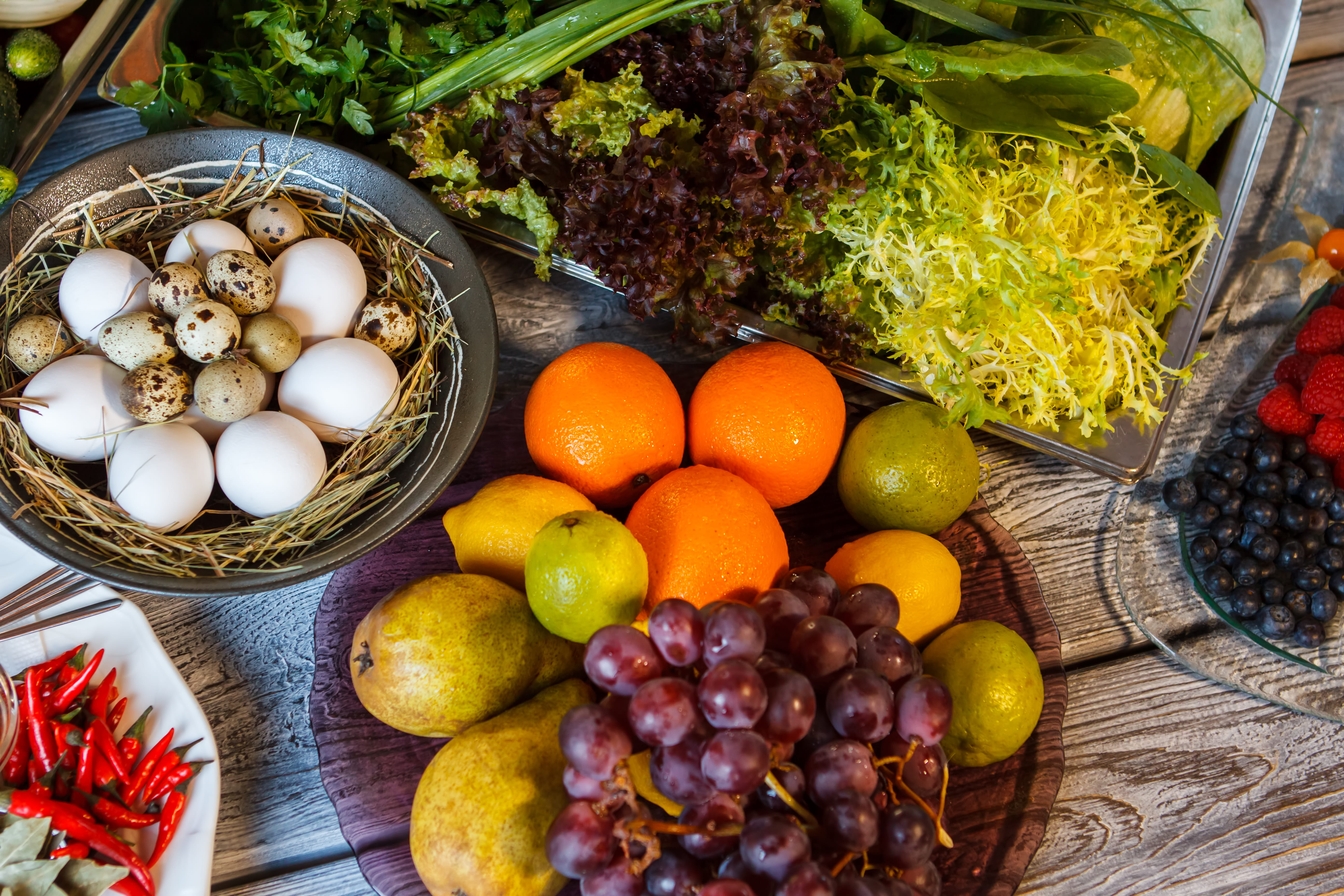
Protective foods are nutrient-rich foods that supply essential vitamins, minerals, antioxidants and other nutrients needed to support immunity, growth, tissue repair and overall health. The blog explains that fruits, green leafy vegetables, milk and dairy products, eggs, pulses, legumes, nuts and seeds can contribute to a balanced diet. It also highlights the importance of safe food storage, handling and cooking to preserve nutritional quality and prevent contamination. Protective foods are particularly important during childhood because they support healthy growth, cognitive development, bones and teeth. Including a variety of protective foods alongside energy-giving and body-building foods can help promote balanced nutrition and general well-being.

Over the years, a wide range of novel and innovative techniques has been incorporated into various food systems and food technology, and almost all food cultures have … […]

Table of Contents What is Food Fraud? What is Food Defence? Food Fraud and Food Defence: The Key Differences Dangers of Food Fraud Why Food Defence is … […]

Table of Contents Food Functions Functional Food Define Functional Foods Functional foods vs. Nutraceuticals Examples of functional foods Functional Foods Overview Functional Foods Benefits Relationship With Food … […]

Table of Contents Fortified Milk Meaning What is Fortified Milk? What are the Different kinds of Fortified Milk? Benefits of Fortified Milk Fortification vs. Biofortification Why Fortified … […]

Salting food preservation is one of the oldest methods of extending food shelf life. The blog explains how salt helps prevent spoilage by drawing moisture from food and microorganisms, reducing water activity and limiting microbial growth. It covers dry salting, brining and combined methods, along with applications for fish, meat, vegetables, dairy products and processed foods. The blog also discusses its benefits, risks, food-safety considerations and modern technological developments.
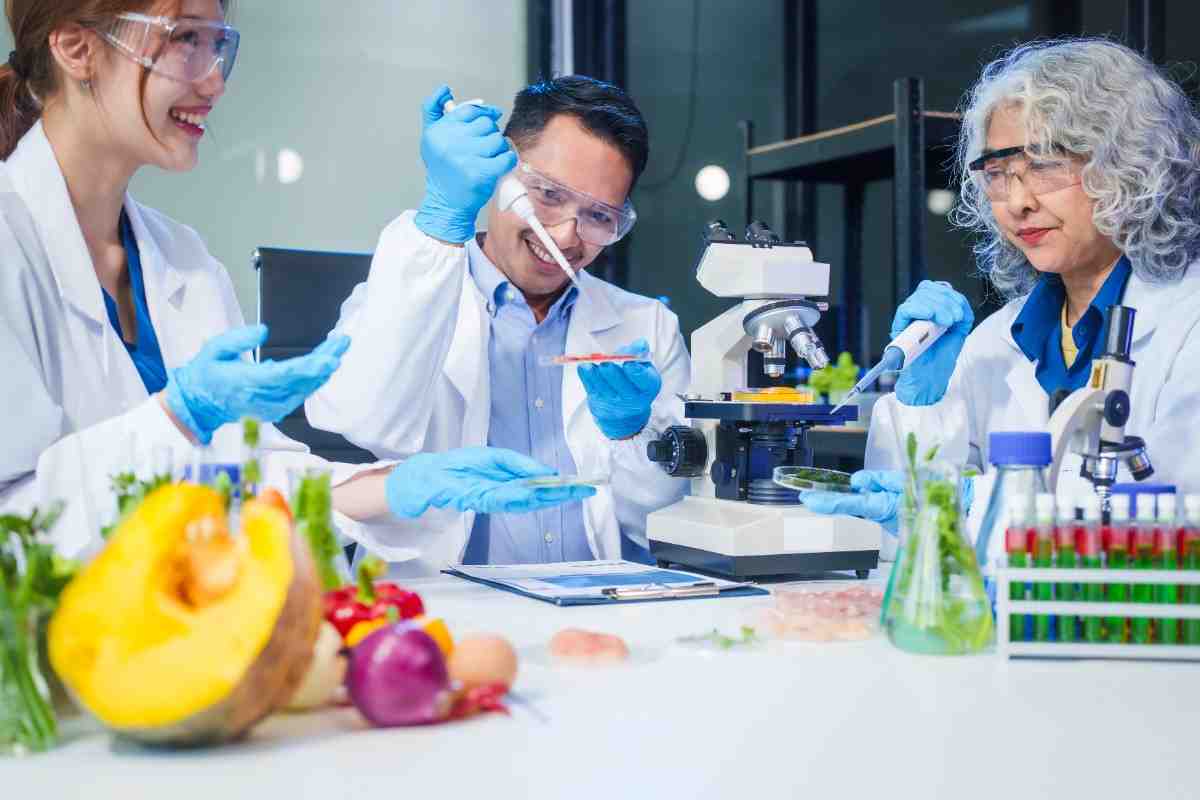
Table of Contents The Food Technology Course: Overview Food Technology Course Information Food Technology Courses Qualification Requirements Different Types Of Food Technology Courses Food Technology Course Costs … […]

Table of Contents Understanding Food Allergens Why Allergen Management in the Food Industry Matters Core Elements of Food Allergen Management Understanding the Value of Food Allergen Awareness … […]
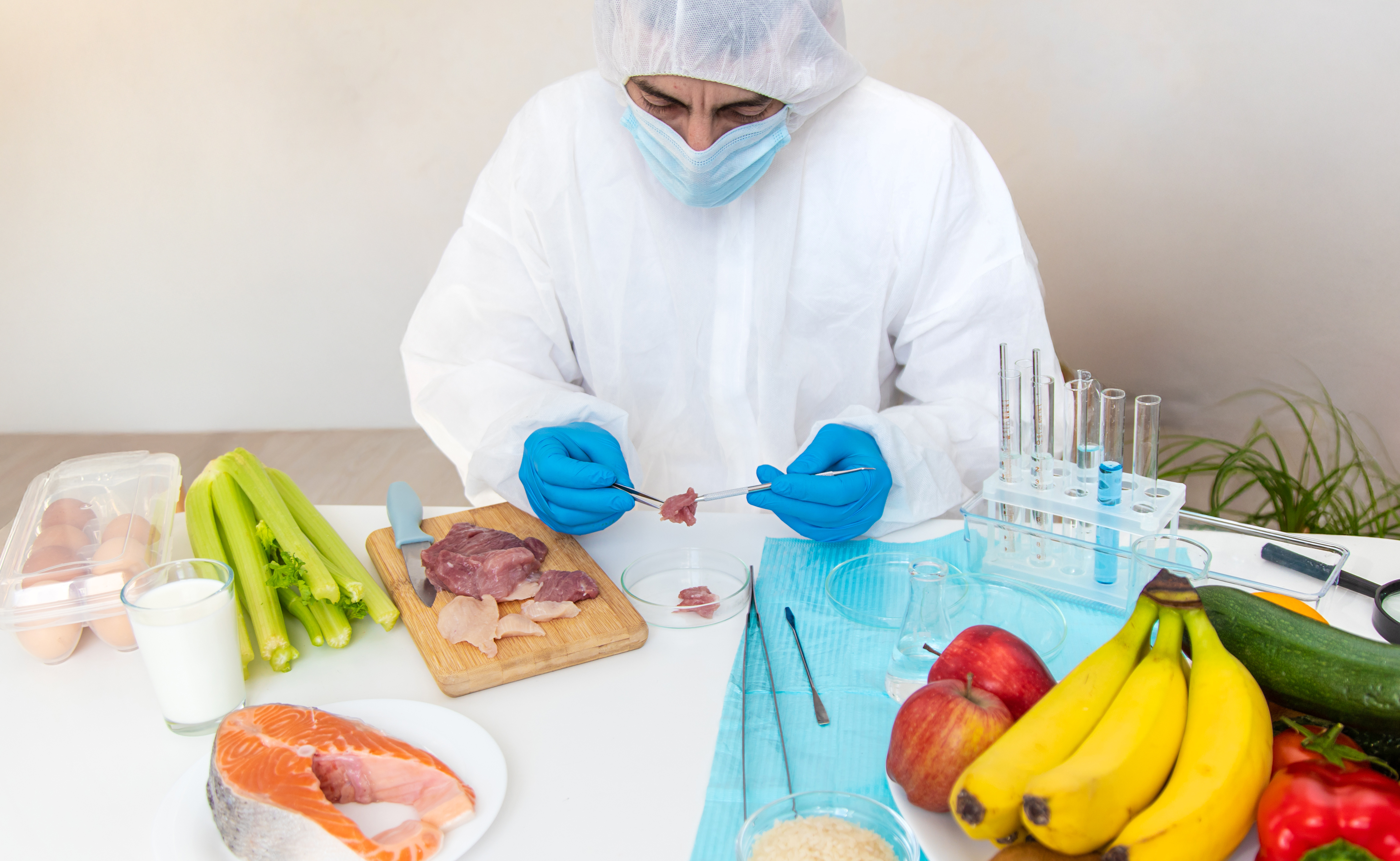
Table of Contents What is a Food Safety Auditor? Why Become a Food Safety Auditor? Required Skills for Food Safety Auditor Educational Qualification Certifications Needed to Become … […]

Table of Contents What Does FSSAI Certification Imply? Importance of FSSAI Certification for Food Business FSSAI Certification Classification How to Obtain an FSSAI Certificate? FSSAI + FICSI … […]