


Last Updated on March 24, 2026 by Admin
Table of Contents
- The Food Technology Course: Overview
- Food Technology Course Information
- Food Technology Courses Qualification Requirements
- Different Types Of Food Technology Courses
- Food Technology Course Costs
- Role of FICSI in Food Technology Education
- Career Options After a Course in Food Technology
- Salary Prospects in Food Technology
- Why Food Technology?
- Food Technology in the Future
- How to Select the Best Food Technology Course
- Conclusion
- FAQs
Global expansion has made the food industry one of the fastest-growing sectors in the world. With the rise of innovations, food safety, and the ever-changing expectations and needs of consumers, industries need skilled professionals. As the demand for processed, packaged, and nutritious food has grown, so have the needs for skilled professionals. And thus, the Food Technology Course becomes a necessity.
Many students and professionals are trying to gain insight into what is a food technology course, its eligibility, career prospects and scope. This field is diverse, ranging from diploma programs to advanced degrees to Online Food Processing & Technology courses. With organisations like FICSI (Food Industry Capacity & Skill Initiative) encouraging the growth of Food Technology as a field of study and a career, it is both practical and promising. This guide examines the Food Technology Course details, prospects, fees, and eligibility so that you can make the best decision.
The Food Technology Course: Overview
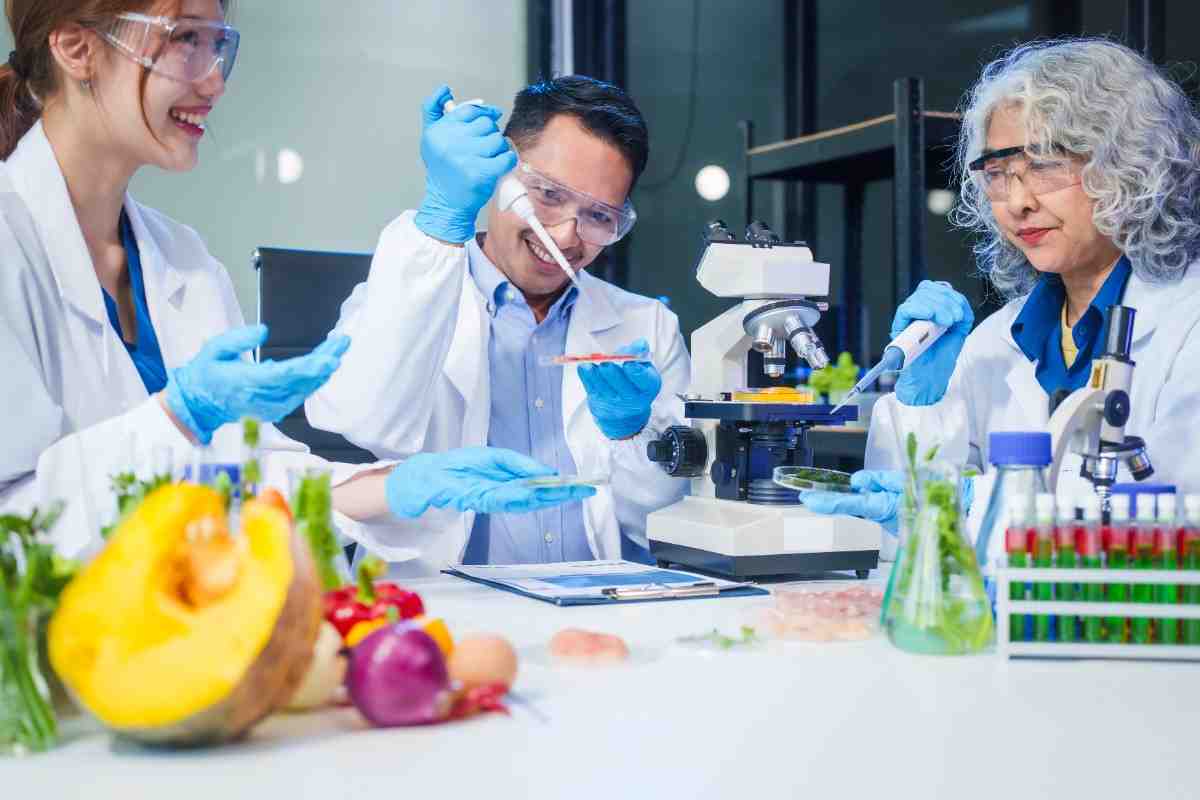
A food technology course is an academic program that specialises in the food industry. This is a program that focuses on food production, food processing, food preservation, food packaging, food quality control and food safety. It is the integration of chemistry, microbiology, engineering, and nutrition. It is designed to create new food products and improve current food production systems. In the food industry, some of the concerns that the Food and Technology course equips students to address include real-world problems in sustainability, the automation of consumer health and food safety, and hygiene.
Food Technology Course Information
Food Technology Course information gives the students an understanding of when it comes to selecting programs.
Main Subjects Offered
- The chemistry and microbiology of food
- Techniques for food preservation and processing
- Food safety and quality assurance
- Dietetics and nutrition
- Technology in packaging
- Food engineering
- Logistics and supply chain
These contribute to building a solid and strong theoretical and practical foundation for food science.
Different Types Of Food Technology Courses
There are several different academic routes to take within this industry.
1) Food Technology Courses After 12th
Students may take Food Technology Courses after 12th in the science streams (PCM/PCB).
Popular Programs
- Food Technology Diploma
- Food Technology B.Sc
- Food Technology B.Tech
- Food Science and Nutrition B.Sc
These courses give students a basic understanding and hands-on food processing training.
2) Undergraduate Degree Programs
- B.Tech Food Technology (4 years)
- B.Sc Food Technology (3 years)
These courses emphasise developing technical abilities, research, and practical implementation in the industry.
3) Postgraduate Programs
- M.Tech in Food Technology
- M.Sc in Food Technology
- MBA in Food and Agribusiness Management
With postgraduate courses, one gets to deepen the area of study and is able to secure managerial positions.
4) Short-term Certificate Courses in Food Technology
Short-term courses in food technology are tailored to working adults and novices who wish to acquire new competencies in a relatively short period of time.
Examples
- Food safety and hygiene
- HACCP and ISO
- Food Quality Management
- Bakery and Confectionery
- Food Entrepreneurship
Such programs are designed to be concise and to the point.
5) Food Processing and Technology Course Overview
The food processing and technology overview courses teach the fundamentals of food production at an industrial level, including automation and preservation.
The course covers a range of important subjects, including:
- Thermal processing
- Refrigeration and cold storage
- Innovations in food packaging
- Food production machinery and equipment
- Product development
This subspecialty is especially relevant to the processing and manufacturing sectors.
6) Food Processing & Technology Courses Offered Online
Due to the advent of digital platforms, Food Processing & Technology courses offered online have become much more accessible.
Advantages
- Learners can study at their own pace
- Bars take on a new value, industry-based
- Fees that won’t break the bank
- Certification awarded by bodies recognised by the industry
FICSI recognises the value of online training aligned with the industry, as it supports the training of skills required by the industry.
Food Technology Courses Qualification Requirements
Before applying, one must value the Food Technology Courses
Required Qualifications
- For Diploma programs: Successful completion of 10th or 12th grade
- For Undergraduate programs: Completion of 12th grade with a concentration in Science (PCM/PCB)
- For Postgraduate programs: A Bachelor’s degree in related areas of study
- For Certificate programs: Open to students and professionals (may differ according to the program)
Some companies have entrance exams for higher-tier programs.
Food Technology Course Costs
The Food technology course costs vary by level, institute and the way of learning.
India’s Fee Structure for Food Technology Courses
| Course Type | Duration | Average Fees |
|---|---|---|
| Diploma in Food Technology | 1–2 years | ₹20,000 – ₹1,00,000 |
| B.Sc in Food Technology | 3 years | ₹50,000 – ₹3,00,000 |
| B.Tech in Food Technology | 4 years | ₹2,00,000 – ₹8,00,000 |
| M.Sc / M.Tech | 2 years | ₹1,00,000 – ₹6,00,000 |
| Certificate Courses | A few weeks–6 months | ₹5,000 – ₹50,000 |
| Online Courses | Flexible | ₹3,000 – ₹40,000 |
Note that fees can vary based on the infrastructure and reputation of the institute.
Role of FICSI in Food Technology Education
FICSI (Food Industry Capacity & Skill Initiative) plays a significant role in skill development within the food sector. It works under the National Skill Development Corporation (NSDC) to bridge the gap between industry requirements and workforce skills.
Key Contributions of FICSI
- Industry-aligned training programs
- Certification and skill assessment
- Collaboration with educational institutions
- Promotion of vocational and technical courses
For students and professionals, FICSI-certified programs enhance employability and industry recognition.
Career Options After a Course in Food Technology
There are a variety of career paths available after completing a food technology course.
1. Food Processing Industry
Some of these options include food manufacturing. Graduates are also able to work in:
- The dairy and beverage industries.
- Bakery and confectionery units.
2. Quality Control and Assurance
Some of the roles include:
- Food quality analyst
- safety officer
- compliance manager
3. Research and Development
Some of the research and development roles include:
- Product innovation
- Nutritional research
- Laboratory testing
4. Government and Regulatory Bodies
You can work in:
- FSSAI
- agriculture
- public health
5. Entrepreneurship
Graduates are able to begin:
- food startups
- catering businesses
- organic product brands
6. Teaching and Academia
Those with advanced degrees may take on careers in educational institutions and/or research.
Salary Prospects in Food Technology
Salaries vary by qualification, experience, and sector.
Average Salary Range
- Entry-level: 2.5 – 5 LPA
- Mid-level: 6 – 12 LPA
- Senior-level: 15 – 30 LPA
Those with specialised skills and/or additional certifications may earn a higher salary.
Why Food Technology?
The food sector is recession-proof and constantly changing. A career in food technology means:
- Rapidly improving domestic and global career opportunities
- A wide range of sectors to pursue
- An impressive level of freedom for innovation and entrepreneurial ventures
- Remarkable career trajectories
As awareness and concern for food safety and known nutritional value grow, food technologists become even more important.
Food Technology in the Future
Food technology is characterised by:
- The automation and artificial intelligence of food processing
- New smart packaging
- Health-oriented food products
- Sustainable food production
- Plant-derived and functional foods
The above characteristics of food technology provide a career to look forward to.
How to Select the Best Food Technology Course
Think about these factors in advance:
- Your own interests and professional goals
- The accreditation and the overall curriculum of the course
- The industry value of the course (example: FICSI-aligned programs)
- The preferred learning medium (online or face-to-face)
- Your financial capacity and the length of the course
These factors help you make the best career decision.
Read Also: How to Become a Food Safety Officer
Conclusion
The food technology course offers a perfect blend of science, innovation, and industry relevance, making it an attractive career option for students and professionals alike. By understanding food technology course details, eligibility, fees, and career opportunities, you can choose a program that aligns with your goals. Whether you opt for degree programs, short-term certificate courses in food technology, or Online Food Processing & Technology courses, this field provides vast opportunities in research, manufacturing, quality control, and entrepreneurship.
With the support of organisations like FICSI, skill development in the food sector is becoming more structured and industry-oriented. As the global demand for safe, nutritious, and sustainable food continues to grow, food technology professionals will remain at the forefront of innovation and growth.
FAQs
certificate programs are open to students from commerce or arts streams. These short-term courses focus
more on practical skills and industry knowledge rather than advanced science concepts.
Related Blogs

What Are Probiotic Foods? Benefits, Examples & Food List
Last Updated on April 7, 2026 by Admin Table of...

Food Irradiation in the Food Industry: Process, Symbol & Examples
Last Updated on April 7, 2026 by Admin Table of...
Top 10 High Fibre Foods: Benefits, Sources & Daily Fibre Intake Guide
Last Updated on April 7, 2026 by Admin Table of...
Food Science and Technology: Concepts, Applications, and Industry Relevance
Last Updated on March 24, 2026 by Admin Scientific breakthroughs,...
What are Protective Foods? Definition, Examples & Protective Food Chart
Last Updated on February 20, 2026 by Admin Good health...

What are Fermented Foods? Types, Benefits & Examples Explained
Last Updated on February 27, 2026 by Admin Over the...

Food Fraud vs Food Defence: What’s the Difference?
Last Updated on March 2, 2026 by Admin Table of...

Functions of Food & Functional Foods: Definition, Examples and Benefits
Last Updated on February 10, 2026 by Admin Table of...