


Last Updated on February 20, 2026 by Admin
Scientific breakthroughs, implemented safety protocols, and technological advancements have all contributed to modern improvements in the food industry. The innovations are primarily attributed to food science and technology, the multidisciplinary field involving the study and integration of biology, chemistry, engineering, and nutrition. Food science and technology innovations are essential in tackling challenges in the quality, safety, and sustainability of food. Innovations in food science and technology play a vital role in feeding the fast-growing global population by improving food quality, safety, and sustainability, whether by improving nutritional value, enhancing taste, or extending shelf life.
The importance of understanding what food science is and how it relates to industrial applications has increased as consumer demands for food become more focused on health, safety, and sustainability. This blog discusses the primary concepts, applications in the industry, new ideas, and jobs in the field.
Define Food Science: Meaning and Scope
To define food science is to study the physical, biological, and chemical make-up of food, and the scientific principles that explain and predict the phenomena and processes involved in food processing, preservation, and safety.
What is Food Science? Food Science focuses on analysing food and how to make it safe and of high quality. Food Science focuses on:
- The makeup and outlined structure of food
- The safety of food: microbiological
- Stability of nutrients within food
- The sensory characteristics of food
- Food shelf-life enhancement
Food Science combines theory and research with food systems in practice.
What is Food Technology?
Food Technology focuses on the practical application of food science. It involves food production, preservation, packaging, and distribution.
Food Technology focuses on:
- The systematisation of food production
- The creation of new food
- The improvement of food packaging
- The preservation of food
- Quality Control
Food Science and Technology work together and form the core of the food processing industry
Principles of Food Science and Technology
- Food Chemistry: Food Chemistry is the study of the composition of food, which includes carbohydrates, proteins, fats, vitamins, and minerals. It studies how the nutrients and the taste of food are affected by processing, heat, and storage.
- Food Microbiology: Food Microbiology is the study of the little organisms in food – bacteria, yeast, fungi, and moulds. Food Microbiology ensures food safety so that food does not become contaminated.
- Food Engineering: Food Engineering is the application of the principles of Engineering to food production technologies like drying, freezing, pasteurisation, and extrusion.
- Food Preservation: Food quality can be maintained, and shelf life can be extended with techniques such as refrigeration, canning, dehydration, fermentation, and modified atmosphere packaging.
- Sensory Science: Sensory analysis includes taste, smell, and feel and measures consumer acceptance.
Applications of Food Science and Technology
The applications of food science and technology cover several areas:
- Product Development: Researchers create fortified foods, plant-based proteins, functional drinks, and ready-to-eat foods.
- Quality Assurance: Testing is done to avoid health risks.
- Food Safety Management: HACCP systems are used to avoid risks during food production.
- Nutritional Enhancement: The public health situation can be improved with fortified food containing vitamins, minerals and even probiotics.
- Sustainable Processing: Innovative approaches are utilised to reduce food waste and save energy and materials.
Role of a Food Technologist
A food technologist is a highly trained professional in food production, quality control, and research. Their role includes:
- Creating new recipes and formulations
- Ensuring compliance with food safety standards
- Conducting laboratory analysis
- Supervision of manufacturing
- Use of innovative techniques in food preservation
Food technologists can be found in food processing companies, research laboratories, regulatory agencies, and educational facilities.
Importance of Food Science and Technology
One of the world’s quickest-growing industries is the food processing industry. Food science and technology guarantee that quality and safety are not sacrificed during mass production.
Importance in the industry includes:
- mass production standardisation
- export market shelf-life optimisation
- ready-to-eat product innovations
- organic and clean label food innovations
- foodborne illness reduction
Food that is ready to eat is increasingly in demand as more people move to cities and their lifestyles become more hectic. The production of food in mass quantities can be done safely and efficiently because of technological advancements.
Food Science and Technology Innovations
New food science and technology innovations illustrate changing consumer demands and better food production practices.
• Innovations in Food Technologies
New food technologies highlight the innovations and practices that meet the changing demands of consumers.
• Smart Packaging
Innovations in food technologies highlight the innovations and practices that meet the changing demands of consumers.
• Smart & Sustainable Packaging
Innovations in food technologies highlight the innovations and practices that meet the changing demands of consumers.
Contribution to Research and Academia
Research and academic institutions are other key players in the development of food science and are notable for their publication of studies in the Journal of Food Science and Technology, which is peer reviewed and covers the latest technologies, innovations in safety for the processing of foods, and nutritional studies.
The scholars’ contributions to food science and food safety include:
- Better practices for preservation
- Understanding food-borne pathogens
- Better practices for preservation
- Understanding food-borne pathogens
- Better processing equipment
Research integrates all the theory with the industry.
Food Safety Regulations and Standards
Regulatory mechanisms are in place to protect the consumer. Food safety indicators determine the
- Additive regulations
- Hygiene regulations
- Labelling regulations
- Storage and transportation regulations
Consumer trust is a direct product of the aforementioned and a means for trade with the world.
Emerging Career Opportunities in Food Science and Technology
Graduates of food science and technology are eligible to become:
- Food technologist
- Quality Assurance Officer
- Research Scientist
- Product Development Manager
- Food Safety Auditor
- Regulatory Affairs Specialist
The food processing industry is growing, and therefore the need for educated personnel is increased.
Food Safety and Public Health
The safety of food is a matter of public concern, and to protect the public from the dangers, Science is paramount to the surveillance of the food system and to the surveillance of the system, for it prevents the system from becoming contaminated and prevents outbreaks of food-borne illness. The food system is monitored to ensure that it does not become contaminated and to prevent outbreaks of food-borne illness. The rational nutritional innovations also help to improve the food system.
Food science and technology also improve consumer welfare by enhancing the value of food in conjunction with research, regulation, and production systems.
Industry Issues
There is much to improve despite the progress.
- Climate change and the availability of raw materials
- Risk of adulteration
- The challenge of maximising longevity and the use of clean label (natural) ingredients
- Complexity and risk management in global supply chains
- Increasing demands for sustainability
Innovation and research are vital to tackle these issues.
Looking Ahead
The horizon of food science and technology is rich with potential in the areas of biotechnology, AI (for quality control), and customised nutrition. Other areas that are changing the game are data analytics, automation, and sustainable production systems.
With a growing population, protecting the environment and enhancing nutrition and food safety will be paramount.
Read Also : Understanding the Dynamics of Food Technology
Synopsis
Food science and technology are the cornerstones of the contemporary food industry. They combine research, industry, and regulation to ensure that food is safe, nutritious, and accessible. The discipline, from what is food science to the latest innovative trends in food science and technology, combines regulatory compliance to ensure consumer safety, Industry to support innovation, and Research to support the evolution to meet environmental challenges, prioritises safety, sustainability, and nutrition, and will continue to respond to the needs of consumers.
The relevance of your chosen field continues to grow, especially with ever-increasing career prospects for budding food technologists, as well as ongoing research contributions. With advancements in technology coupled with emerging exigencies on a global scale, the domain of food science will continue to be of pivotal importance to ensure a safe and sustainable future for all.
Frequently Asked Questions (FAQs)
Q1. Is food science only about cooking and recipes?
No, food science goes far beyond cooking. It studies the chemistry, microbiology, nutrition, and engineering behind food production. It focuses on safety, preservation, quality control, and large-scale processing rather than just culinary preparation.
Q2. What is the difference between a food scientist and a food technologist?
A food scientist mainly researches food composition and safety, while a food technologist applies that knowledge to develop products, improve processing methods, and manage production systems in the industry.
Q3. Can food science help create healthier packaged foods?
Yes, experts in food science and technology develop fortified, low-sugar, low-fat, and functional foods. They use scientific methods to maintain taste and texture while improving nutritional value.
Q4. Are plant-based meats developed using food technology?
Absolutely. Modern plant-based meats are created using advanced food technology techniques like extrusion, protein structuring, and flavour engineering to replicate the texture and taste of traditional meat products.
Q5. Is food science important for sustainability?
Yes, it plays a key role in reducing food waste, improving preservation methods, developing eco-friendly packaging, and enhancing resource efficiency, making the global food system more sustainable and resilient.
Related Blogs
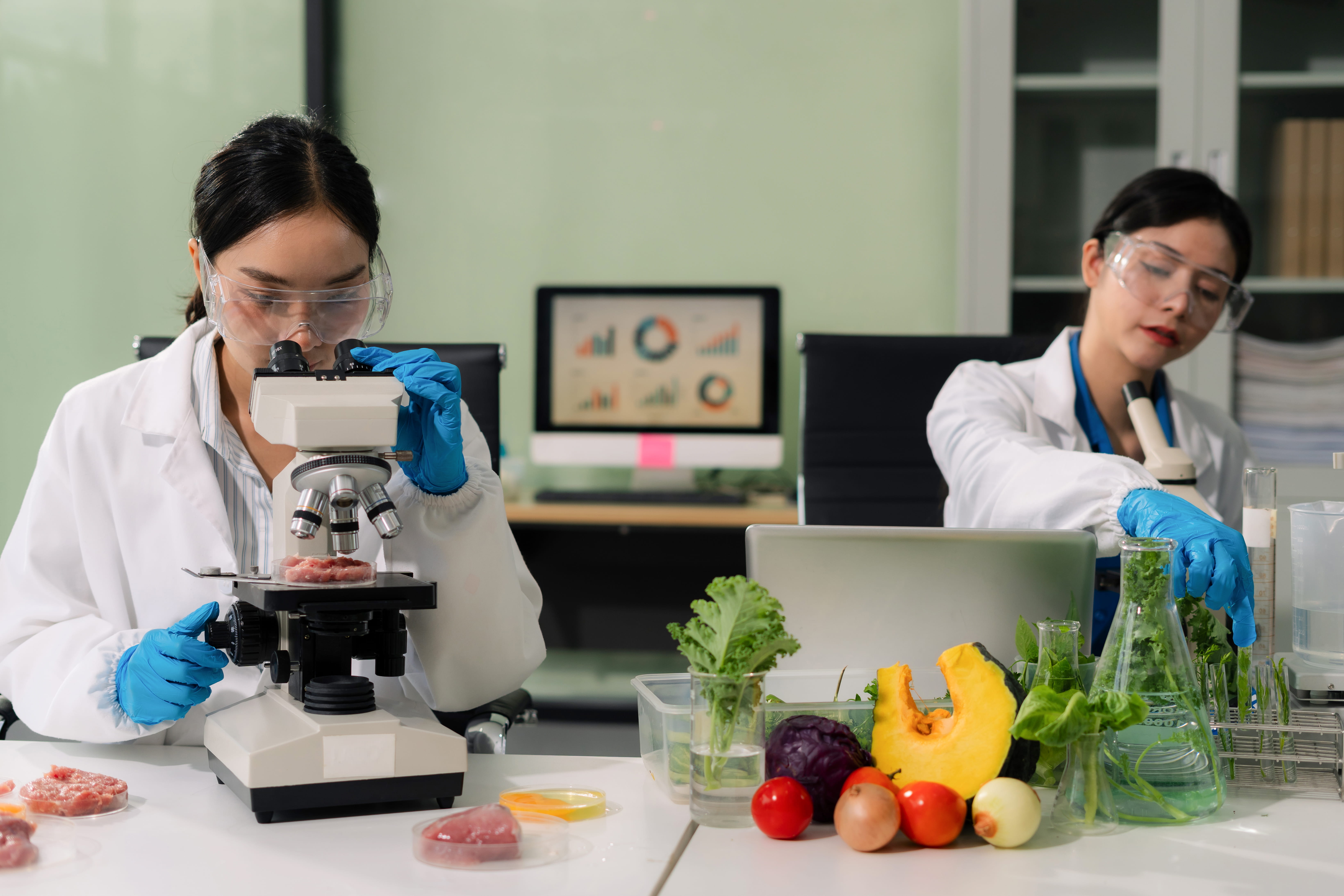
Food Science and Technology: Concepts, Applications, and Industry Relevance
Last Updated on February 20, 2026 by Admin Scientific breakthroughs,...

What are Protective Foods? Definition, Examples & Protective Food Chart
Last Updated on February 20, 2026 by Admin Good health...

What are Fermented Foods? Types, Benefits & Examples Explained
Last Updated on February 20, 2026 by Admin Over the...

Food Fraud vs Food Defence: What’s the Difference?
Last Updated on February 20, 2026 by Admin Table of...

Functions of Food & Functional Foods: Definition, Examples and Benefits
Last Updated on February 10, 2026 by Admin Table of...

What Is Fortified Milk? Meaning, Benefits & Examples
Last Updated on February 20, 2026 by Admin Table of...

Salting Food Preservation: Role of Salt as a Natural Preservative
Last Updated on February 18, 2026 by Admin Table of...
Food Technology Course: Details, Fees & Career Options
Last Updated on February 18, 2026 by Admin Table of...

Allergen Management Guidelines for Food Manufacturers
Last Updated on February 18, 2026 by Admin Table of...