


Last Updated on July 6, 2026 by Admin
Table of Contents
- Overall Summary
- Introduction
- What Are Prebiotics and Probiotics?
- Probiotic Food
- Prebiotic Food
- Pre vs Probiotics
- Benefits of Prebiotics and Probiotics
- Sources of Probiotics
- Sources of Prebiotics
- Prebiotic and Probiotic Food: How They Work Together
- Role in Food Processing and Preservation
- Incorporating Prebiotics and Probiotics into Your Diet
- Addressing Confusion on Prebiotics and Probiotics
- Conclusion
- Frequently Asked Questions
Overall Summary
This blog explains prebiotic vs probiotic, highlighting how both are essential for maintaining a healthy gut. It clarifies the difference between prebiotics and probiotics, where probiotics are beneficial bacteria and prebiotics act as their food. The article covers key benefits, food sources, and how combining them improves digestion, immunity, and overall wellness. It also explores prebiotic vs probiotic food in the context of food processing and preservation, emphasising the importance of proper techniques.
With guidance aligned to FICSI initiatives, the blog encourages incorporating balanced nutrition through natural sources to support long-term health and a sustainable lifestyle.
Introduction
Nutrition has shifted how we design our daily meals to make room for a greater understanding of gut health, prebiotics, and probiotics. Prebiotics and probiotics assist in gut health, but many people do not know how. When you know the differences between prebiotics and probiotics, and how they function, you can make better decisions for your diet and your immunity, digestion, and gut health. In our modern day, (especially in processed food-dominant societies), it is increasingly vital that we get nutrients that are gut-friendly.
In like FICSI (Food Industry Capacity and Skill Initiative) create a greater awareness of the importance of nutrition and food processing, and encourage a healthier community. In this guide, we go over prebiotics and probiotics, the differences, the benefits, food sources, and considerations in food processing and preservation.
What Are Prebiotics and Probiotics?
Prebiotics and probiotics are essential components of gut health that work in harmony to maintain digestive balance. Understanding what probiotic food is and what prebiotic food is helps build a strong nutritional foundation.
Probiotic Food
- Probiotic food is food that has live good bacteria
- Common strains within the Probiotic family are Lactobacillus and Bifidobacterium
- Probiotics help digestion and maintain balance within the gut microbiome
- Probiotics are also known to aid in the absorption of nutrients
- Examples would be fermented food products such as yoghurt and kefir
Prebiotic Food
- What is prebiotic food? Prebiotic foods are foods that contain non-digestible fibres that feed the good bacteria in the gut
- Prebiotic foods help good bacteria grow and also help them function more efficiently
- Prebiotics go to the colon without being digested
- Prebiotic foods feed the good bacteria and help increase their numbers
- Prebiotic foods include a wide variety of foods such as fruits, vegetables, and whole grains
Pre vs Probiotics
Role:
- Prebiotics feed bacteria (good or bad), and
- Probiotics will introduce (good) bacteria
Function:
- Prebiotics will be plant-based fibres and
- Probiotics will be fermented foods
Digestibility:
- Prebiotics will NOT be digested and
- Probiotics are live organisms
Benefits of Prebiotics and Probiotics
Most prebiotics and probiotics will help with digestion and also have various other health benefits. Knowing the benefits of both helps you understand why it is important to include both prebiotics and probiotics in your daily diet.
Probiotic Benefits
Improved digestion and less bloating:
Probiotics assist in the efficient digestion of food; their usage leads to the absence of leftover undigested food in the intestinal tract. Improved and more frequent movement of the bowel leads to even less discomfort, especially in patients with digestive disorders.
Enhanced immune function:
Probiotics assist with the maintenance and improvement of the body’s defences against invasions by illnesses. The gut is the body system associated with a major portion of the immune system, which is to be expected to be the case, and the beneficial bacteria of the gut serve to improve and fortify this defensive system. Improved immunity is to be anticipated with the aid of the beneficial gut bacteria in the production and secretion of antibodies and other immune system cellular constituents.
Gut disorders such as IBS can be managed:
Probiotics help in the bowel movement regulation, help in the reduction of inflammation and even restore the microbial (bacterial) balance of the bowels, i.e. intestines. With the aid of Probiotics, constipation, diarrhoea, and abdominal pain can be alleviated. In the absence of these symptoms, life becomes more palatable for individuals with chronic digestive problems.
Support mental health via the gut-brain axis:
Through the gut-brain axis, the gut is connected to the brain. Proper probiotics usage can improve this connection. Improving the gut microbiome will increase gut neurotransmitter production, which in turn will improve and stabilise gut health. Improved mental health can be anticipated with improved gut health via probiotics.
Increase absorption of nutrients:
Probiotics improve nutrient absorption and help in the digestion of vitamins and minerals. This is important for nutrients such as calcium, magnesium, and the B vitamins. This helps improve overall nutrition and cellular functions.
Prebiotic Benefits
Growth of beneficial bacteria is stimulated:
Prebiotics can enhance the growth of advantageous bacteria. Through targeted stimulation of beneficial strains of Bifidobacteria and Lactobacilli, they bioengineer the microbiome. This bioengineered microbiome creates a holistic gut system where pathogenic bacteria are controlled, leading to enhanced digestion and gut health.
More absorption of minerals:
Prebiotics enhance the body’s ability to absorb essential minerals such as calcium, magnesium, and iron. They enhance the environment of the gut by creating more acidity in the colon, which leads to dissolution of the minerals and increased absorption rate. This supports the structure and function of the body as well as the overall health.
Weight management is supported:
Prebiotics are helpful to weight management by creating a sense of satiety, which results in lower caloric consumption. They alter the biochemistry of metabolism by the secretion of satiety hormones. They also slow the rate of digestion. This also aids in appetite regulation. In addition to appetite control, a microbiome that is healthy microbiome due to prebiotics supports a better metabolism, which also assists in weight management.
The gut lining integrity is maintained:
Through the enhancement of the production of short-chain fatty acids like butyrate, prebiotics help to strengthen the lining of the intestines. These short-chain fatty acids are also nutritive to gut cells and help to maintain the integrity of the lining that keeps out all the unwanted material from leaking into the blood. This is important as it keeps digestion and overall immunity intact.
Inflammation is reduced:
In the gut, prebiotics serve to lower inflammation by fostering the growth of good bacteria that create anti-inflammatory substances. Those substances control how the immune system reacts and the level of inflammation in the gut lining. This can lower the risk of developing conditions associated with chronic inflammation and help maintain the gut and the overall health of the body.
Combined Benefits
- A balanced gut microbiome is promoted
- Improved immunity
- Chronic diseases are less likely
- Metabolic health is supported
Sources of Probiotics
Fermented foods and live cultures are high in probiotics and are great for gut health. Knowing what foods have probiotics helps to include them in meals.
Probiotic Food Sources
Probiotic foods include:
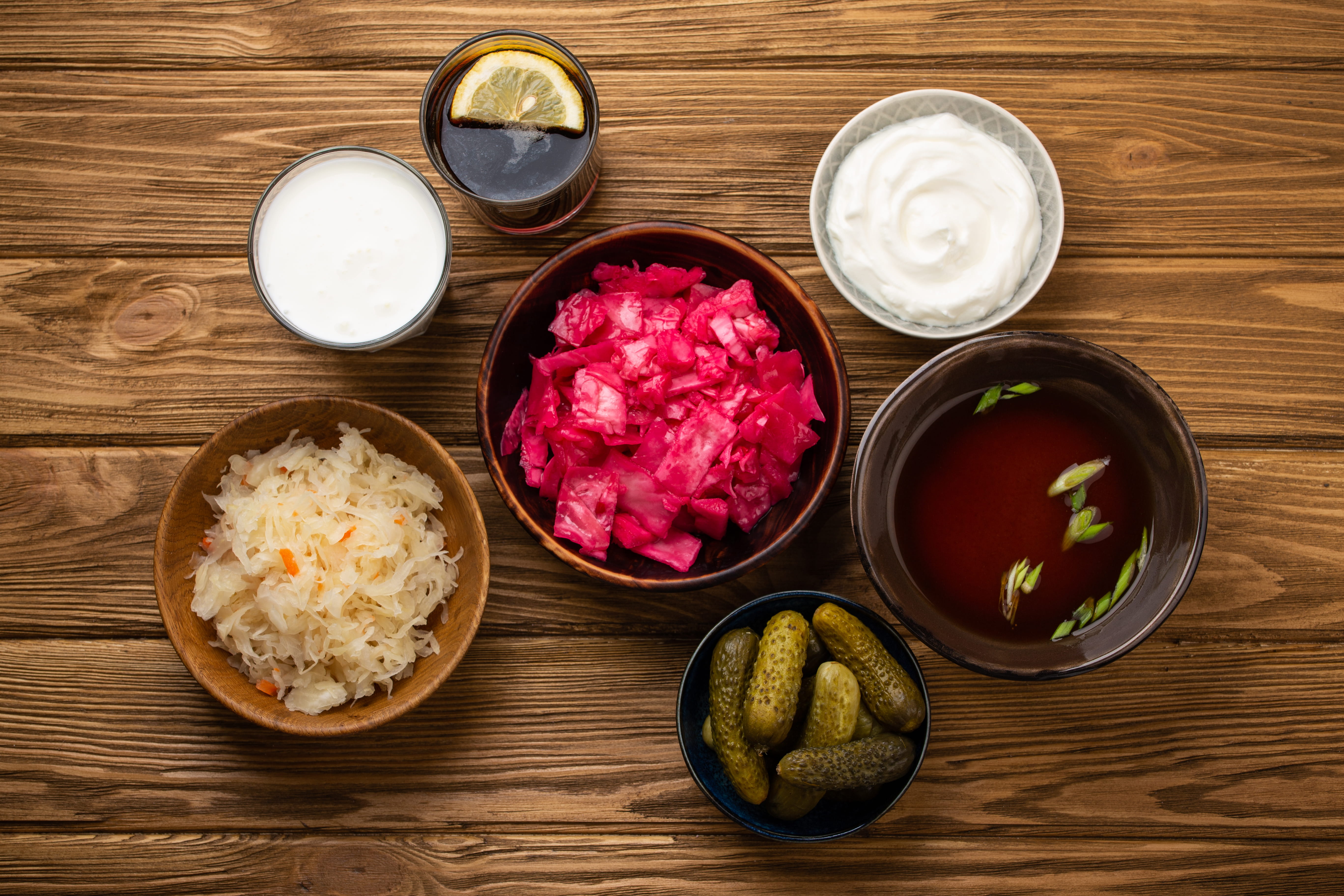
- Soured Yoghurt
- Kefir
- Sauerkraut
- Kimchi
- Kombucha
Indian foods like curd and buttermilk also have probiotics.
Probiotic Food Types
Probiotic foods are grouped into:
- Dairy-based
- Fermented plant-based foods
- Fermented drinks
- Supplements (only if needed)
Sources of Prebiotics
Prebiotics are fibre-rich foods and have bacteria of their own. Knowing what foods have prebiotics helps to have a proper, balanced diet.
What Foods Have Prebiotics?
Foods that have prebiotics include:
- Garlic
- Onions
- Bananas
- Asparagus
- Whole grains
- Chicory root (also supplies a highly concentrated source)
Prebiotic Foods
Other prebiotic foods can include:
- Fibre-rich fruits
- Vegetables with resistant starch
- Legumes
- Whole grains
Prebiotic and Probiotic Food: How They Work Together
Prebiotic foods work in a synergistic way with probiotic foods, where one enhances the effectiveness of the other, and the opposite is true. The combination of both foods will result in a positive impact on one’s gut health.
Synergistic Relationship
- Prebiotics facilitate the survival of the probiotics.
- Together, they are distinguished as synbiotics
- Improve the diversity of the gut microbiome.
- Enhance digestive efficiency.
Synbiotic Foods (Examples)
- Yoghurt with banana
- Whole grains with fermented foods
- Traditionally balanced meals
Role in Food Processing and Preservation
Food processing and preservation have a significant effect on the quality, safety, and efficacy of prebiotics and probiotics.
Preservation Through Fermentation
- Ancient method of preserving food.
- Improved flavour and stored longer
- Creates good bacteria
- More nutritious
Influence of Storage on Live Probiotics
- Probiotics will die with heat
- Live cultures kept in cold storage
- Storage affects lifespan
Prebiotics in Processed Foods
- Contained in functional foods
- Added fibre
- Good for digestion
FICSI Perspective
- FICSI advocates for food processing skills
- Promotes safe and clean methods
- Facilitates functional food development
- Connects the food industry and nutrition
Incorporating Prebiotics and Probiotics into Your Diet
For optimal gut health, prebiotics and probiotics should be included in your meals as much as possible. With some food choices, this can become a reality.
Suggested Diet Changes
- Add a variety of fermented foods
- Add fibre, fruits, and veggies
- Processed foods less
- Drink plenty of water
Thoughtful Pre and Probiotic Pairing
- Combine probiotics with prebiotics
- Focus on whole and natural foods
- Dietary variety
Addressing Confusion on Prebiotics and Probiotics
There are many misunderstandings about prebiotics and probiotics. Knowing these will help guide dietary decisions.
Myth vs Reality
• Myth: Only probiotics are important
Reality: Prebiotics are equally important
• Myth: All bacteria are harmful
Reality: Many bacteria are good
• Myth: Supplements are always necessary
Reality: Supplements aren’t always necessary because natural foods can be enough
Conclusion
To wrap everything up, the prebiotic vs probiotic debate aids in deciding what foods are best for healthy digestion, and the difference between prebiotic and probiotic is one introduces gut bacteria while the other nourishes them, which is essential for good digestion and overall health. Adding the right prebiotic vs probiotic food to your diet can vastly improve your health.
With an emphasis on nutrition and food safety, we have shown the importance of good eating and food processing to the public. Eating a variety of these foods greatly improves your health by providing everything your body needs, and with the emphasis on better nutrition, it can be sustainable for years to come.
Frequently Asked Questions
Related Blogs
What Is Condensed Milk? Ingredients, Types, Uses & Benefits
Last Updated on September 28, 2026 by Admin Table of...
What Is Maltodextrin? Uses, Benefits, Side Effects & More
Last Updated on September 25, 2026 by Admin Table of...

What Is Food Chemistry? Meaning, Principles, Basics & Importance
Last Updated on September 25, 2026 by Admin Table of...
What Are Nutraceuticals Types, Applications, and Industry Growth in India
Last Updated on September 21, 2026 by Admin Table of...
Natural and Artificial Preservatives in Food: A Complete Guide
Last Updated on August 31, 2026 by Admin Table of...
Different Types of Sugar in Food and Their Effects on Health
Last Updated on August 6, 2026 by Admin Table of...

Food Colours Explained: Types, Uses, Natural vs Artificial & FSSAI Guidelines
Last Updated on July 7, 2026 by Admin Summary Food...