


Last Updated on February 27, 2026 by Admin
Table of Contents
- Why should you invest in the Food Processing Sector?
- Step 1: Identify the Most Appropriate Food Processing Business Idea
- Step 2: Market Research
- Step 3: Draft a Comprehensive Business Plan
- Step 4: Understand the Required Legal Registration
- Step 5: Choose the Place and Infrastructure
- Step 6: Invest in Good Food Processing Technology
- Step 7: Source Quality Raw Materials
- Step 8: Focus on Food Packaging and Processing
- Step 9: Hire Skilled Manpower
- Step 10: Implement Quality Control & Safety Standards
- Step 11: Branding, Marketing & Distribution
- Step 12: Obtaining Funding and Government Support
- Common Challenges and Solutions
- Future Prospects of Food Processing in India
- Conclusion
- FAQs
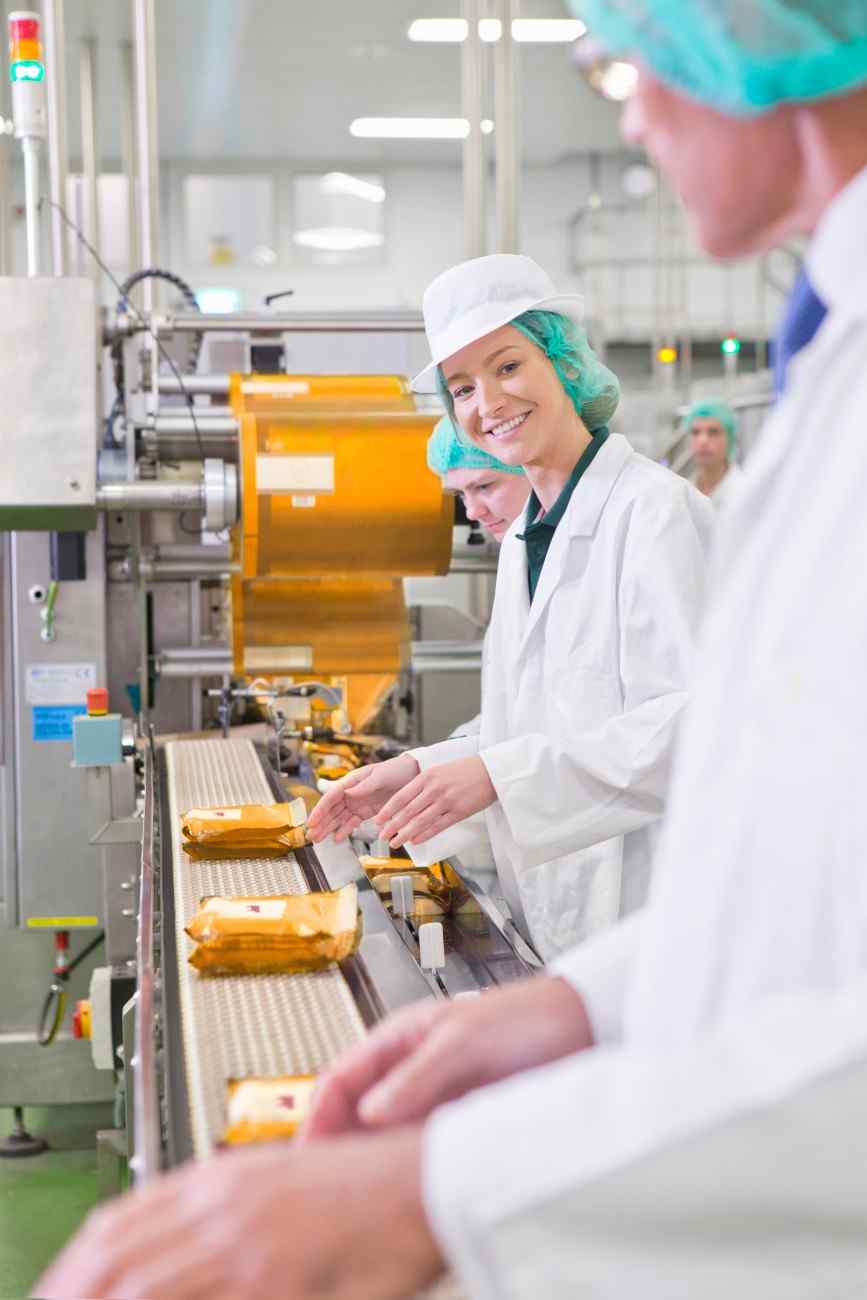
When it comes to the food processing industry, the speed at which it is growing is extraordinary, particularly in the case of India. Due to the increase in demand for healthy packaged food that is easy to consume, it is a very good decision to begin this food processing unit and is an excellent area for an entrepreneur to become involved in, and with the assistance of the government and the growing food processing technology and the expanding customer base, it can create a long-term, highly profitable opportunity.
This, step by step guide, covers all the aspects of commencing a food processing business, including the initial idea, so to the time the business is ready to enter the market.
Why should you invest in the Food Processing Sector?
As India is one of the largest producers of agricultural raw materials in the world, the food process industry in India is as a consequence, very sustainable, as well as scalable. By adding value through processing, it reduces the amount of food loss, as well as increases the shelf life of the food and the reach to which it can be sold.
Key strengths include:
- High demand in domestic markets and for exports
- Extensive range of food processing business ideas available
- Favorable government assistance
- Increasing popularity of branded and sealed food items
Step 1: Identify the Most Appropriate Food Processing Business Idea
Choosing the ideal product serves as the base for a successful business. There are numerous food sector business ideas according to market needs, investment capacity and available tools and resources.
Some food processing opportunities in India are listed below:
- Processing of fruits and vegetables (juices, pickles, frozen food)
- Dairy (cheese, paneer, flavored milks)
- Processing of grains (flour, instant cereals)
- Processing of meat and fish
- Snacks and bakery products
Select items that have invariable demands, sourced easily and are scalable.
Step 2: Market Research
Before you invest your money, evaluate:
- What your target market prefers
- What your rivals price and pack at
- Current regional demand
- Market access (supply chain)
Market research is your primary tool for and business in food processing and useful for avoiding failure.
Step 3: Draft a Comprehensive Business Plan
When learning how to start a food business you will require and a well laid out business plan. This will also help you to acquire funds.
Things to include in the plan:
- Description of the product
- How much can be produced
- Cost of investment and operations
- What technology and machinery are needed
- How much revenue will be made
- How will the product be sold
If the plan is clear and easy to understand, the company’s operations will run more smoothly and the investors will be more confident in the company’s success.
Step 4: Understand the Required Legal Registration
In the food processing industry, compliance is the most important thing.
There are some important registrations, they include:
- FSSAI License
- GST Registration
- MSME/Udyam Registration
- Factory License
- Pollution Control Clearance (if needed)
Following the regulations will help build trust with consumers and prevent legal issues from arising.
Read Also : Important Food Qualifications and Certifications for the Food Industry
Step 5: Choose the Place and Infrastructure
The place will determine the logistics, cost, and availability of raw materials.
Best Factors:
- Close to raw materials
- Availability of water and electricity
- Good transportation
- Enough room for storing, food packaging and processing
There are additional benefits of food parks and industrial zones.
Step 6: Invest in Good Food Processing Technology
The right food processing technology will make the work more productive, sanitary, and employee consistent.
Some essential equipment includes:
- Machines for washing and sorting
- Units for cutting and blending
- Cooking and dehydrating equipment
- Packaging Equipment
- Cold retention for storage
Quality compliance is ensured and wastage is reduced with automation.
Step 7: Source Quality Raw Materials
Consistent production requires reliable sourcing.
Suggestions:
- Farm or supplier relationships can help.
- Quality specifications for raw materials should be clear.
- Proper storage should be maintained to keep materials from spoiling.
The raw materials you use will affect your brand reputation.
Step 8: Focus on Food Packaging and Processing
Good packaging contributes and improves shelf life and branding, and appeals to consumers.
Important notes:
- Packaging should be food-grade and eco-friendly.
- Packaging should be sealed and labeled properly.
- Nutritional information and other certifications should be displayed.
Food packaging and processing improves market and productivity.
Step 9: Hire Skilled Manpower
Even if there is sophisticated machinery, the workforce should be trained as well.
Needed for:
- Food technology field
- Operators of machinery
- Quality control
- Staff for the packaging and logistics
With skilled manpower, safety and hygiene of food standards are maintained.
Step 10: Implement Quality Control & Safety Standards
Quality assurance standards in the food processing business are mandatory.
Consider:
- HACCP guidelines
- ISO food safety standards
- Regular sanitation of equipment
- Document and test remaining batches
With consistent quality changes, you will build brand loyalty.
Step 11: Branding, Marketing & Distribution
Good branding of your product can make it stand out in a busy market.
Potential distribution channels can encompass many things including:
- Retailers and supermarket chains
- E-commerce chains
- E-commerce
- Hotel and Restaurant
Advertising via digital channels allows for maximum visibility for your food industry business idea.
Step 12: Obtaining Funding and Government Support
A food processing business is often quite the investment, original and ongoing. But that is not a unique problem to have.
Support can take the form of:
- Principal and interest loans, and or MSME
- Government assistance via PMFME.
- Personal stakeholders or Private Equity funds.
Your country advocates and sponsors the developing ideas within food process industry in India.
Common Challenges and Solutions
The most common challenges include:
- Unpredictability of the cost for raw input
- Legal
- Inefficient logistics
The easiest ways to resolve these challenges include:
- Creating a contract for supply, for the long term.
- Keeping projections and plans in good order.
- Optimum use of a digital system for inventory.
Future Prospects of Food Processing in India
As the population becomes more and more urban and lifestyle changes continue to evolve, the need for convenience foods will increase. There is a need to think outside the box when it comes to food processing ideas in India so that convenience foods can marketed on the basis of good health.
Receiving benefits from long term growth will thrive in food processing.
Also Read: Importance of Food Preservation: Ensuring Nutrition and Sustainability
Conclusion
With thoughtful preparation, the right systems and tools, and the right laws, getting into a food processing business is a gainful endeavor. The process is definitely worth it because of the food processing industry potential, due to the massive consumer market and the growing agricultural sector in India.
Strategizing, and incorporating the use of modern food processing technology into the business, will build a sustainable, scalable venture in the sector.
FAQs
Starting a food processing business requires FSSAI registration or license, GST registration, trade license, and compliance with local municipal norms. Depending on scale, you may also need pollution control clearance, factory license, and fire safety approval to operate legally and ensure food safety standards.
For small-scale units, semi-automated food processing technology is ideal as it balances cost and efficiency. Equipment like basic dryers, grinders, sealing machines, and cold storage systems help maintain quality without heavy investment, making operations scalable as demand grows.
Food packaging plays a crucial role in preserving freshness, extending shelf life, and preventing contamination. Good packaging also improves product appeal, supports branding, and ensures compliance with food safety regulations, making it a vital component of a successful food processing business.
New food processing units often face challenges such as regulatory compliance, maintaining consistent quality, managing raw material supply, and controlling production costs. Market competition and distribution logistics can also be hurdles, making planning, training, and technology selection critical for long-term success.
The Indian government offers subsidies, loans, and infrastructure support through schemes like PMFME and Mega Food Parks. These initiatives help reduce setup costs, improve access to modern food processing technology, and encourage entrepreneurs to grow sustainable businesses in the food processing industry.
Related Blogs
What Is Condensed Milk? Ingredients, Types, Uses & Benefits
Last Updated on September 28, 2026 by Admin Table of...

What Is Maltodextrin? Uses, Benefits, Side Effects & More
Last Updated on September 25, 2026 by Admin Table of...

What Is Food Chemistry? Meaning, Principles, Basics & Importance
Last Updated on September 25, 2026 by Admin Table of...

What Are Nutraceuticals Types, Applications, and Industry Growth in India
Last Updated on September 21, 2026 by Admin Table of...
Natural and Artificial Preservatives in Food: A Complete Guide
Last Updated on August 31, 2026 by Admin Table of...

Different Types of Sugar in Food and Their Effects on Health
Last Updated on August 6, 2026 by Admin Table of...

Food Colours Explained: Types, Uses, Natural vs Artificial & FSSAI Guidelines
Last Updated on July 7, 2026 by Admin Summary Food...